Una campagna di Gargoyle Films
ContattiRecupera la tua password
Inserisci il tuo indirizzo email: ti invieremo una nuova password, che potrai cambiare dopo il primo accesso.
Password inviata
Controlla la tua casella email: ti abbiamo inviato un messaggio con la tua nuova password.
Potrai modificarla una volta effettuato il login.

Convivente con vincolo di adozione
- Raccolti € 3.035,00
- Sostenitori 66
- Scadenza Terminato
- Modalità Raccogli tutto Informazioni
Raccogli tutto
Il tuo contributo servirà a sostenere un progetto ambizioso. Scegli la ricompensa o la somma con cui vuoi sostenerlo e seleziona il metodo di pagamento che preferisci tra quelli disponibili. Ti ricordiamo che il progettista è il responsabile della campagna e dell'adempimento delle promesse fatte ai sostenitori; sarà sua premura informarti circa come verranno gestiti i fondi raccolti, anche se l'obiettivo non sarà stato completamente raggiunto. Le ricompense promesse sono comunque garantite dall’autore.
- Categoria Film & corti
Il Progetto
*ENGLISH VERSION BELOW
LA TRAMA DEL FILM
La piccola Amelia ha due mamme, Anna e Cécile, insieme da 15 anni. Per lo Stato italiano, però, solo Cécile, il genitore “biologico”, ovvero colei che l’ha partorita, è sua madre. Anna invece, che l’ha desiderata, attesa e cresciuta insieme a Cécile, non è nessuno per lei.
Anna e Cécile, come molti altri genitori omosessuali in Italia, dovranno passare attraverso invasivi colloqui con uno psicologo e un’assistente sociale, visite e controlli a casa, anni di attesa per la sentenza, tanti soldi spesi, avvocati e giudici.
Questa è la loro storia attraverso alcune delle tappe della causa presso il Tribunale dei Minorenni per vedere riconosciuto quello che dovrebbe essere un Diritto alla nascita della bimba: avere due mamme anche per Legge, come lo è nella realtà. Ma chi è omosessuale in Italia deve ancora “dimostrare” di poter essere quello che già è: semplicemente, un genitore.
CHI SIAMO
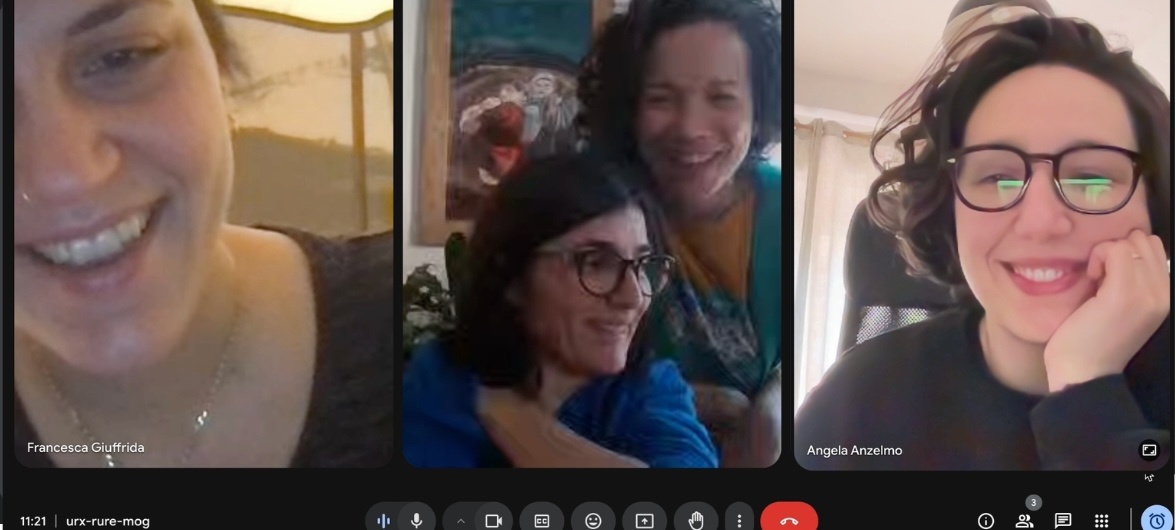
Siamo una troupe composta da professionisti del cinema che hanno deciso di mettersi insieme per un progetto che ha sia un valore artistico che un valore sociale e politico, per via dei temi che affronta. L’idea è nata dalla regista e autrice del film, Francesca Giuffrida, ma ha presto coinvolto le protagoniste del film, Rita Abela e Giorgia Spinelli, e la coraggiosa produzione GARGOYLE FILMS, con l'apporto della produzione associata INTERMEZZO FILM e del produttore associato Odoardo Maggioni. Coraggiosa perché fare un cortometraggio oggi in Italia vuol dire tanto lavoro e niente guadagno e dunque, quello che muove tutti noi è una grande passione e voglia di raccontare questa storia.
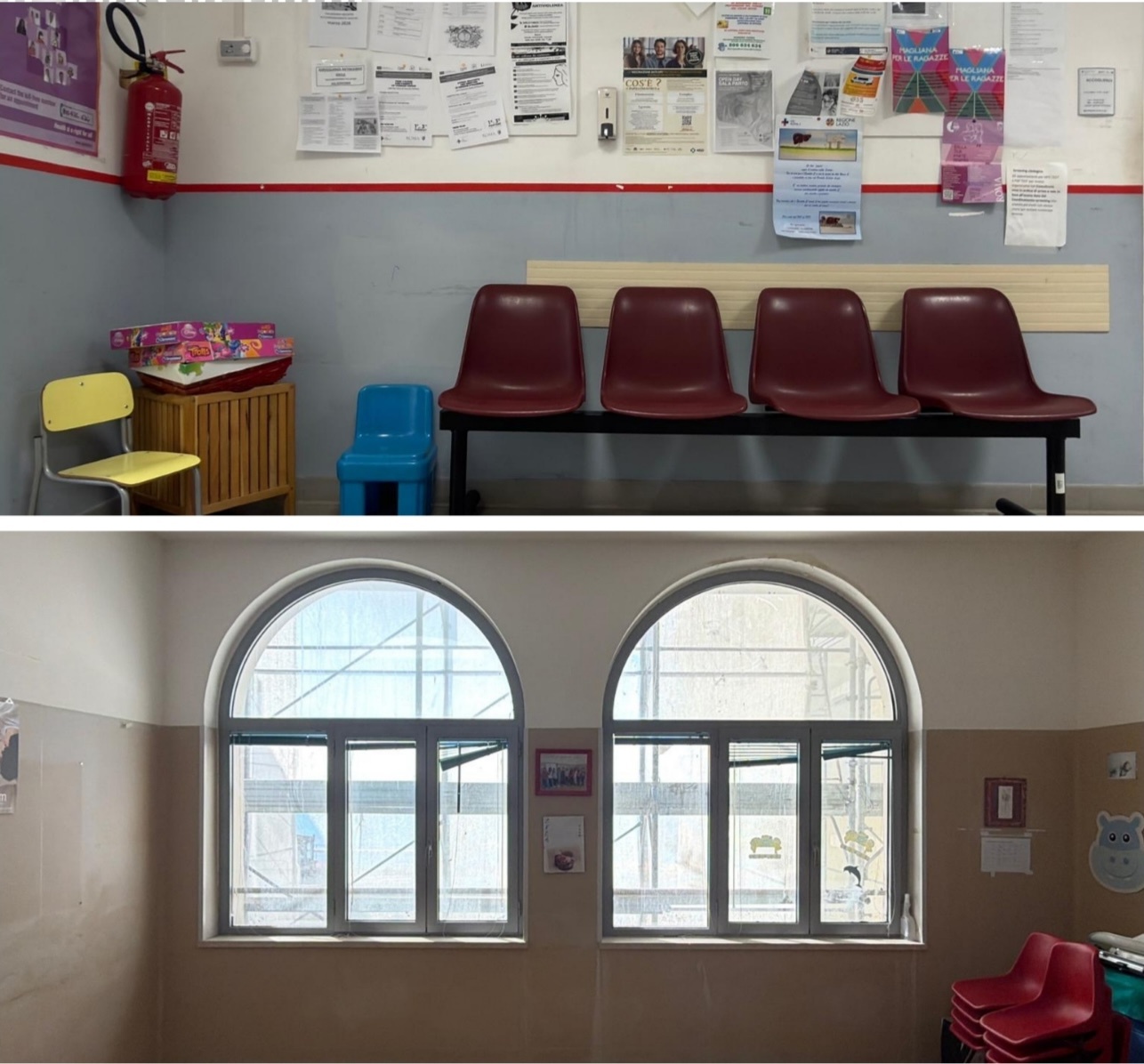
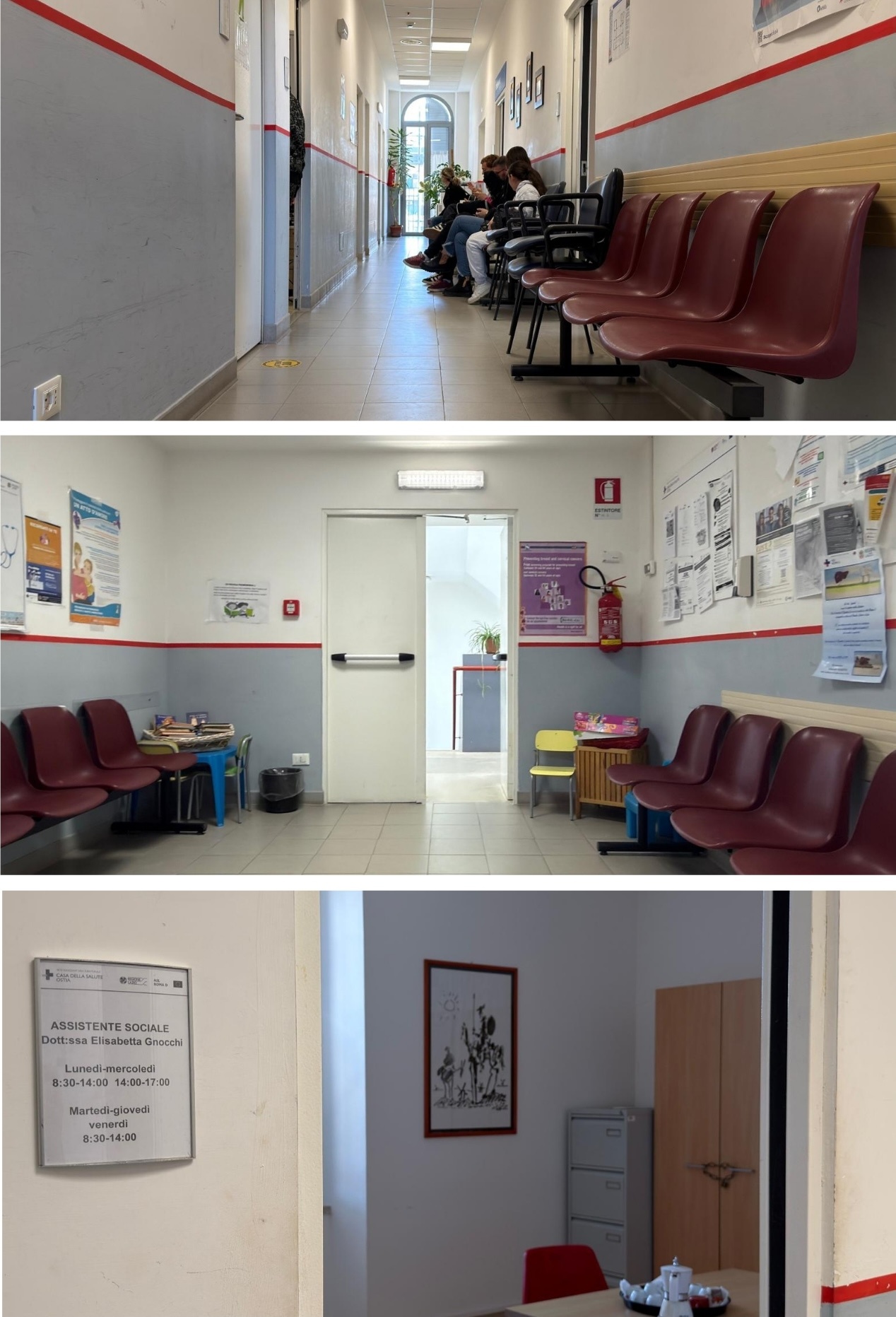
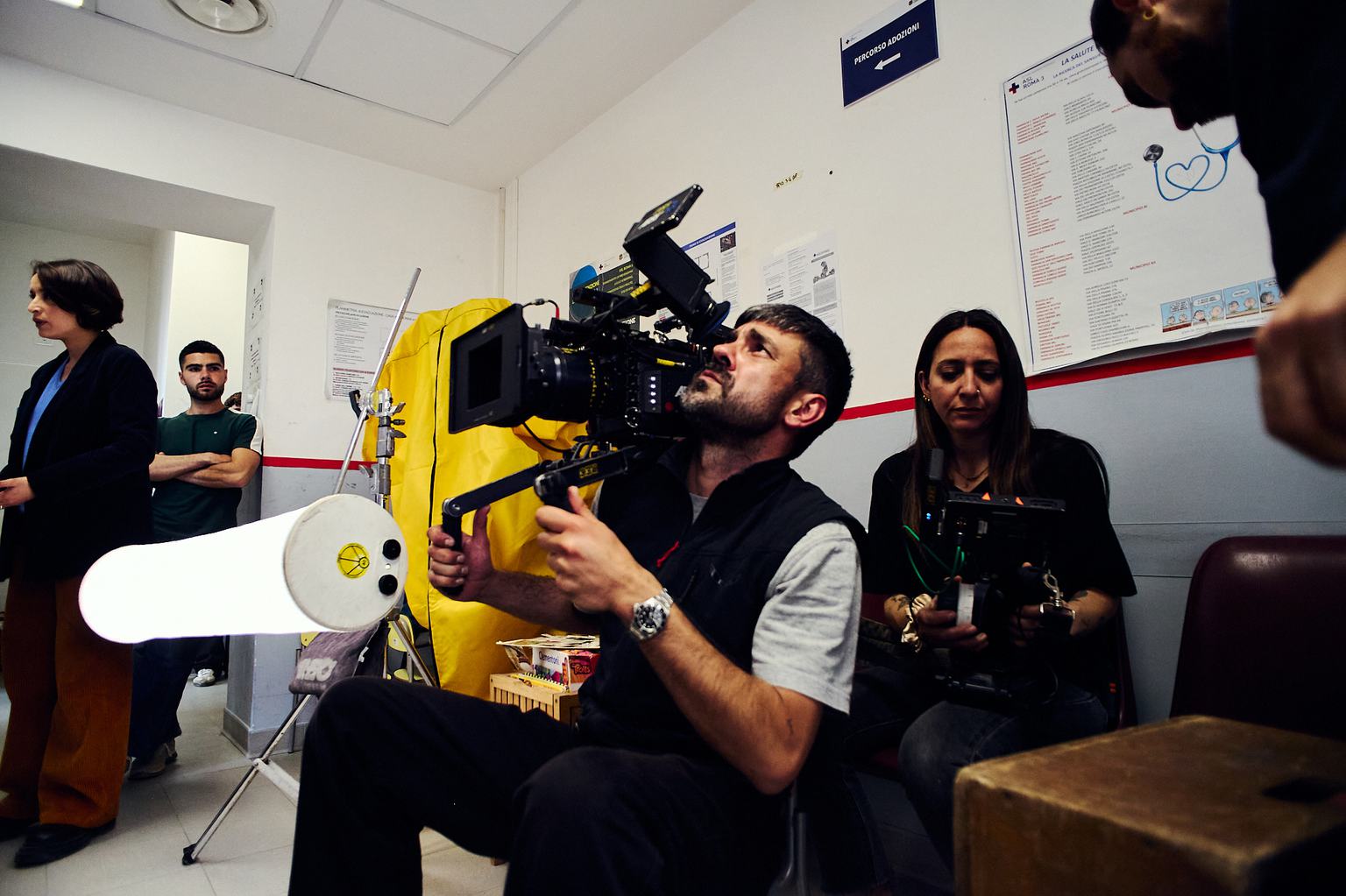
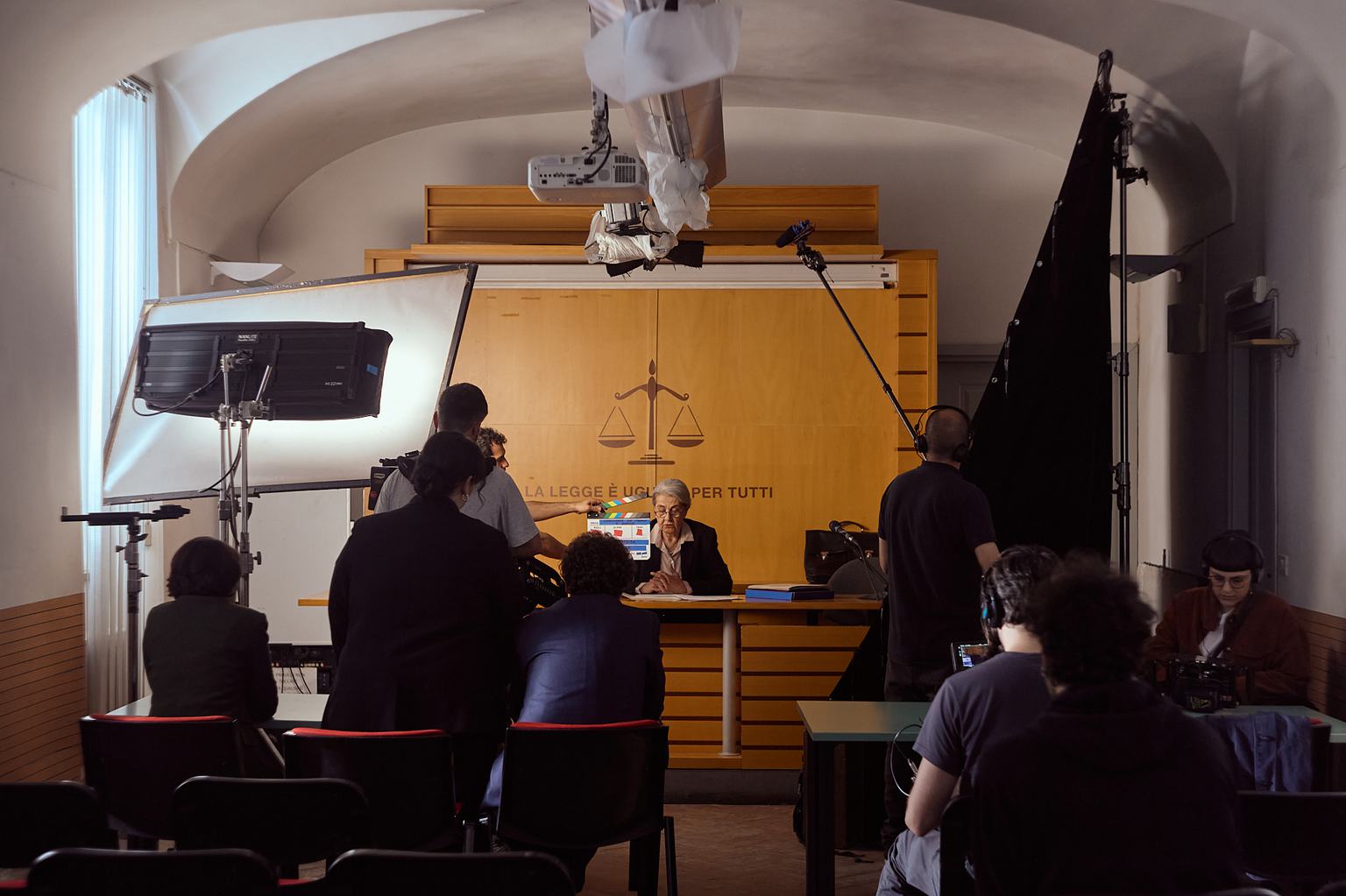
Siamo riusciti a girare il film i primi giorni di Maggio 2026, ora abbiamo bisogno del vostro aiuto per terminare il film! Abbiamo girato al Consultorio di Ostia, grazie alla collaborazione dell’ASL Roma 3, e alla Casa Internazionale Delle Donne di Roma.
Il film ha il sostegno ufficiale dell'associazione Famiglie Arcobaleno.
COM'È NATO IL PROGETTO
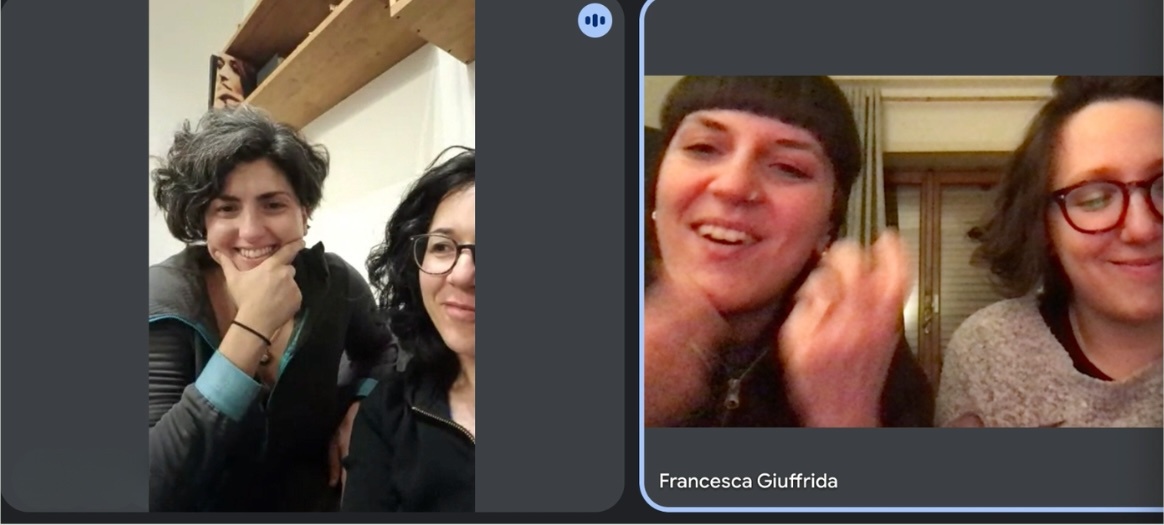
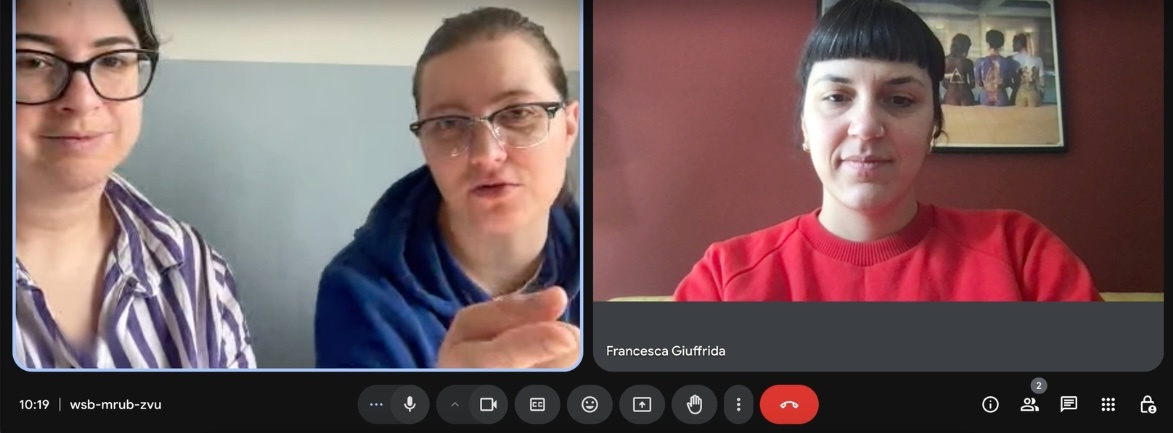
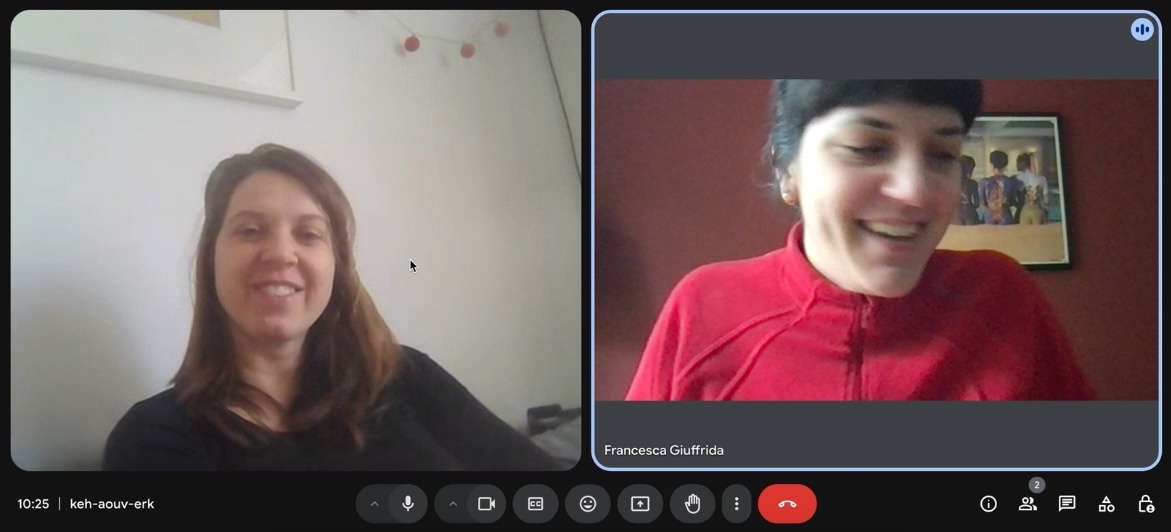
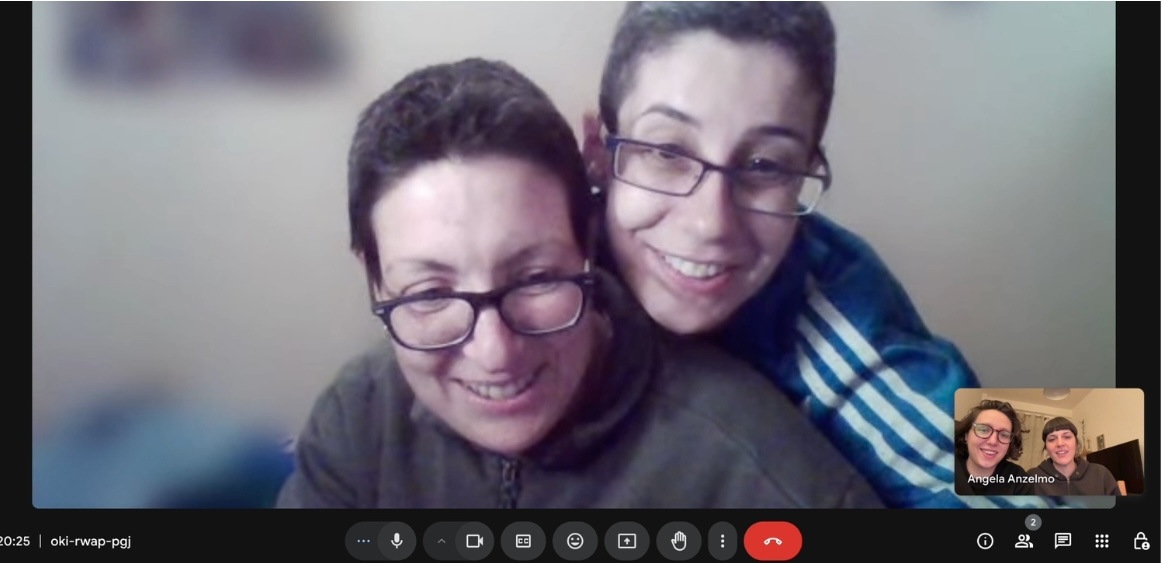
Abbiamo iniziato a scrivere questo film più di un anno fa, a quattro mani: la regista Francesca Giuffrida insieme ad Angela Anzelmo, che sarà la montatrice del film. Abbiamo cominciato intervistando circa 20 famiglie arcobaleno che ci hanno raccontato il percorso diadozione in casi particolari del proprio figlio/figlia, ovvero quel procedimento legale che si appella all’articolo 44 della legge 184 del 1983 che consente l'adozione del minore da parte di parenti o coniugi del genitore. Una legge che non è fatta su misura per le famiglie omogenitoriali, che la legge italiana non considera, e che quindi quando viene applicato nel loro contesto genera delle circostanze sgradevoli e ingiuste. Ma, dal momento che il riconoscimento alla nascita non è permesso, resta l’unica strada percorribile.
Abbiamo cominciato le interviste come da prassi per raccogliere materiale ma già dalla prima si è rivelato qualcosa di più profondo. Abbiamo avvertito l’urgenza di chi si è aperto senza filtri e ci ha donato la sua storia e abbiamo capito una cosa importante: questo film avrebbe dovuto vedere la luce ad ogni costo, perché queste storie andavano raccontate. Consapevoli della fatica che ci va per realizzare un film, anche se corto, ce lo siamo promesse e siamo partite all’avventura cariche di responsabilità e voglia di raccontare per dare il nostro contributo al cambiamento.
LA SENTENZA 68/2025
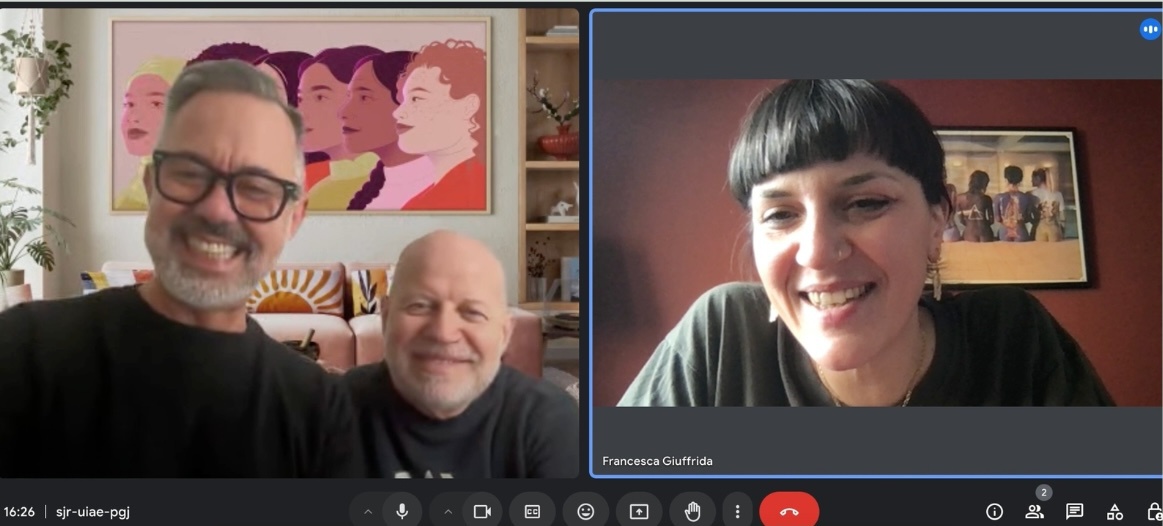
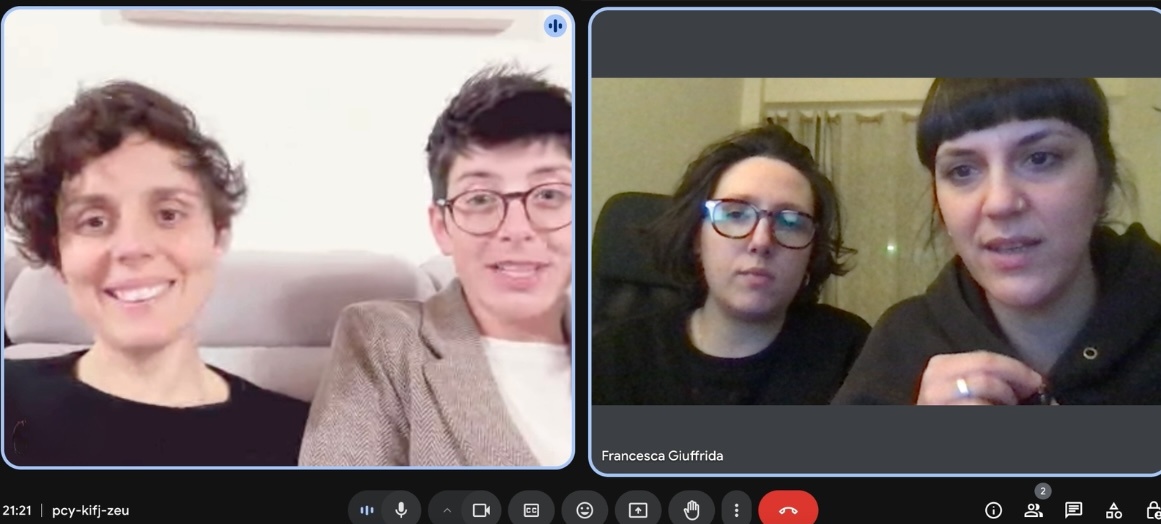
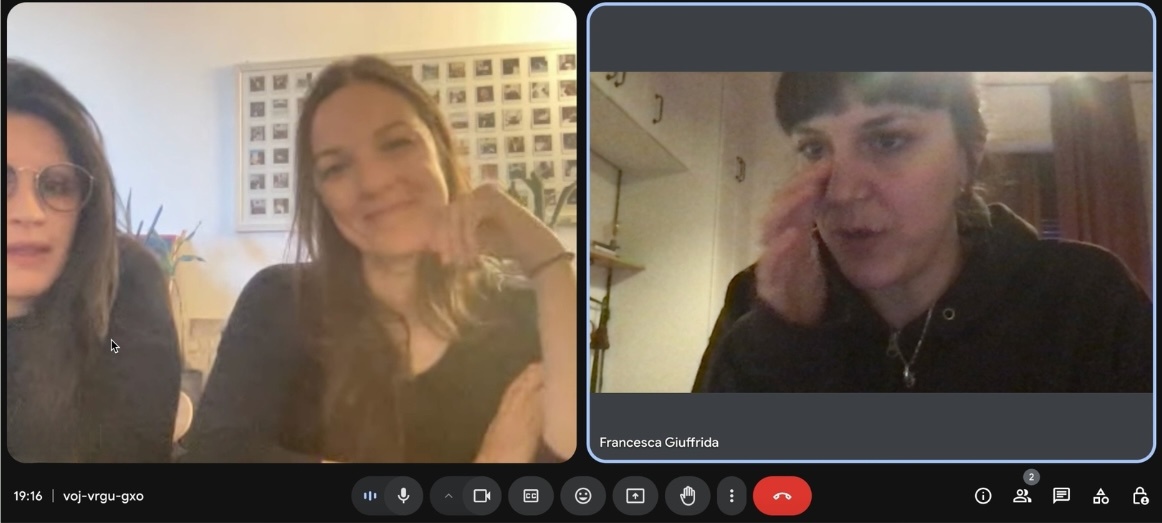
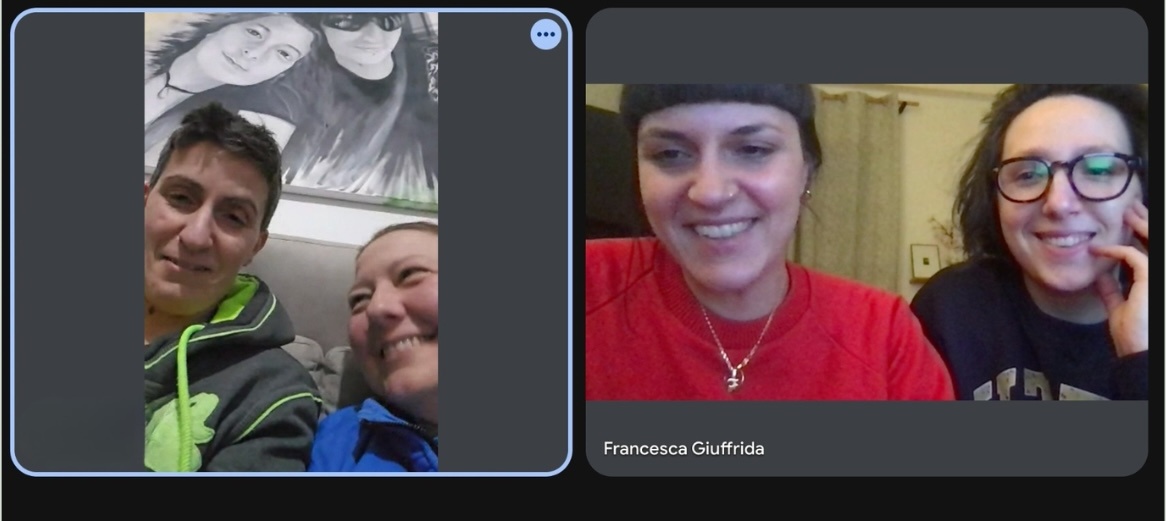
A maggio 2025 è successo qualcosa di incredibile, proprio come nei film: mentre finivamo di scrivere il corto, la Corte Costituzionale ha emesso una sentenza che ha posto fine, in parte, all’ingiustizia di cui scrivevamo. L’avvocato VincenzoMiri, che da anni porta avanti le battaglie delle famiglie arcobaleno insieme all’associazione ReteLenford (avvocatura per i Diritti LGBTI) , ha vinto il ricorso di due mamme alla Corte Costituzionale, cambiando la storia per tutte le altre mamme lesbiche. Perché quando la Corte Costituzionale emette una sentenza diversa rispetto alla legge corrente, quella sentenza va a modificare la legge stessa: da quel giorno la madre “intenzionale” può riconoscere da subito il proprio figlio/a all’anagrafe, al pari della compagna, madre “biologica”. Solo le madri però. Per i padri nulla è cambiato.
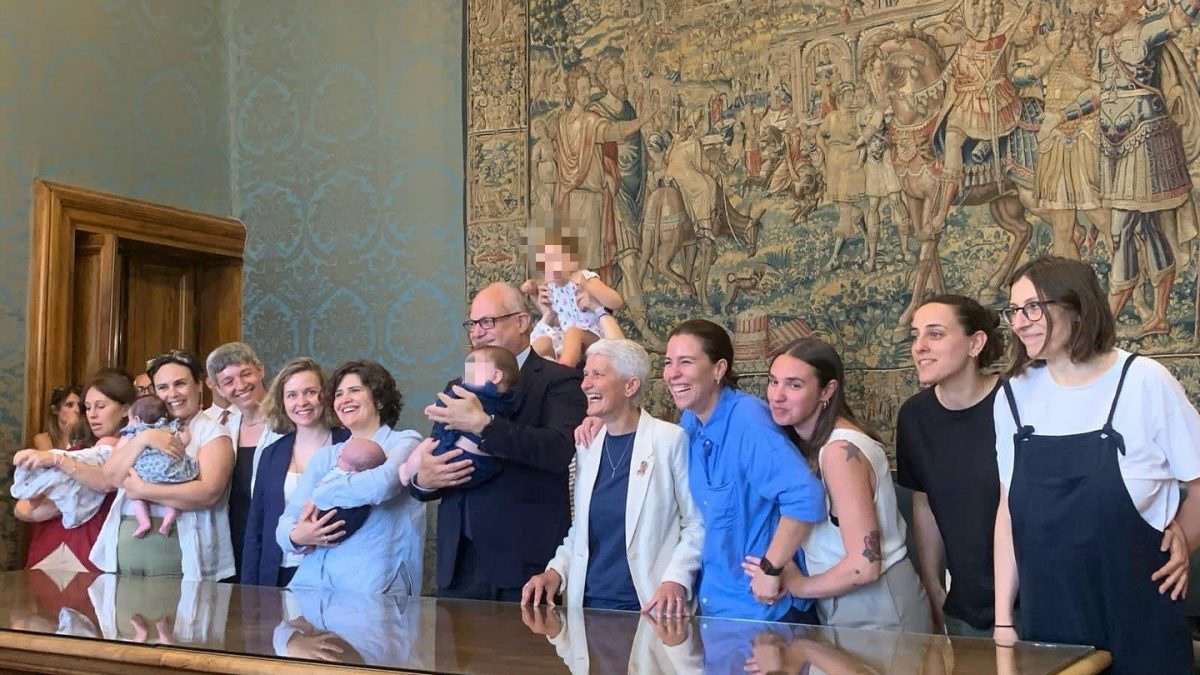
Le prime mamme ad aver firmato gli atti di nascita a Roma dopo la sentenza di Maggio ‘25
PERCHÈ RACCONTARE QUESTA STORIA
Questa vittoria, come ha detto Alessia Crocini (Presidentessa Famiglie Arcobaleno), ce la siamo andata a prendere noi. Non è stato il Governo a fare una legge, rendendosi conto di anni di discriminazioni da parte dello Stato ai figli delle coppie arcobaleno. Siamo stati noi letteralmente a riscrivere la storia con una sentenza.
Ma vale solo per le donne, perché i papà devono passare ancora per la stessa trafila: spendere soldi, far invadere la propria privacy, stare mesi o anni in standby senza tutele, e anzi, dallo scorso anno sono addirittura perseguibili penalmente per aver commesso all’estero il reato universale di Gestazione Per Altri. Reato universale, al pari di tortura, crimini di guerra, genocidio.
Abbiamo vinto una battaglia, ma non abbiamo ancora vinto la guerra.
E sopratutto, con questo film vorremmo dare voce a tutte quelle famiglie che prima dello spartiacque del 2025 hanno dovuto, per 20 anni, affrontare quest’ingiustizia. A quelle famiglie che abbiamo intervistato, che ci hanno fatto dono della loro storia con l’urgenza che venisse raccontata e fatta conoscere a quante più persone possibili. Una realtà che è spesso sconosciuta alla maggior parte delle persone e presa di mira da tutte quelle persone che definiscono la genitorialità delle persone omosessuali “un capriccio”.
Se le donne che oggi creano una famiglia non devono più passare attraverso i colloqui con gli assistenti sociali e psicologi, le visite a casa, i soldi, gli avvocati e i giudici, è grazie alle battaglie di chi ci è passato e si è rimboccato le maniche, come le due mamme protagoniste del nostro film. A volte semplicemente esistendo ed essendo visibili, senza nascondere la propria famiglia.
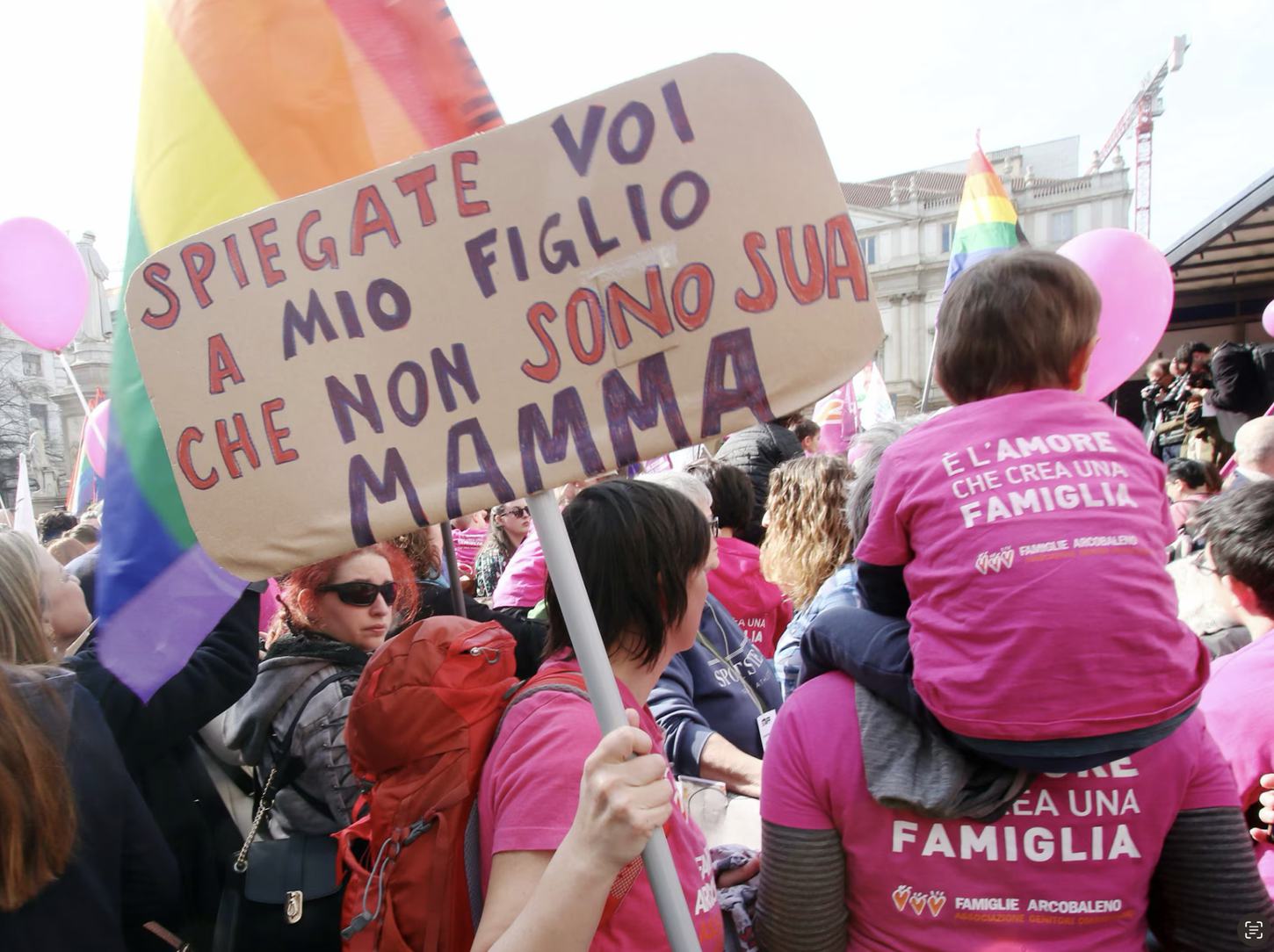
L’obiettivo è riuscire a trasmettere a chi vedrà il film le stesse emozioni che abbiamo avuto noi ascoltando le loro storie. Perché per combattere un pregiudizio, bisogna conoscere le storie, le emozioni, andare oltre le frasi e i pensieri facili.
E proprio il Cinema ha questo potere, il potere di raccontare le emozioni oltre le parole. Vorremmo che attraverso le proiezioni pubbliche e lo streaming questo film arrivasse a molti, anche a quelli che la pensano diversamente, e facesse riflettere. Perché quello è il primo passo per cambiare.
PERCHÈ IL CROWDFUNDING
Una premessa importante: il circuito dei cortometraggi, a differenza dei film lunghi che vediamo al cinema o sulle piattaforme, non permette di guadagnare sul prodotto finale, dunque tutti i soldi che investiamo nel film serviranno esclusivamente a retribuire almeno con un rimborso spese le persone che ci lavorano dedicando il loro tempo e competenza, e a pagare i noleggi e il fabbisogno materiale.
Non essendo remunerativo, è difficile di conseguenza trovare qualcuno che ci investa i soldi, a eccezione dei bandi di sostegno di alcuni enti del cinema, come quello che siamo riusciti a vincere: il bando NUOVO IMAIE. Grazie a questa vittoria abbiamo i primi soldi per realizzare il film, che però sono solo la metà del budget di cui abbiamo bisogno per portarlo a termine! Intanto dobbiamo iniziare a girarlo, a maggio, ma abbiamo bisogno di altri 20mila euro per raggiungere l’obiettivo.
Nonostante i cortometraggi non portino un guadagno, la cura e i mezzi che ci vanno per realizzarlo sono gli stessi in proporzione, così come anche i soldi... e sono tanti.
A cosa servirà il vostro contributo?
Nello specifico, i soldi raccolti con il crowdfunding serviranno per pagare l’attrezzatura cinematografica, i materiali di scenografia, i noleggi delle location, e poi ancora la post-produzione, ovvero quello che viene dopo il set: il montaggio del suono e dell’immagine e la distribuzione del film quando sarà finito.
Una produzione collettiva!
Contribuendo al film con il crowdfunding, diventerete quindi anche voi compagni di questa avventura e sarà come se realizzaste un pezzetto del film. Ci piace pensare che la produzione di questa storia che parla di una collettività, sia raccontata con una produzione collettiva!
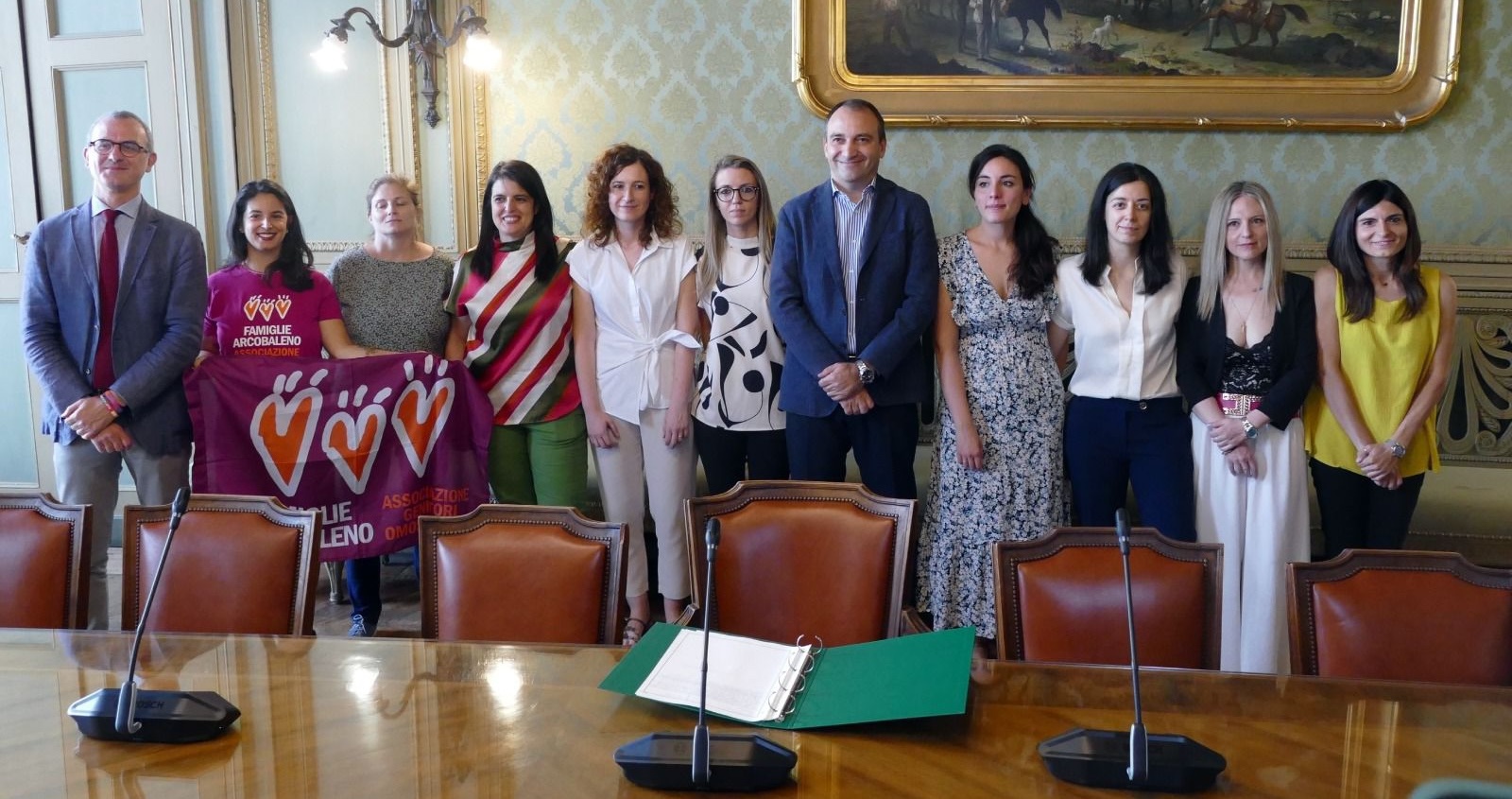
Altre mamme riconoscono i figli dopo la sentenza del 2025
IL CAST
RITA ABELA- ANNA
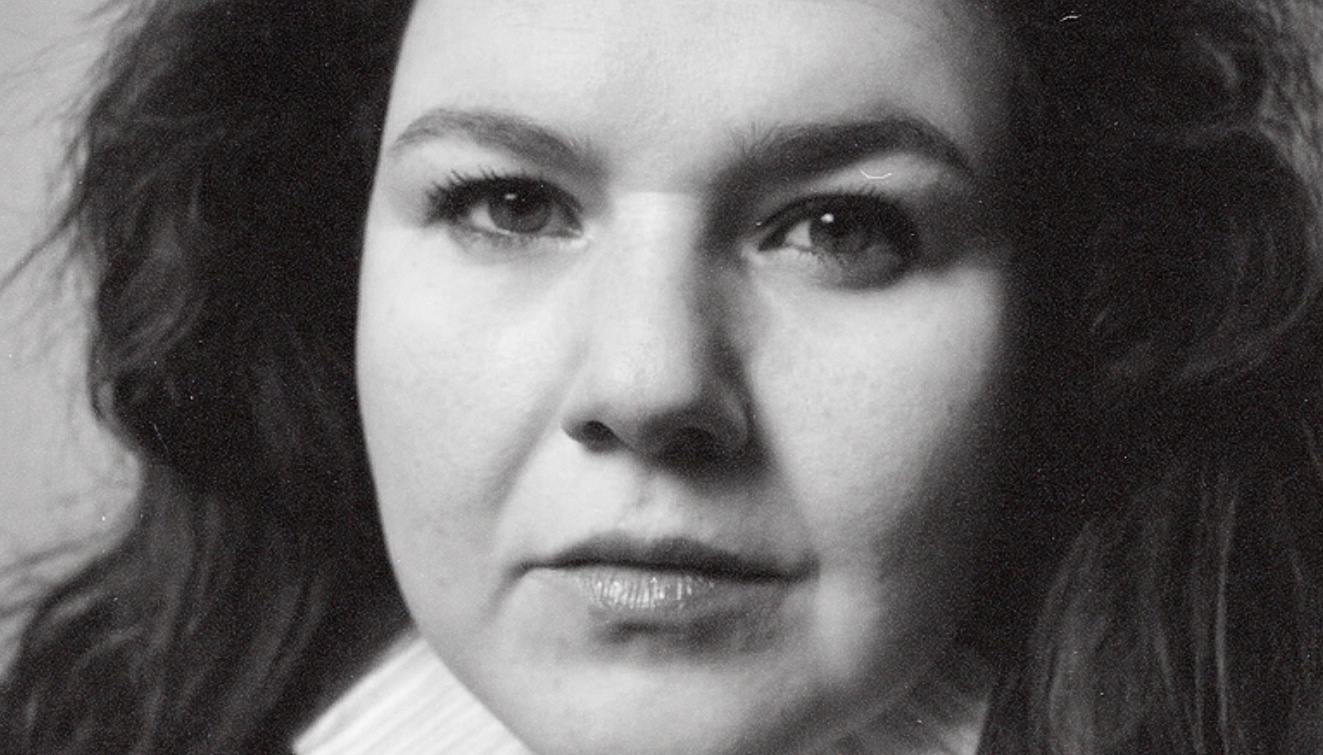
Da bambina il teatro era il luogo in cui si sentiva pienamente a suo agio, per questo ha deciso molto presto quello che avrebbe fatto da grande. Oltre ad aver lavorato per diversi anni come attrice e cantante all’interno delle Rappresentazioni Classiche al Teatro Greco di Siracusa, ha approfondito la sua esperienza teatrale nazionale diretta da registi come Fabio Grossi e Livia Gionfrida ed ha avuto la possibilità di recitare accanto ad attori del calibro di Leo Gullotta, Betti Pedrazzi, Filippo Luna, portando diversi spettacoli in tournée in giro per l’Italia. Davanti alla macchina da presa è stata diretta da Pupi Avati, Davide Marengo, Giovanni La Parola (“Il mio corpo vi seppellirà” vincitore dell’Ortigia Film Festival 2021). È presente anche in “Finalmente l’alba” di Saverio Costanzo e in “Giudice T” di Pasquale Scimeca. Con il cortometraggio “Big” di Daniele Pini (2021, vincitore di Alice nella Città) in cui interpreta la protagonista, ha vinto nel 2022 come miglior attrice in numerosi festival italiani. È stata co-protagonista di Michela Giraud in “Flaminia”, regia della Giraud stessa. Da marzo 2026 è nelle sale il film “Gli occhi degli altri” di Andrea De Sica, in cui recita al fianco di Trinca, Timi e Ferzetti.
GIORGIA SPINELLI- CÈCILE
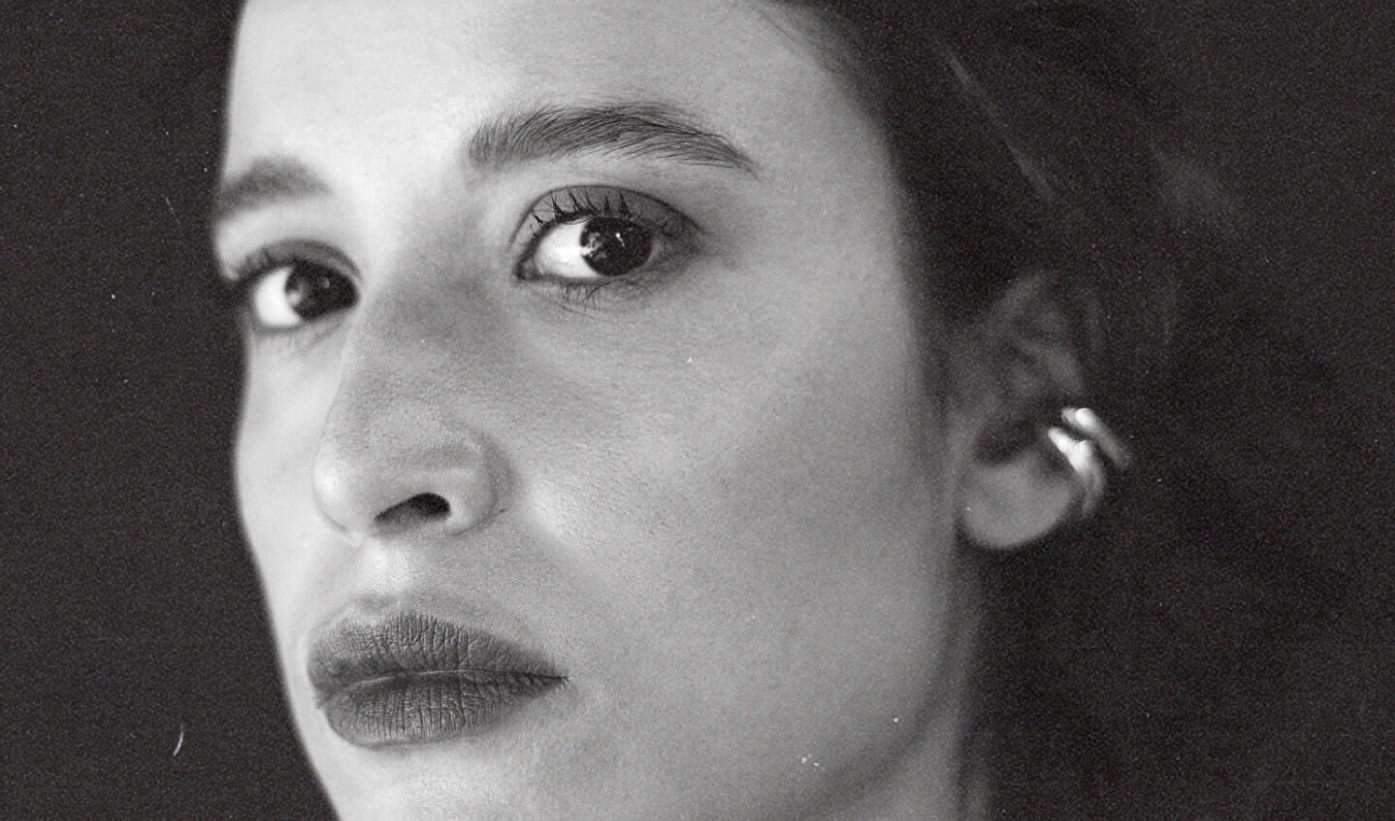
Dopo essersi diplomata al Centro Sperimentale di Cinematografia di Roma nel 2018, ha proseguito la sua formazione all'Università La Sapienza di Roma in Arti e Scienze dello spettacolo. Giorgia ha avuto l'opportunità di lavorare con rinomati professionisti come Paolo Mazzarelli, Lino Musella, Filippo Timi e il gruppo teatrale Fort Apache guidato da Valentina Esposito. Questi incontri le hanno permesso di affinare le sue abilità e ampliare le sue conoscenze nel campo teatrale. Al cinema ha recitato nei film "Inchiostro contro Piombo", diretto da Piero Messina, Ciro D’Emilio e Stefano Lorenzi, per cui il cast ha ricevuto il prestigioso StarLight International Cinema Award alla Festa del Cinema di Roma nel 2022, "Una notte da Dottore" di Guido Chiesa, accanto a Frank Matano e Diego Abatantuono e in "Power of Rome" di Giovanni Troilo. Nel campo della serialità, l'abbiamo vista in "Lidia Poet" di Matteo Rovere e Letizia Lamartire su Netflix e in uno dei ruoli principali di "Suburra Eterna", Netflix. Recentemente ha lavorato nel film "Finalmente l'alba" di Saverio Costanzo, accanto a William Defoe, Lily James e Joe Keery, e in “Come gocce d’acqua” diretto da Stefano Chiantini con Edoardo Pesce. Giorgia tornerà quest’anno in “Suburra Maxima” con il suo personaggio di Miriana Murtas e in due nuovi progetti teatrali.
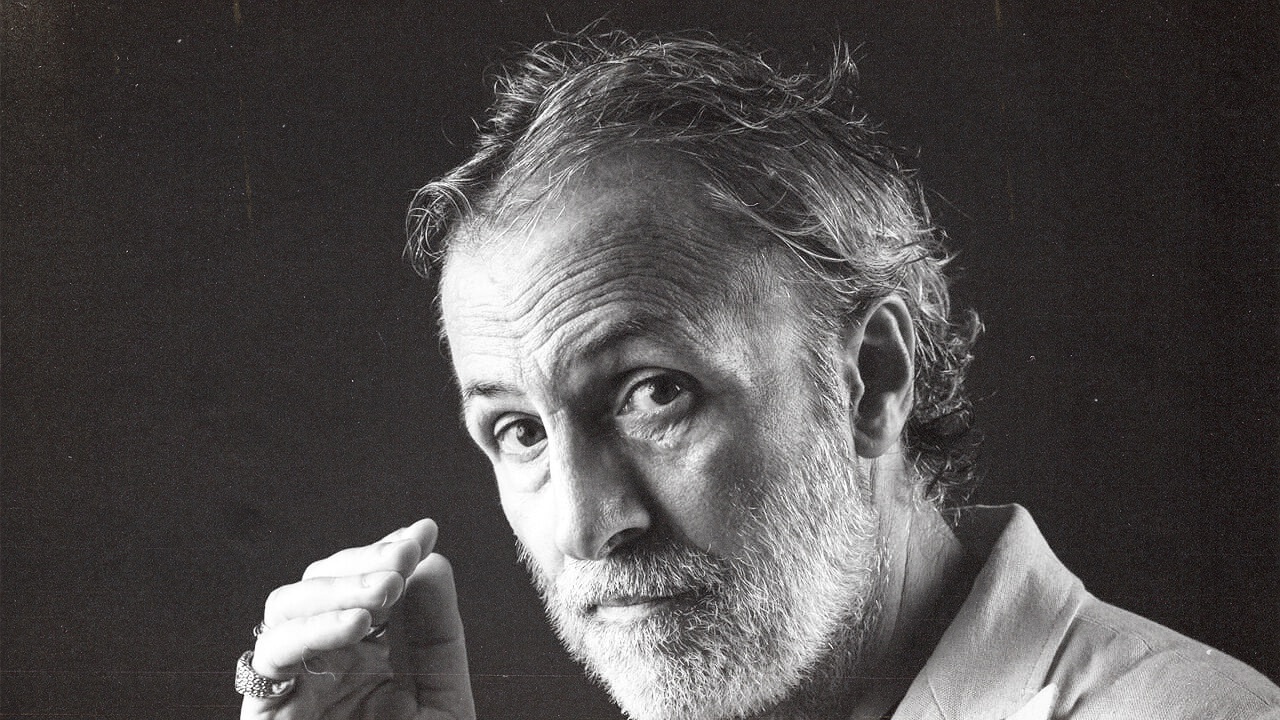
FABRIZIO FERRACANE- LO PSICOLOGO
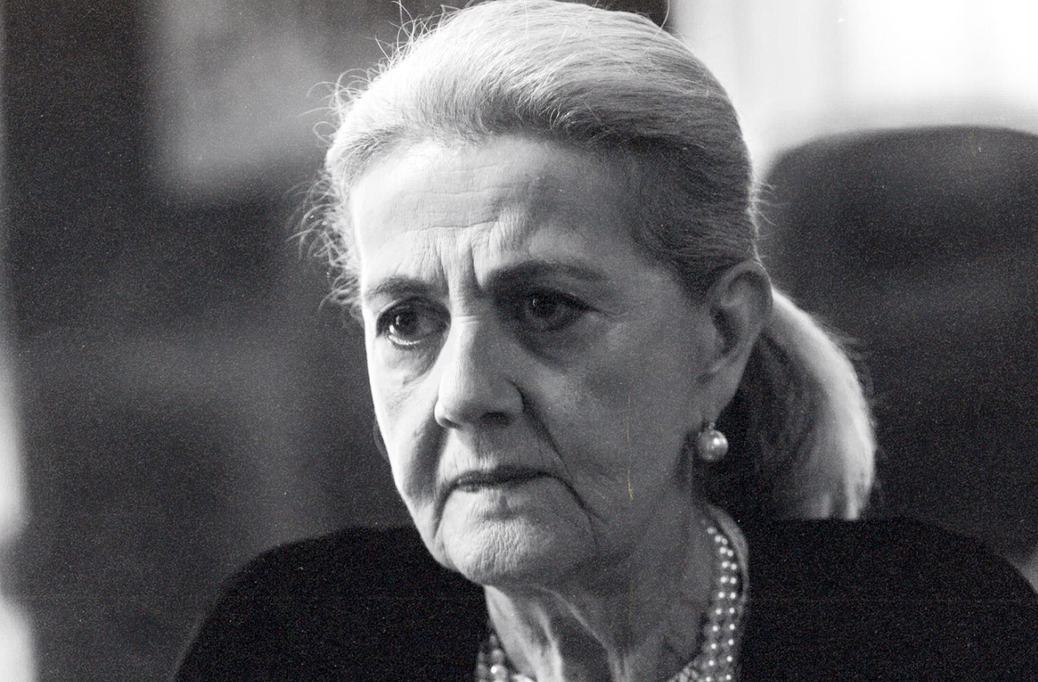
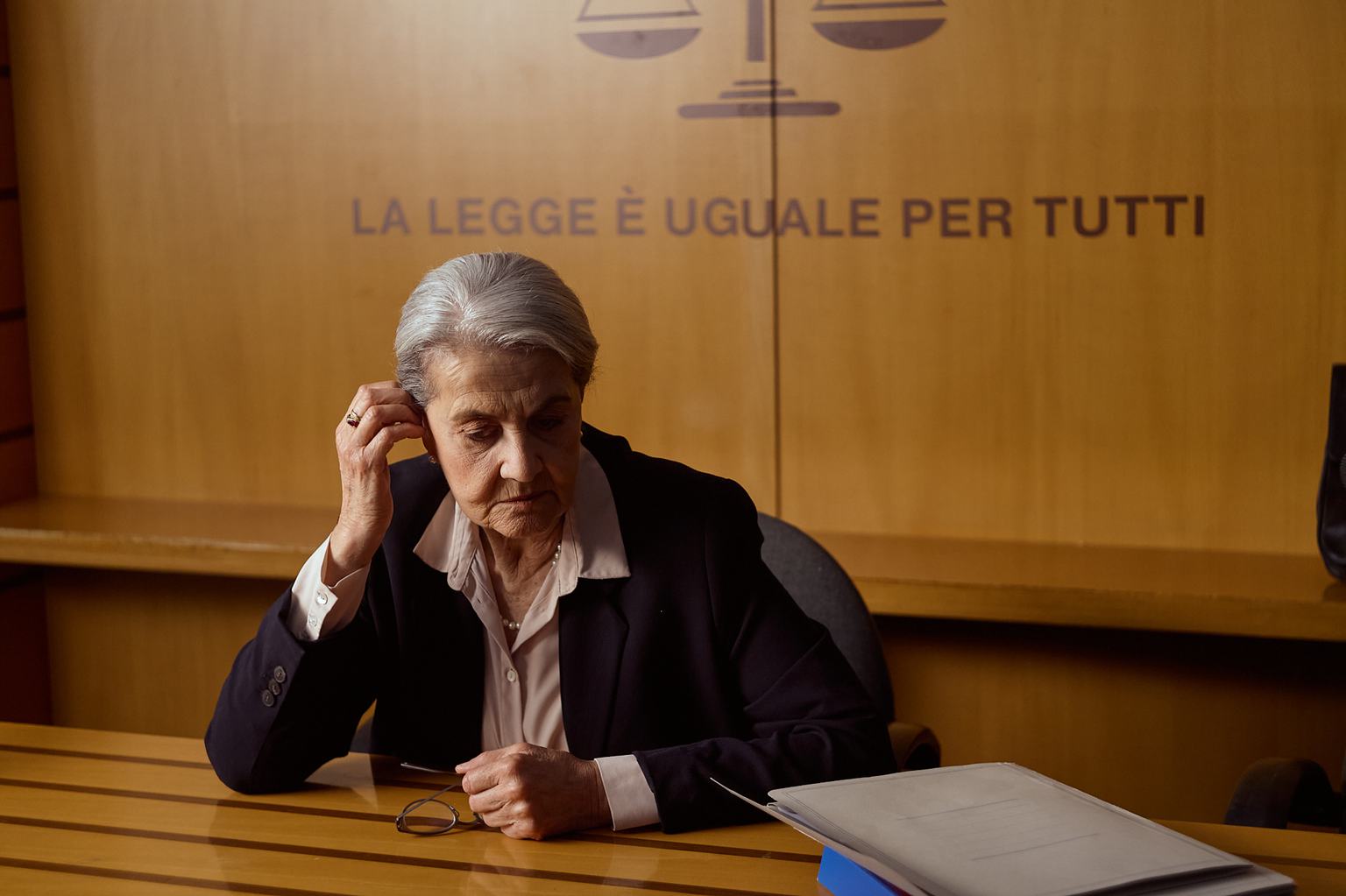
BETTI PEDRAZZI- LA GIUDICE
ELENA FERRANTINI- L'ASSITENTE SOCIALE
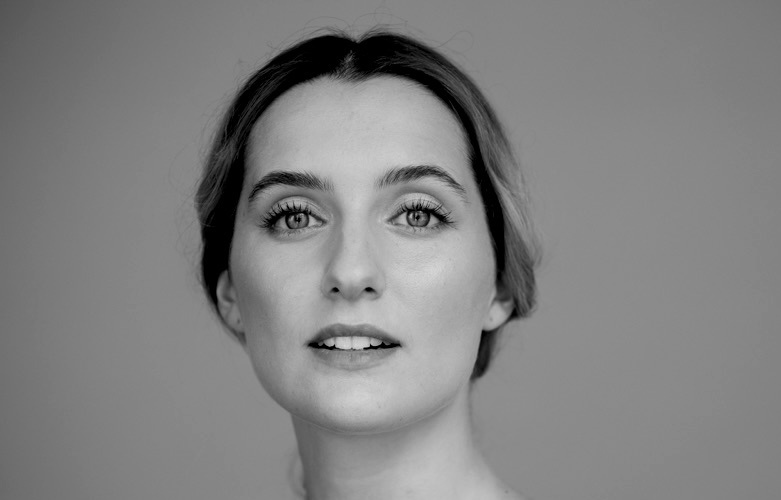
LA TROUPE
FRANCESCA GIUFFRIDA- REGISTA E AUTRICE
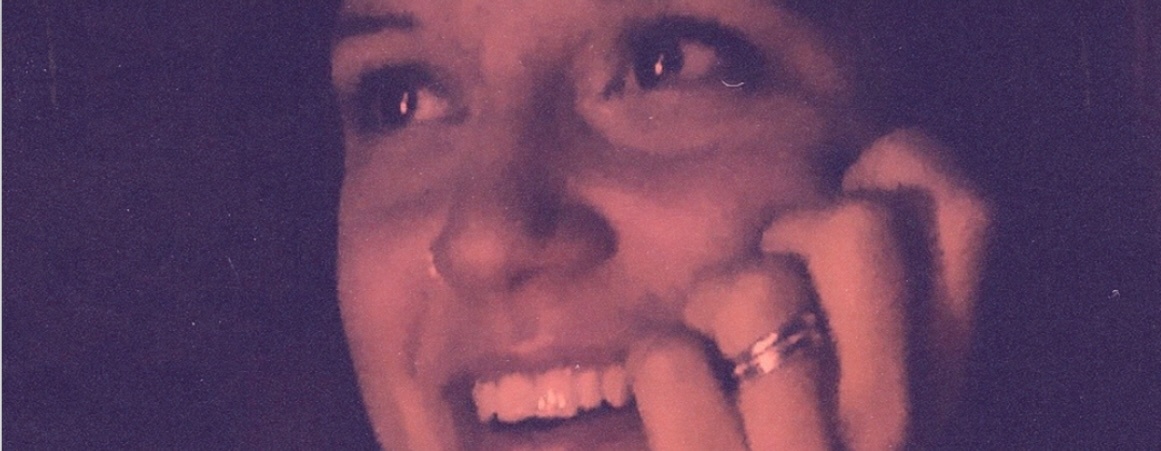
Nata e cresciuta a Torino, dopo anni di teatro e studi di recitazione nel 2019 si diploma in Regia cinematografica alla Civica Scuola di Cinema Luchino Visconti di Milano con il cortometraggio MentreDormi e una tesi sul “potere dell'attore nel film”. Parte subito per Roma per lavorare nel cinema e inizia come assistente casting di importanti Casting Directors per produzioni quali Fandango, Cattleya, Cross Productions, Kino Produzioni, Lucky Red e altre. Oggi è al suo terzo progetto come Casting Director, lavoro che le permette di stare a contatto con gli attori e la recitazione, ovvero ciò che l'ha portata alla regia fin dal principio.
In parallelo, continua a lavorare ai suoi progetti come autrice e regista: nel 2020 scrive, dirige e produce il cortometraggio Itaca, girato in un'isola della Sardegna e nel 2021 realizza per il Soroptimist Club un cortometraggio documentario su Liana Bortolon, pioniera del giornalismo e critica d'arte degli anni '60.
Il suo ultimo cortometraggio, La vita magra, con protagonista Giorgia Spinelli, ha vinto numerosi premi, tra i quali il Nuovo Imaie alla miglior interprete per Spinelli, e il premio Rai Cinema Channel, grazie al quale il corto è ora visibile su Rai Play.
ILYA SAPEHA- DIRETTORE DELLA FOTOGRAFIA
Diplomato al Centro Sperimentale di Cinematografia, è stato operatore in film come Martin Eden, La Chimera, Nina dei lupi, Enea, Gloria!, Immaculate, Il mio posto è qui. Come Direttore della fotografia ha firmato, tra i corti, La santa che dorme e Majoneze, e i lungometraggi Futura, Animali randagi, Agnus Dei, vincendo spesso numerosi premi per la fotografia. In prossima uscita la serie Estranei.
ANGELA ANZELMO- MONTATRICE
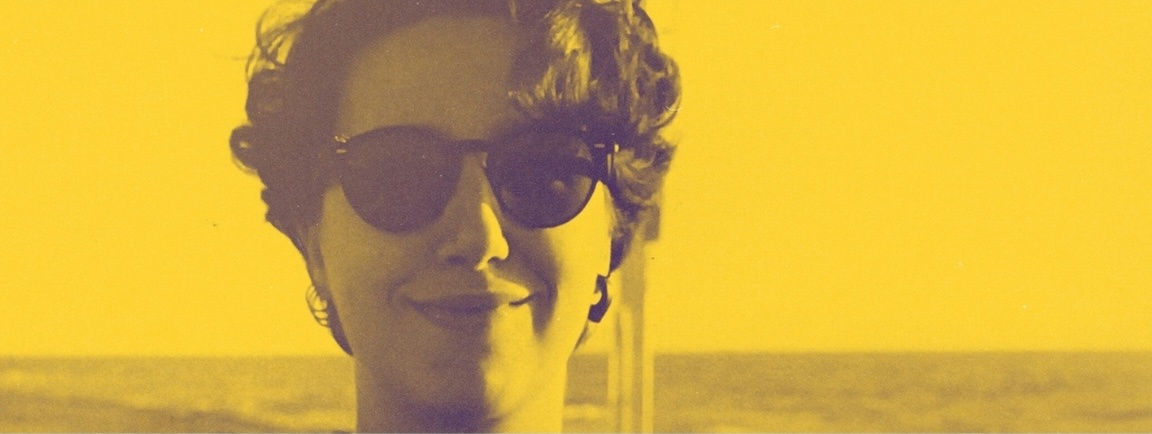
30 anni, nata e cresciuta a Nocera Inferiore (Salerno), A 19 anni si sposta a Milano per studiare montaggio alla scuola di Cinema Visconti di Milano e subito dopo il diploma, nel 2017, si trasferisce a Roma dove comincia a lavorare come assistente al montaggio. Negli ultimi anni è assistente al montaggio per importanti progetti, da È stata la mano di Dio di Paolo Sorrentino ai film di Luca Gudagnino, a fianco del montatore Marco Costa: Challengers, Queer, After the Hunt, Artificial. Collabora come montatrice con Francesca Giuffrida da sempre.
ELENA GUARDIANI- COSTUMISTA
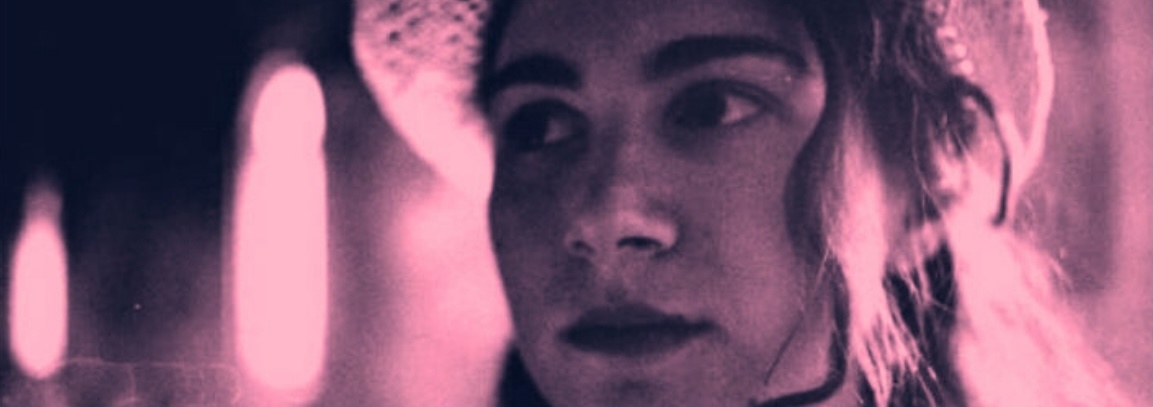
Elena Guardiani cresce a Pescara e si laurea in Lettere All’Università di Bologna. Dopo la triennale studia costume al Centro Sperimentale di Cinematografia di Roma. Dal 2020 lavora per produzioni teatrali e cinematografiche ricoprendo differenti ruoli e dedicandosi parallelamente allo sviluppo dei propri progetti personali, approfondendo la ricerca su i campi che maggiormente la interessano, in particolare il ruolo del costume nella narrazione cinematografica e le modalità con cui gli abiti hanno modellato da sempre il nostro modo di abitare il mondo.
MYRYAM SANSONE- SCENOGRAFA
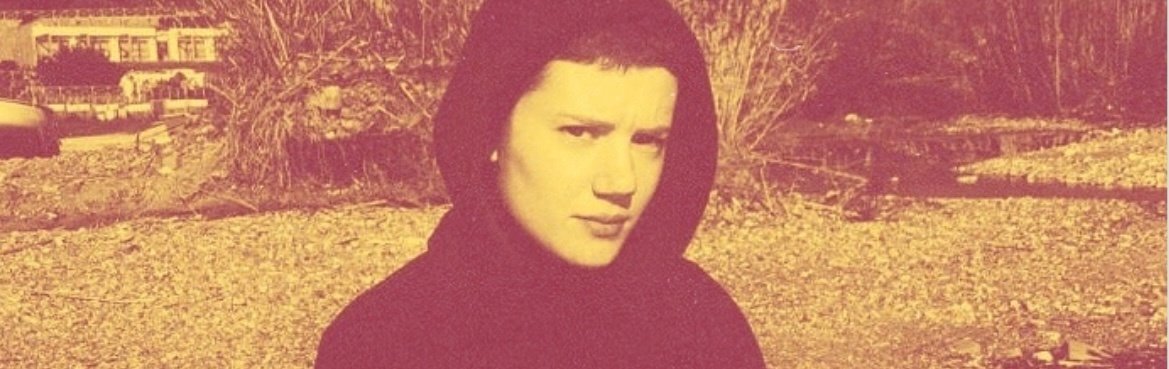
Si laurea in Scenografia all'Accademia di Belle Arti di Roma nel 2015 con una tesi sull’uso di un ex edificio industriale per il dramma 'Purificati" di Sarah Kane", in cui esplora la connessione tra ambiente e narrazione, un tema che diventerà un filo conduttore della sua carriera. Frequenta poi il Centro Sperimentale di Roma, scenografia, dove studia sotto la direzione di Francesco Frigeri. È qui che inizia il suo percorso nel cinema, lavorando al fianco dello scenografo Dimitri Capuani per Pinocchio di Matteo Garrone, segnando così l'inizio della sua carriera professionale. Nel corso degli anni, Myriam collabora con scenografi di grande esperienza come Alessandro Vannucci, Roberto De Angelis e Fabrizio D'Apino, ampliando sempre di più il suo bagaglio artistico. Nel 2023, debutta come arredatrice con Diciannove, un film di Giovanni Tortorici prodotto da Luca Guadagnino, segnando una nuova fase del suo percorso professionale.
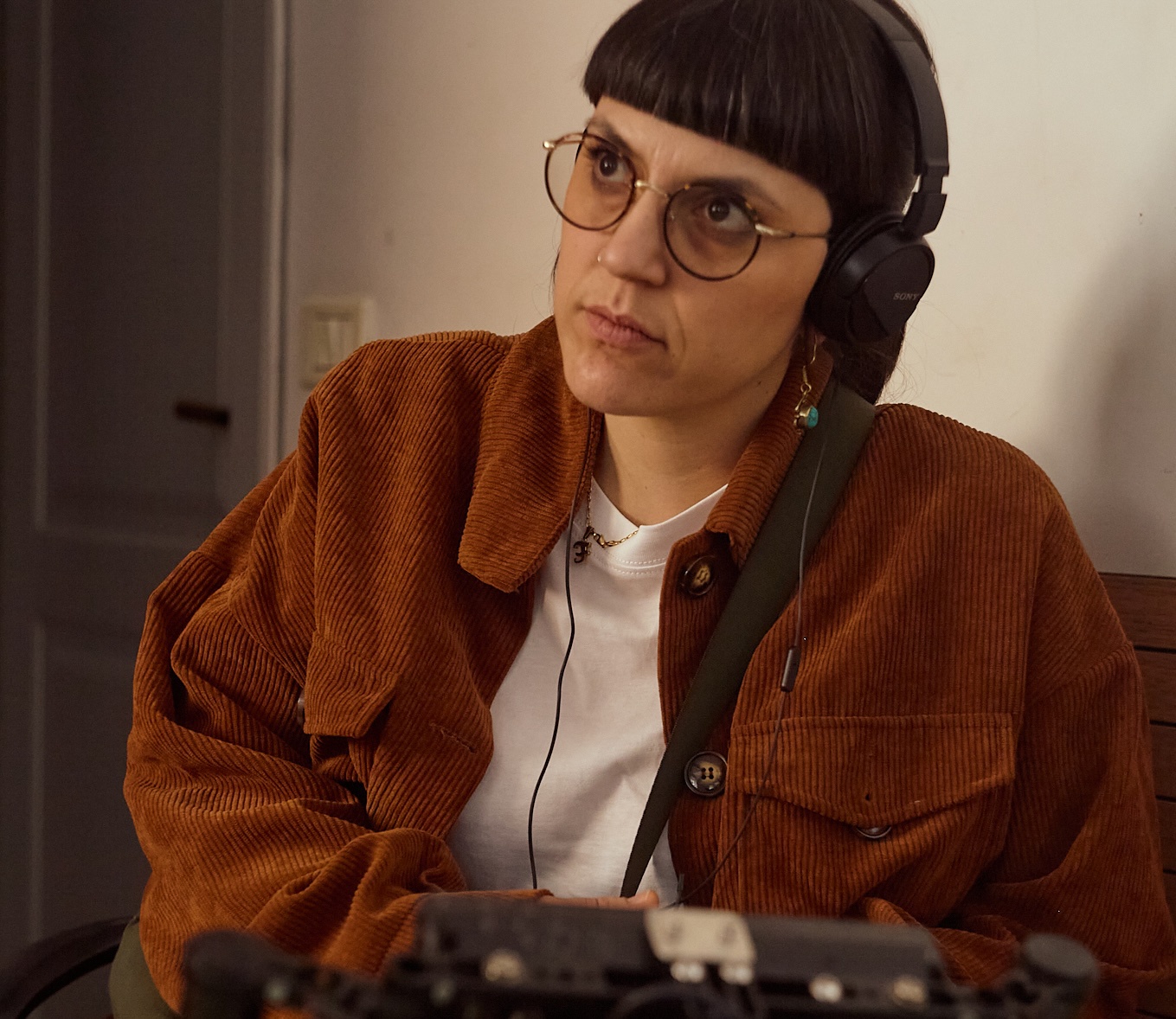
FLAVIO MORO- FONICO DI PRESA DIRETTA
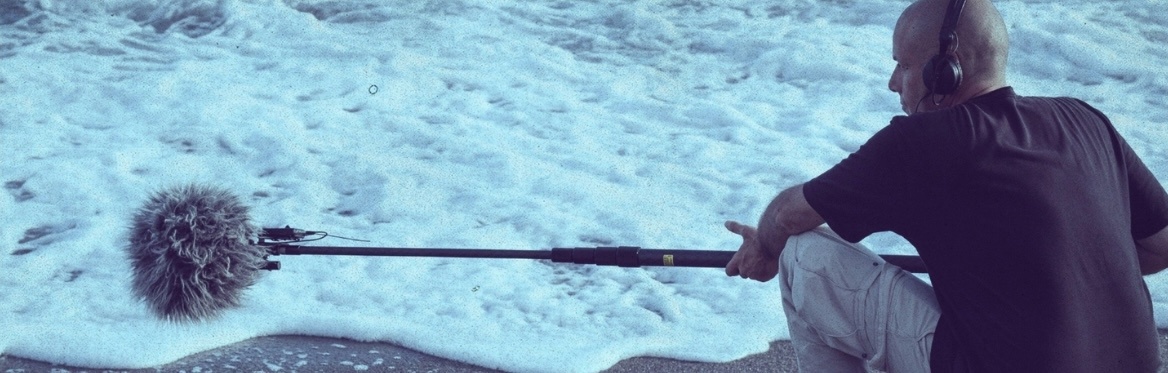
Nasce a Roma e da sempre è appassionato di musica e del mondo sonoro in generale. Ha iniziato il suo percorso come assistente in uno studio di registrazione musicale, ma ben presto il suo interesse si è rivolto al mondo cine-audiovisivo, attratto dalla sua capacità di fondere molteplici arti in un’unica visione espressiva. Nel cinema, il suono assume una dimensione tridimensionale, integrandosi profondamente con le immagini e contribuendo a definire l’identità narrativa ed emozionale di un’opera. Inizia lavorando su set di progetti nazionali ed internazionali come microfonista e fonico, ma parallelamente ha continuato a studiare e a sviluppare la propria sensibilità nel mondo della post-produzione audio. Nel 2021 ha co-fondato Sound Hub, studio di post-produzione audio per cinema e televisione, dove si specializza come Sound Effect Editor e Sound Designer. Nella post-produzione ha trovato la sintesi perfetta tra due mondi complementari: l’arte della presa diretta audio e la sperimentazione sonora e musicale.
SIMONE USAI- SOUND DESIGNER
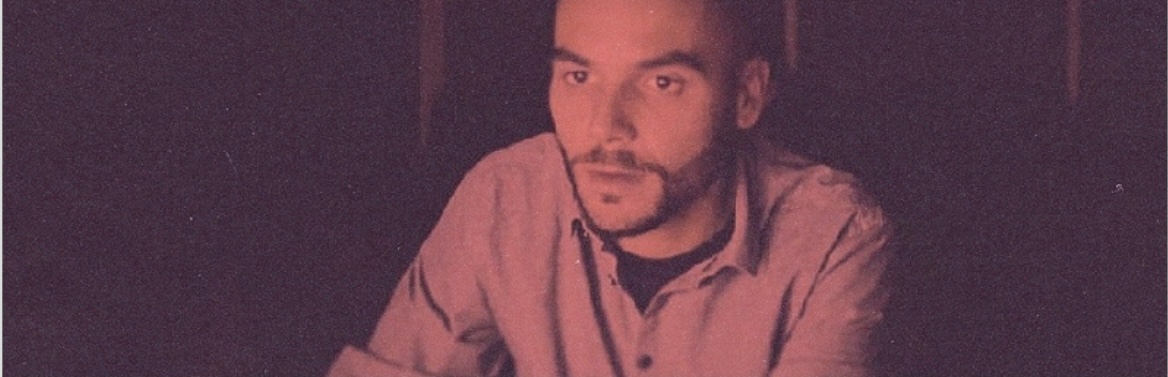
Simone Usai, fonico di mix e sound designer freelance per il cinema, diplomato in Tecnica del suono-missaggio al Centro Sperimentale di Cinematografia. Ha curato il missaggio per numerosi progetti italiani ed internazionali tra film, serie e documentari. Ha lavorato al suono di "Mektoub, my love - canto due", "M - il figlio del secolo", "Aichä", tra gli altri. Collabora con molti studi leader nel settore della post-produzione.
MARCO STEPHEN LABRUNA - FOLEY ARTIST
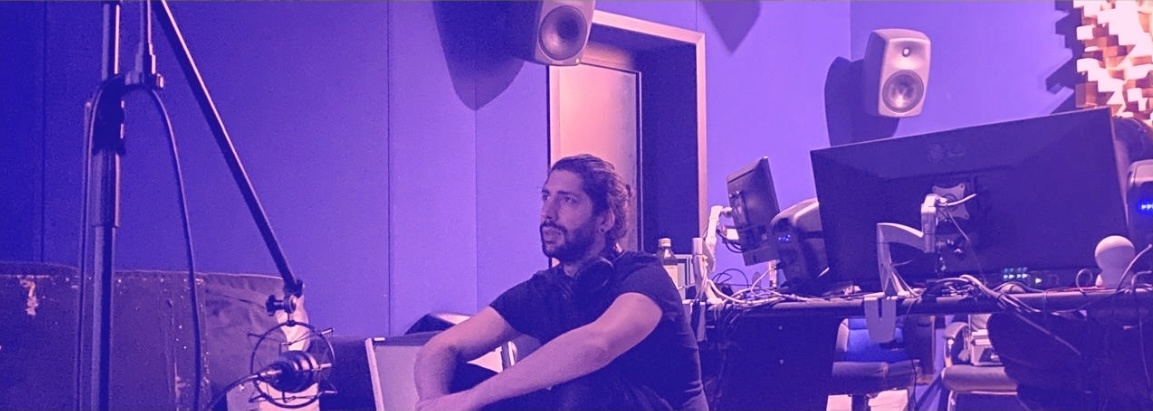
Nato negli Stati Uniti nel 1989, vive a Roma dove lavora come foley artist, specializzato nella creazione di rumori di sala per il cinema da oltre dieci anni.
Laureato in Sound Design e appassionato di field recording, esplora la dimensione materica del suono nell’ audiovisivo, unendo approccio tecnico e sensibilità narrativa.
ENRICO ACCIANI - AIUTO REGIA
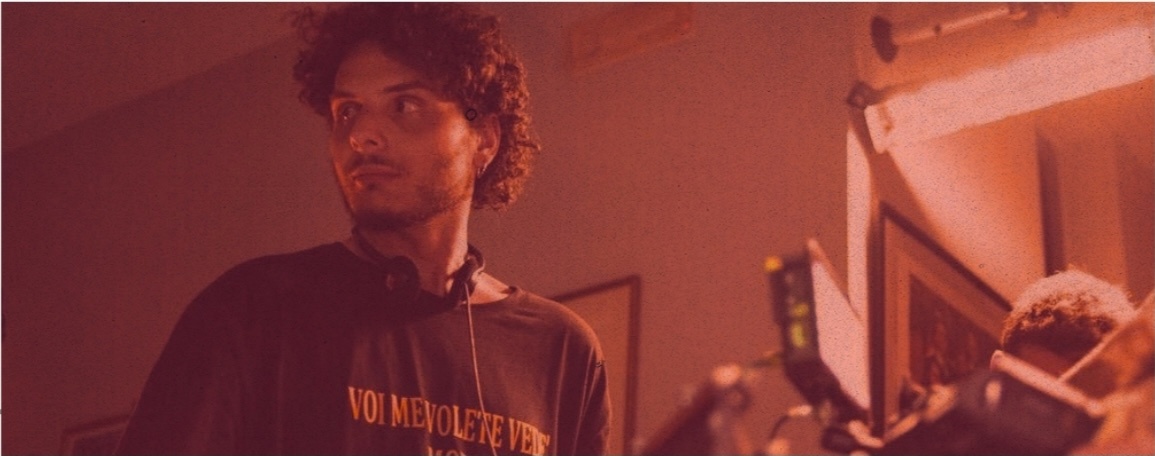
Regista, sceneggiatore e musicista di Bari. Realizza Blasè, il suo primo cortometraggio, interamente a Londra nel 2014, selezionato al SFC del Festival di Cannes 2015. Nel 2020 realizza il suo primo lungometraggio Respirare Stanca, con il patrocinio dell’Apulia Film Commission: il film è distribuito da Draka Distribution ed esce su Amazon Prime Video nel febbraio del 2022. Nel 2023 scrive con Stefano Landini il film Stolen Moments, presentato in anteprima Internazionale al Bif&st del 2024. Nel luglio 2024 scrive e dirige Sette Settimane, presentato durante il festival di Venezia, prima tappa di un lungo percorso festivaliero. A dicembre del 2024 va in scena al teatro Cometa Off di Testaccio la sua prima regia teatrale della commedia intitolata Imparami ad amare.
Nel 2025, dopo aver vinto il bando dell'Apulia Film Commission, gira il cortometraggio Splendor, che racconta la storia di una monosala che chiude.
Dal 2015 Lavora attivamente nel reparto regia di svariate produzioni come IBC, Eagle Pictures, BibiFilm, Picomedia, Dinamo Film, Cattleya e molte altre per la realizzazione di serie Tv e film Rai, Netflix e Prime.
EDUARDO FESTA- PRODUTTORE
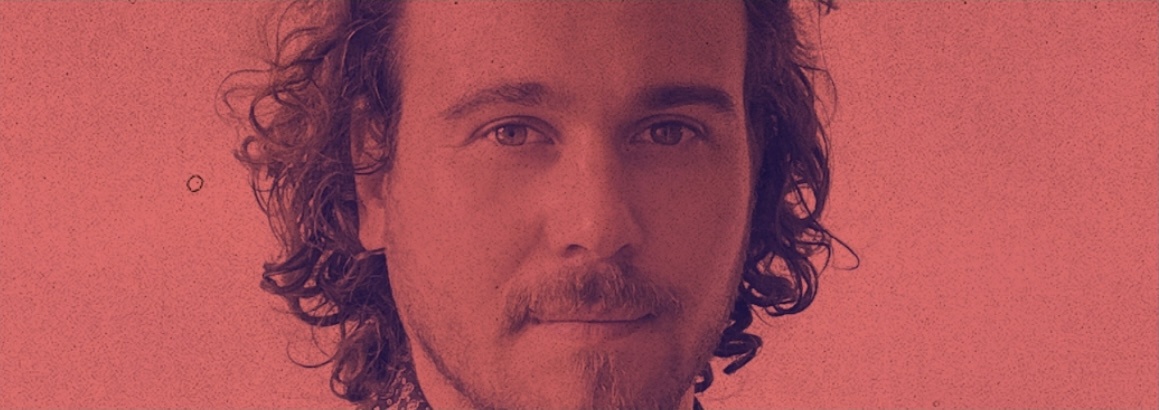
Nato a Bologna, è CEO della produzione Gargoyle Films, fondata nel 2022 a Milano.
SIMONA VERDE- COORDINATRICE DI PRODUZIONE
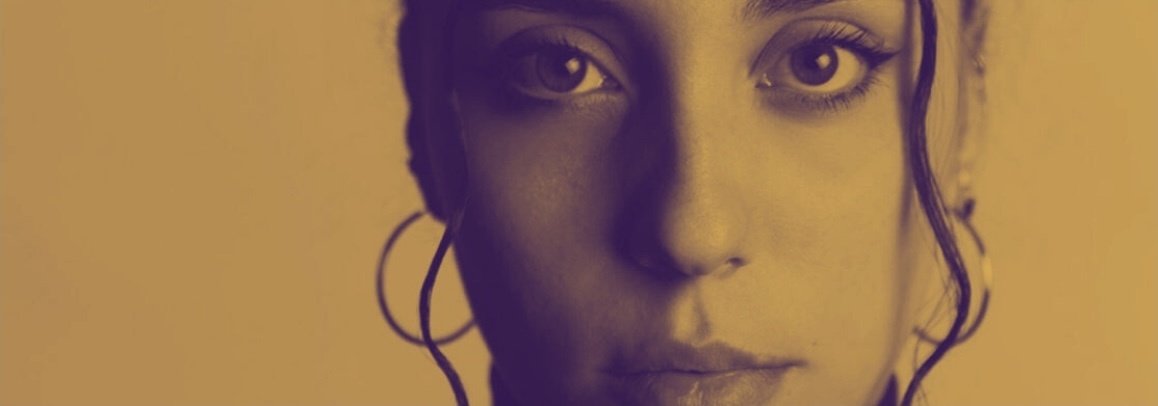
Simona è film producer e fotografa. Formatasi tra Napoli e Parigi, ha costruito il suo percorso nello spazio di confine tra cinema e fotografia. Lavora come executive producer per la casa di produzione indipendente milanese Gargoyle Films ed è membro dell'associazione GRIN.
ODOARDO MAGGIONI- DIRETTORE DI PRODUZIONE
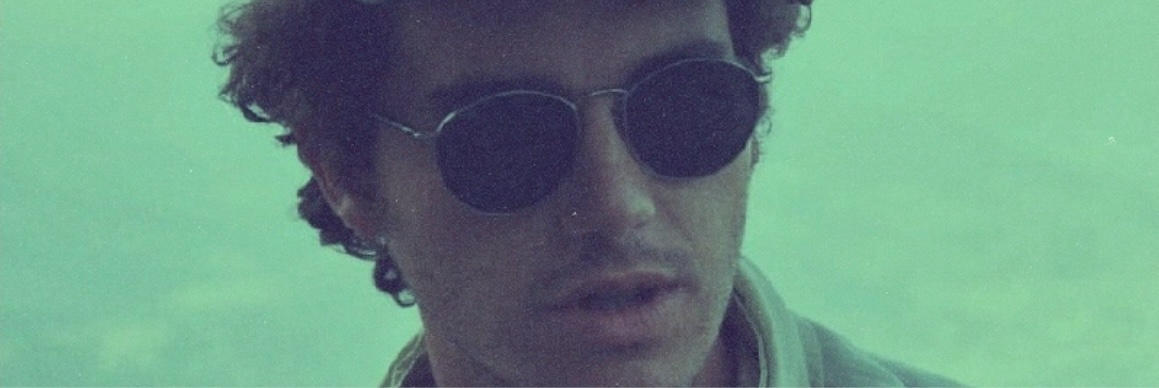
Odoardo Maggioni (Milano, 1994) è regista e produttore. Laureato al DAMS e al CITEM di Bologna, ha un passato nel teatro. Nell’audiovisivo lavora come produttore esecutivo e direttore di produzione per cinema, spot e campagne internazionali. Nel 2022 fonda Tutti Frutti ETS e dirige Short Out Festival, festival internazionale di cortometraggi. Nel 2026 fonda Macedonia Srl, nuovo progetto imprenditoriale nel settore audiovisivo e culturale.
LILIA KICJA -ASSISTENTE DI PRODUZIONE
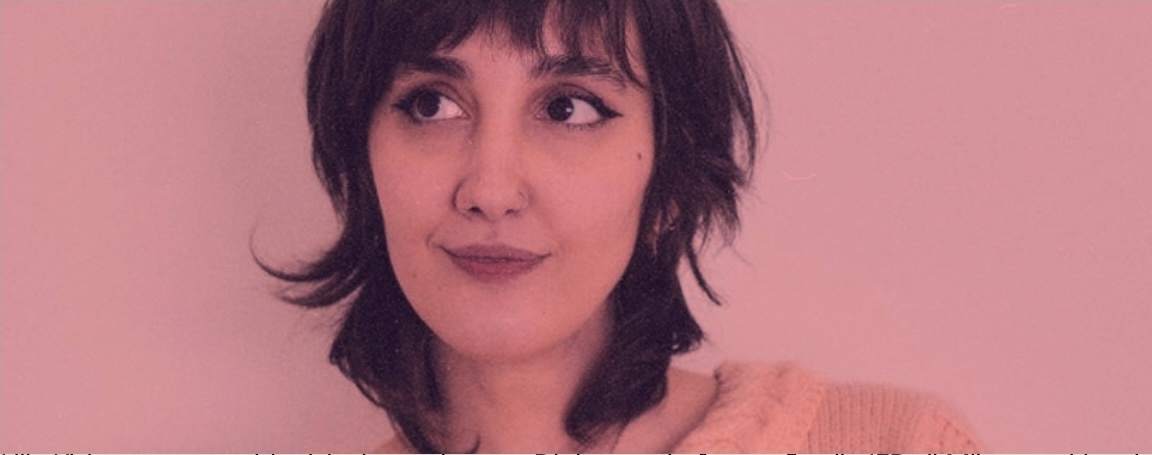
Lilia Kicja cresce tra obiettivi e inquadrature. Diplomata in fotografia allo IED di Milano, coltiva da sempre una profonda passione per il cinema. Oggi muove i suoi primi passi nel mondo della produzione cinematografica, entusiasta di farne finalmente parte.
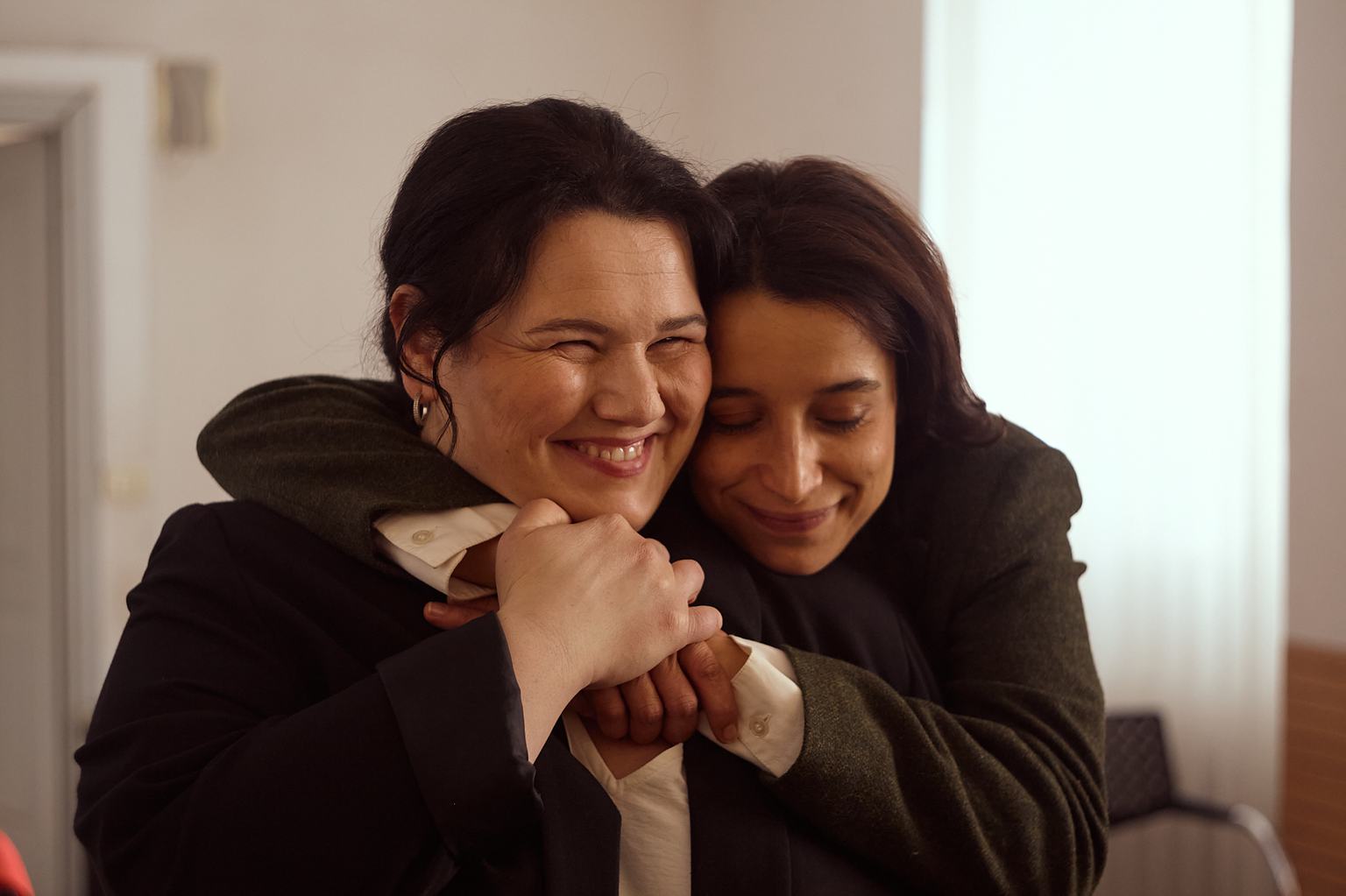
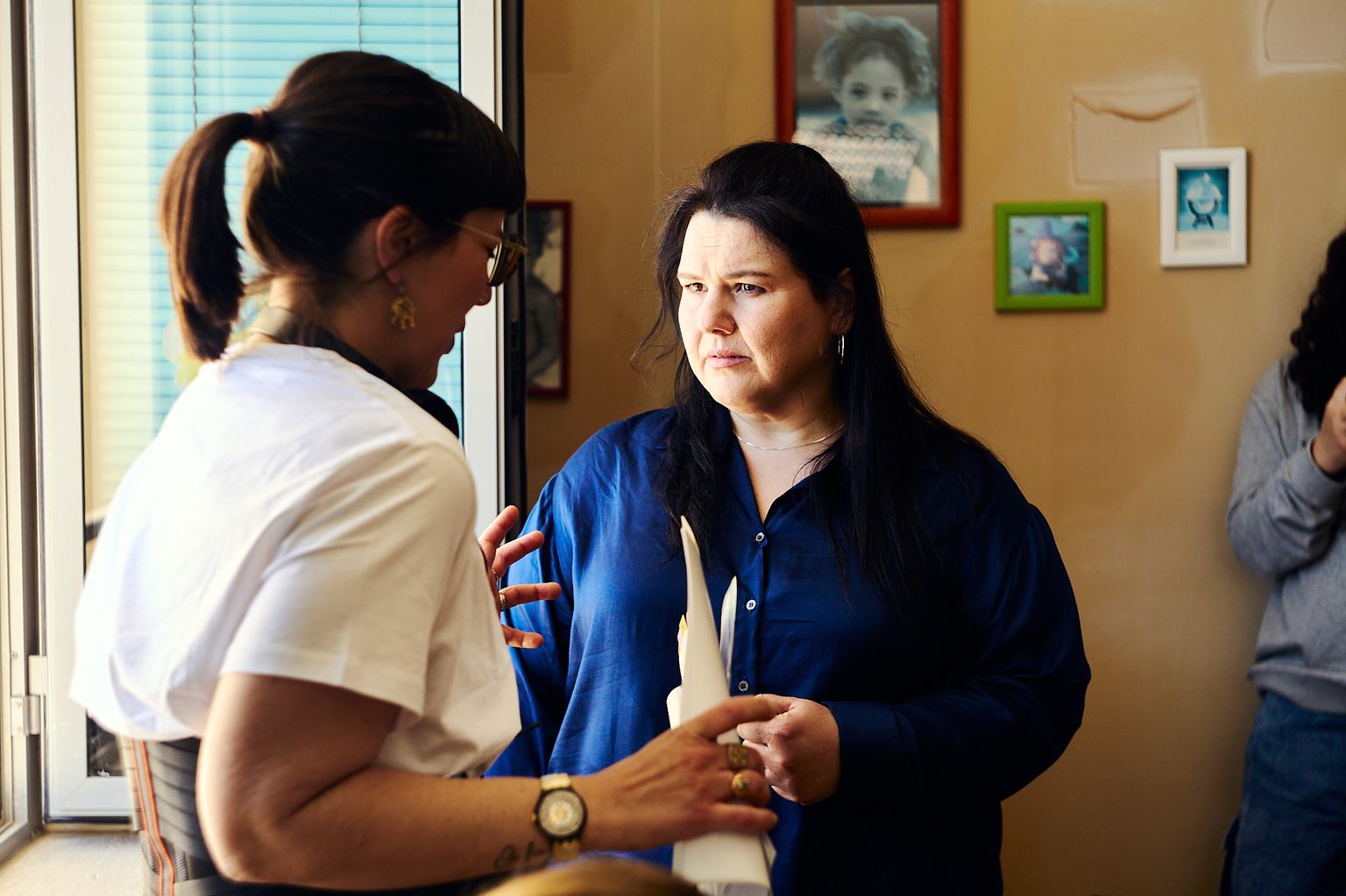
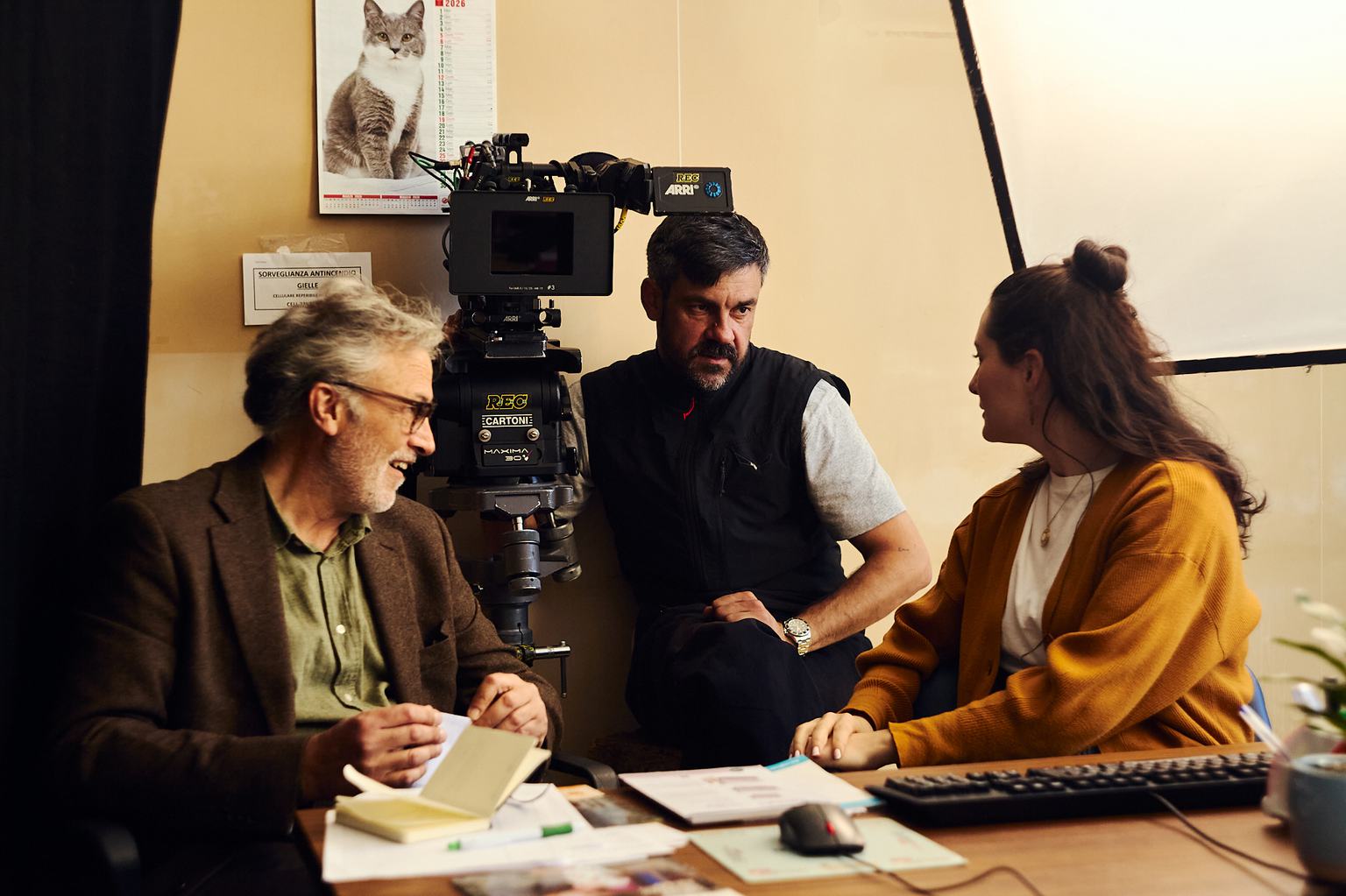
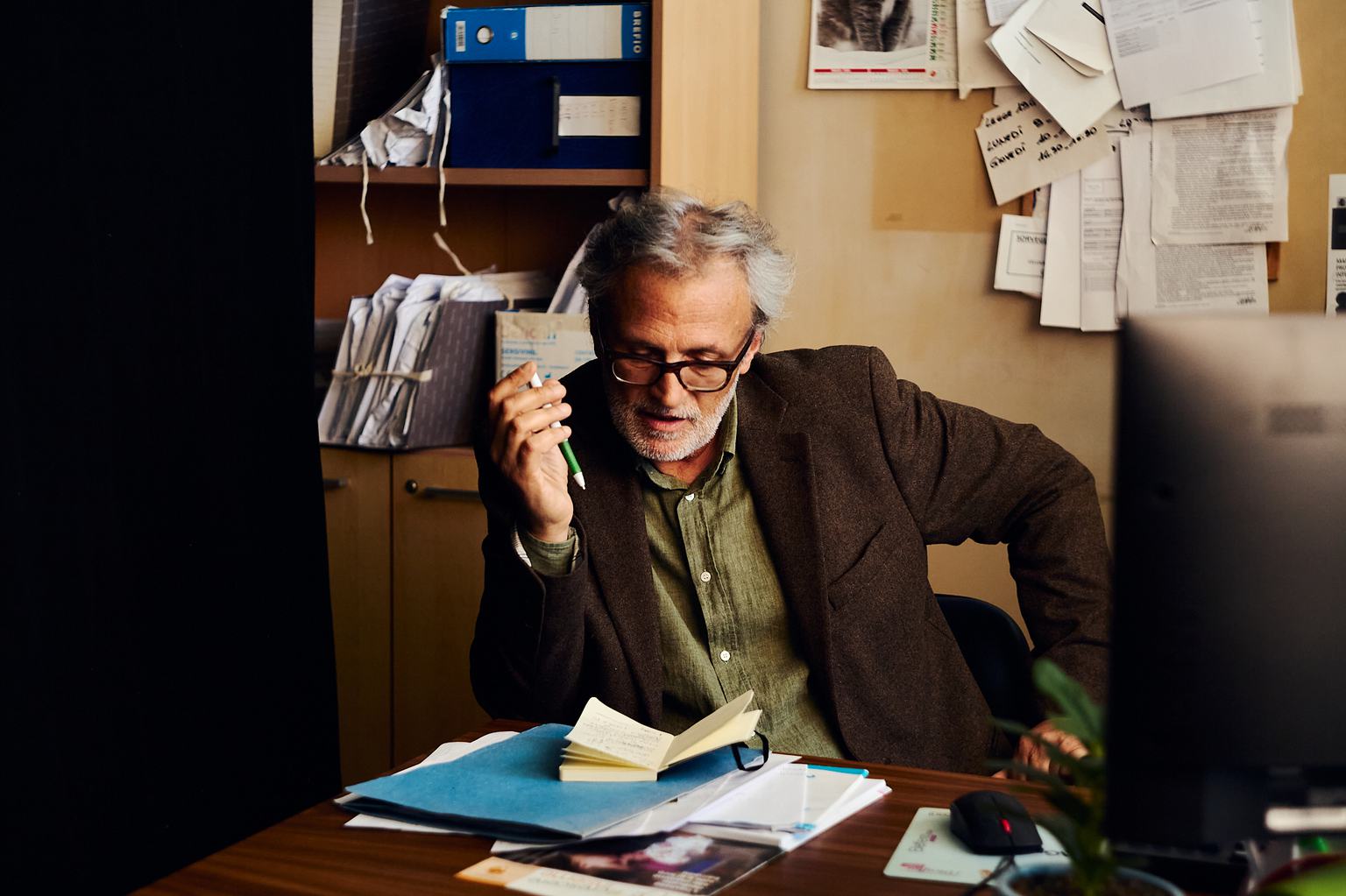
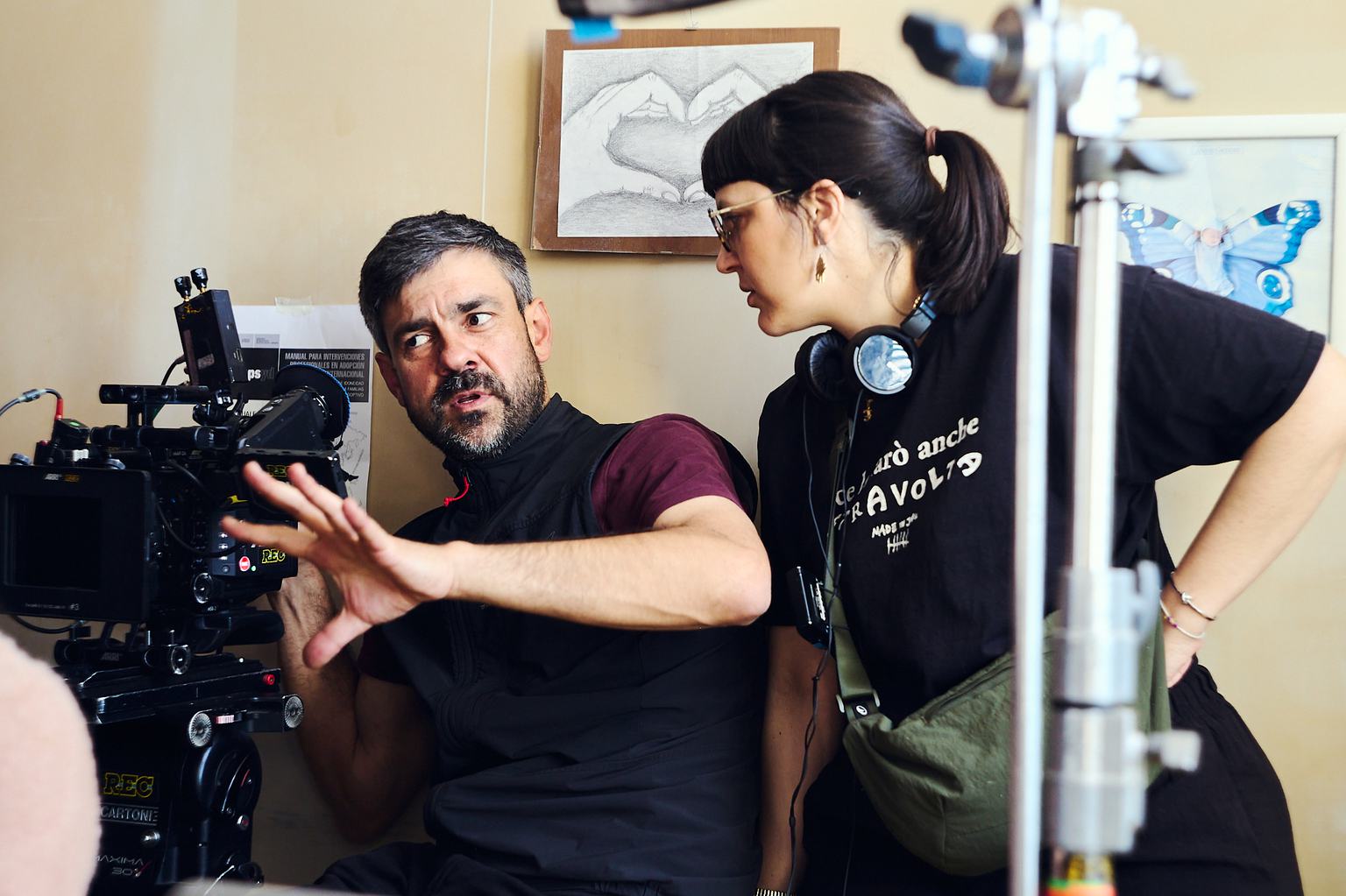
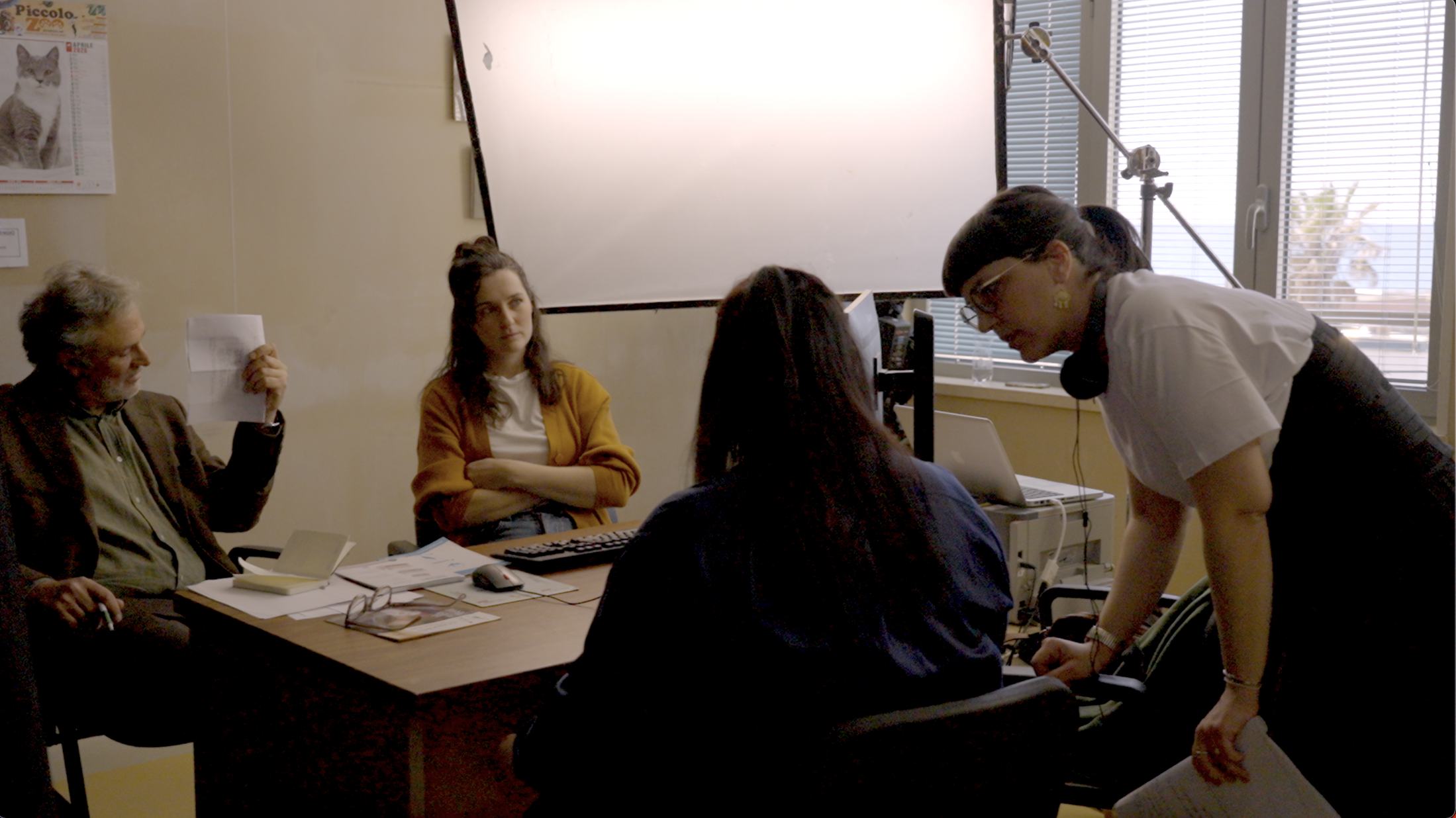
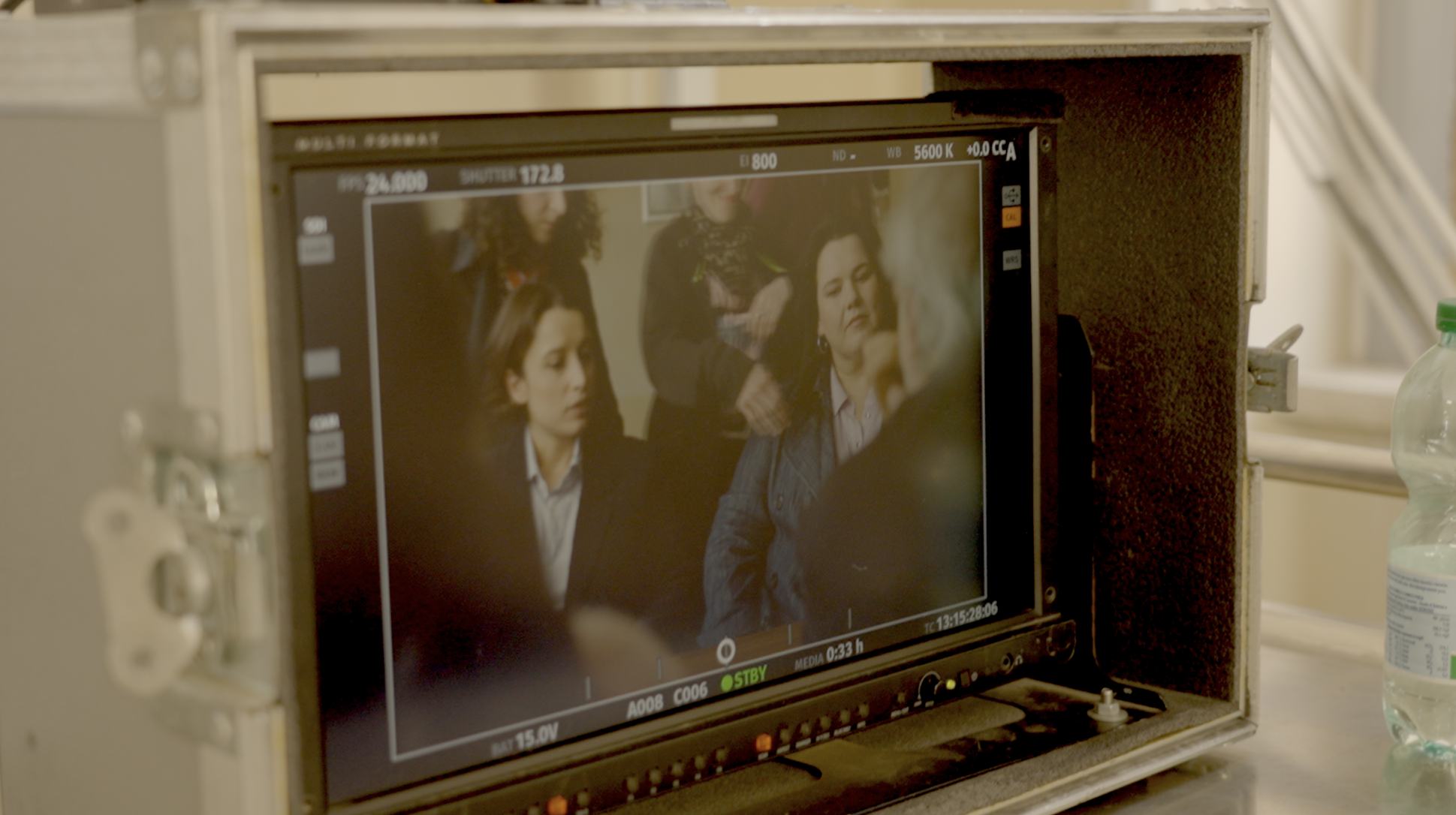
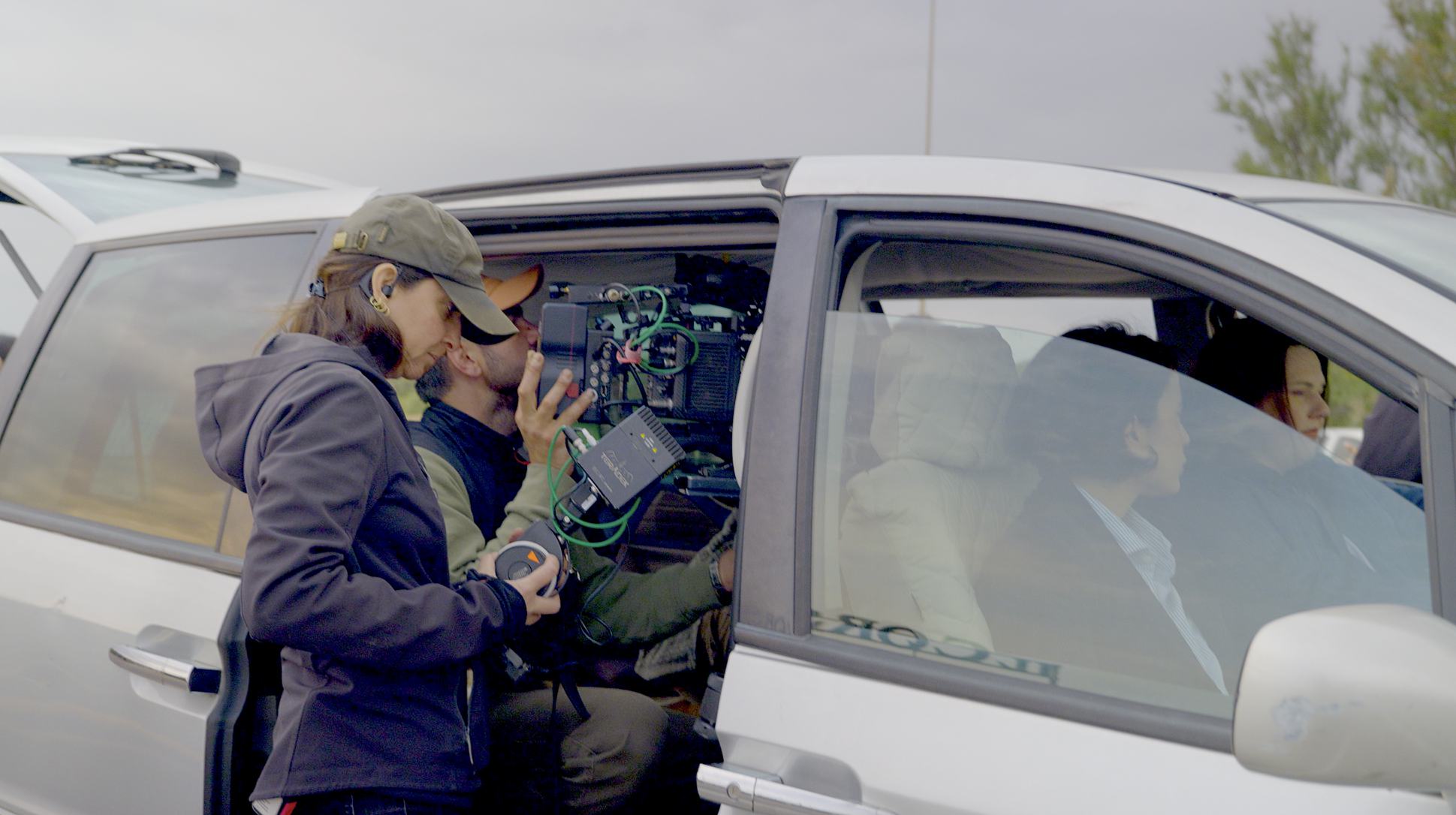
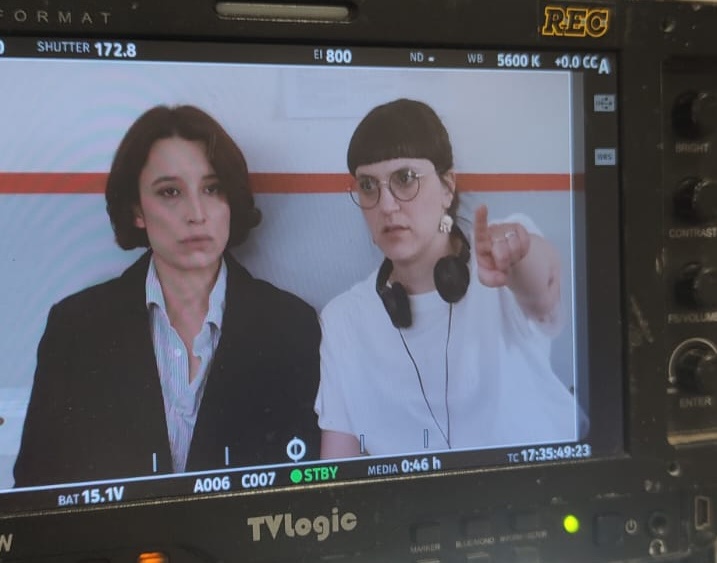
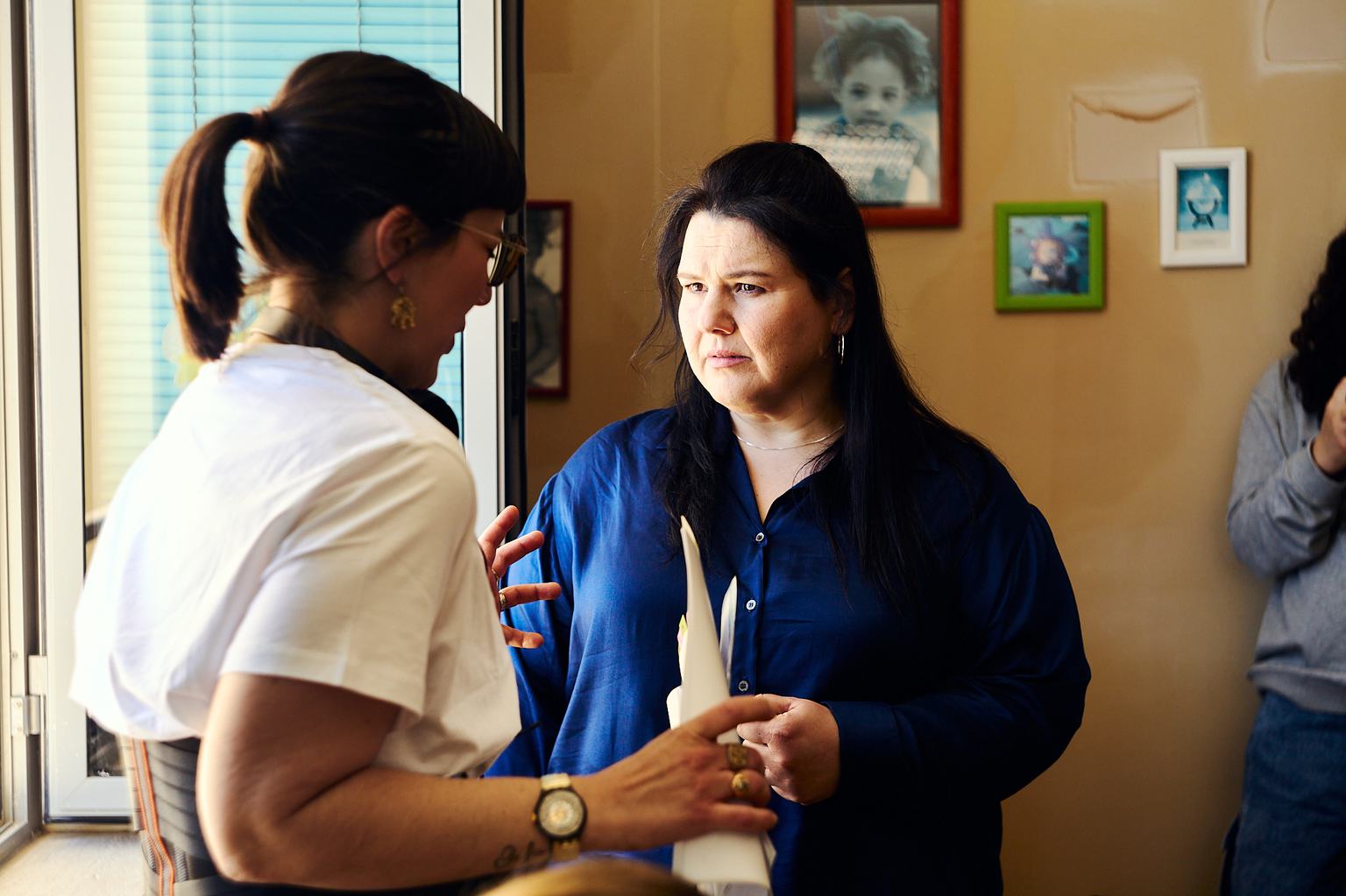
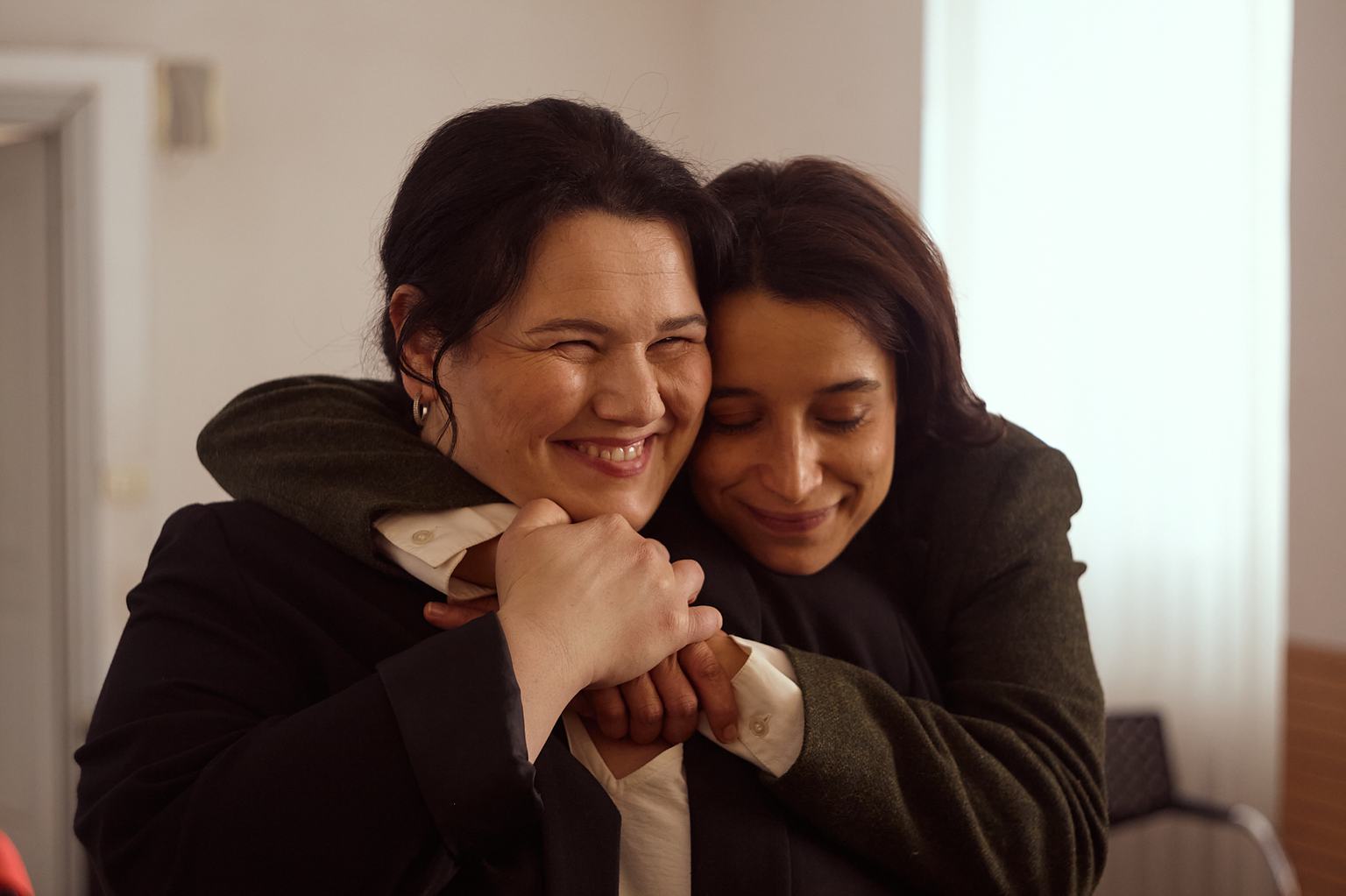
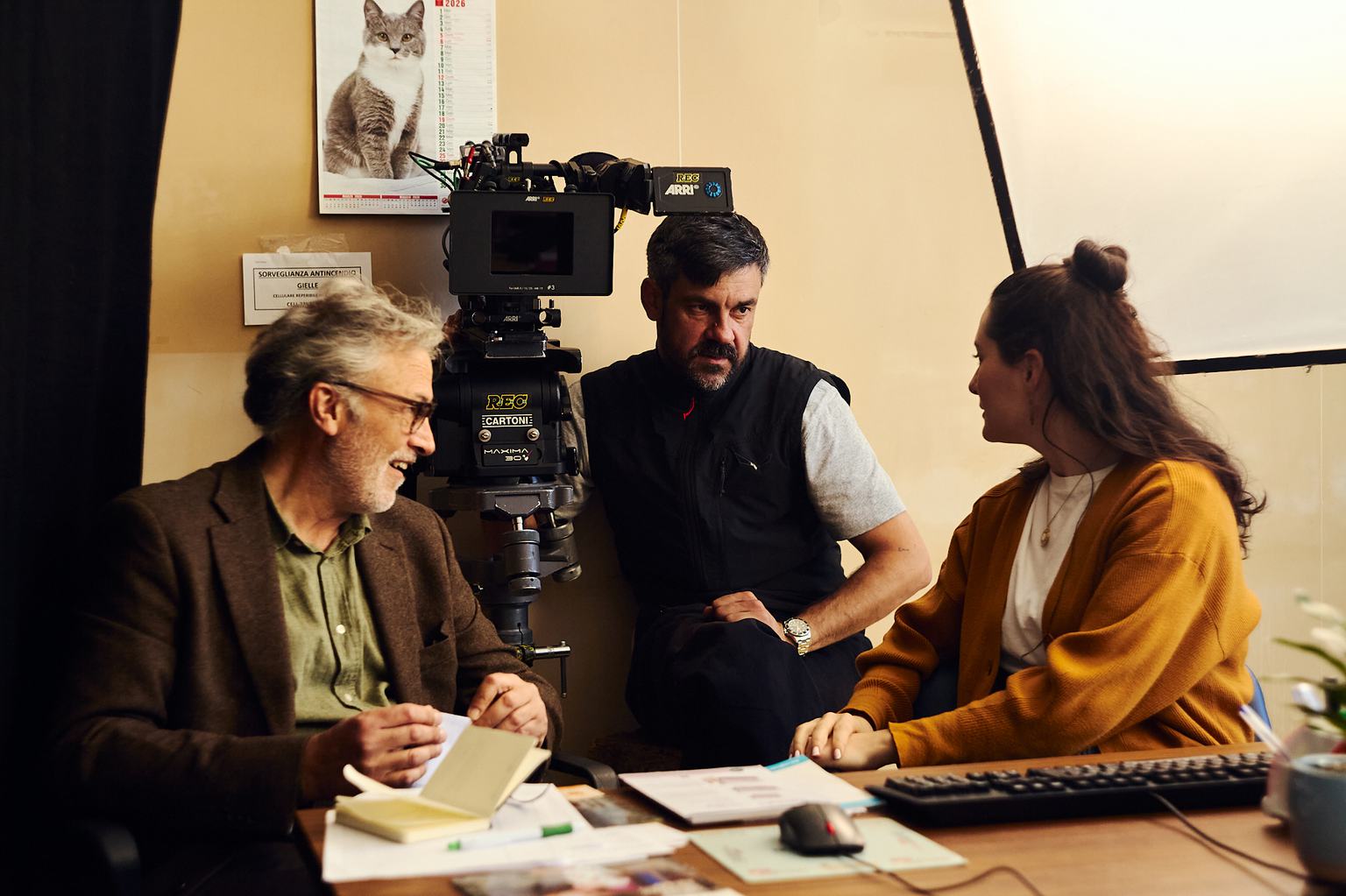
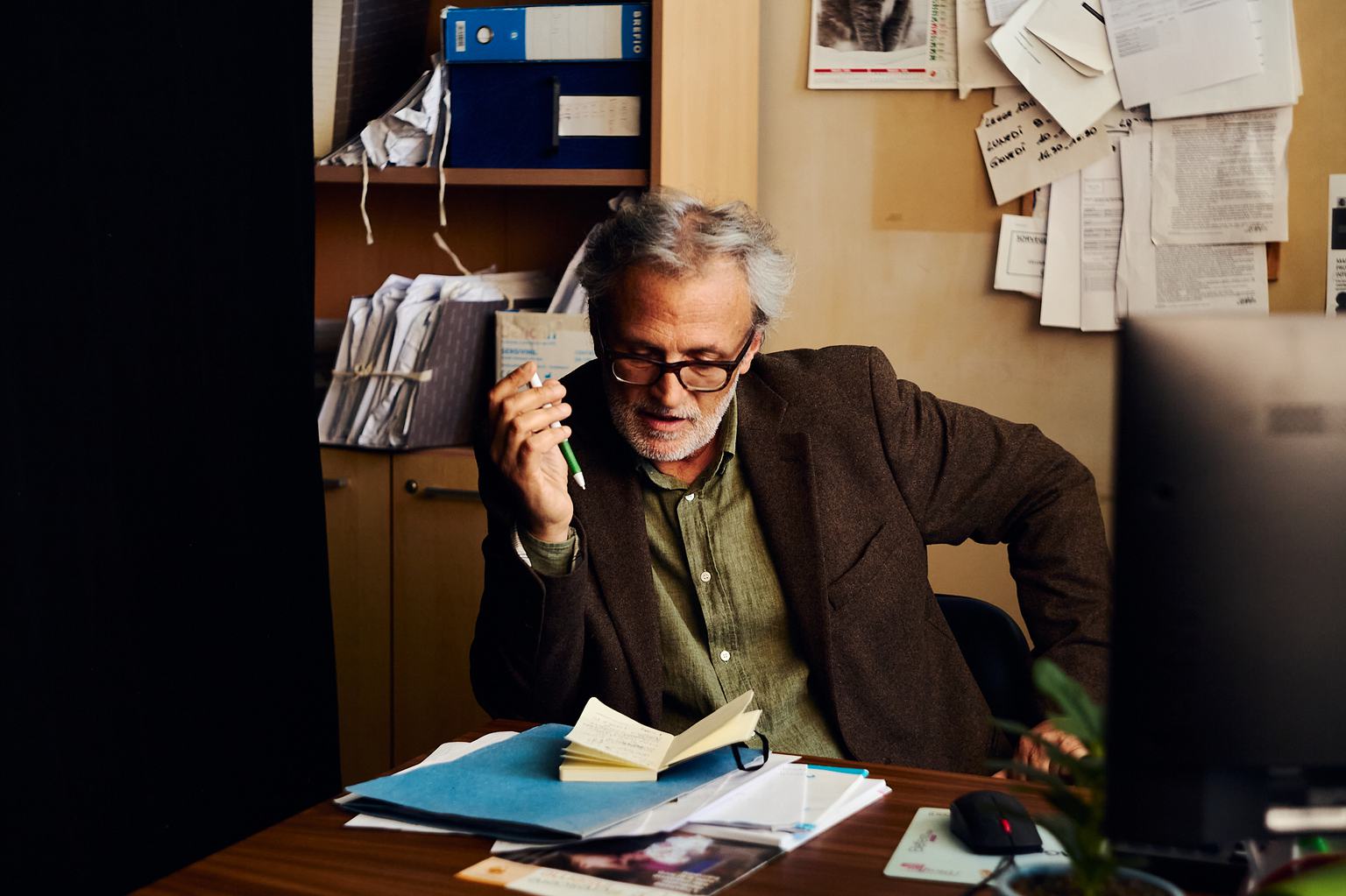
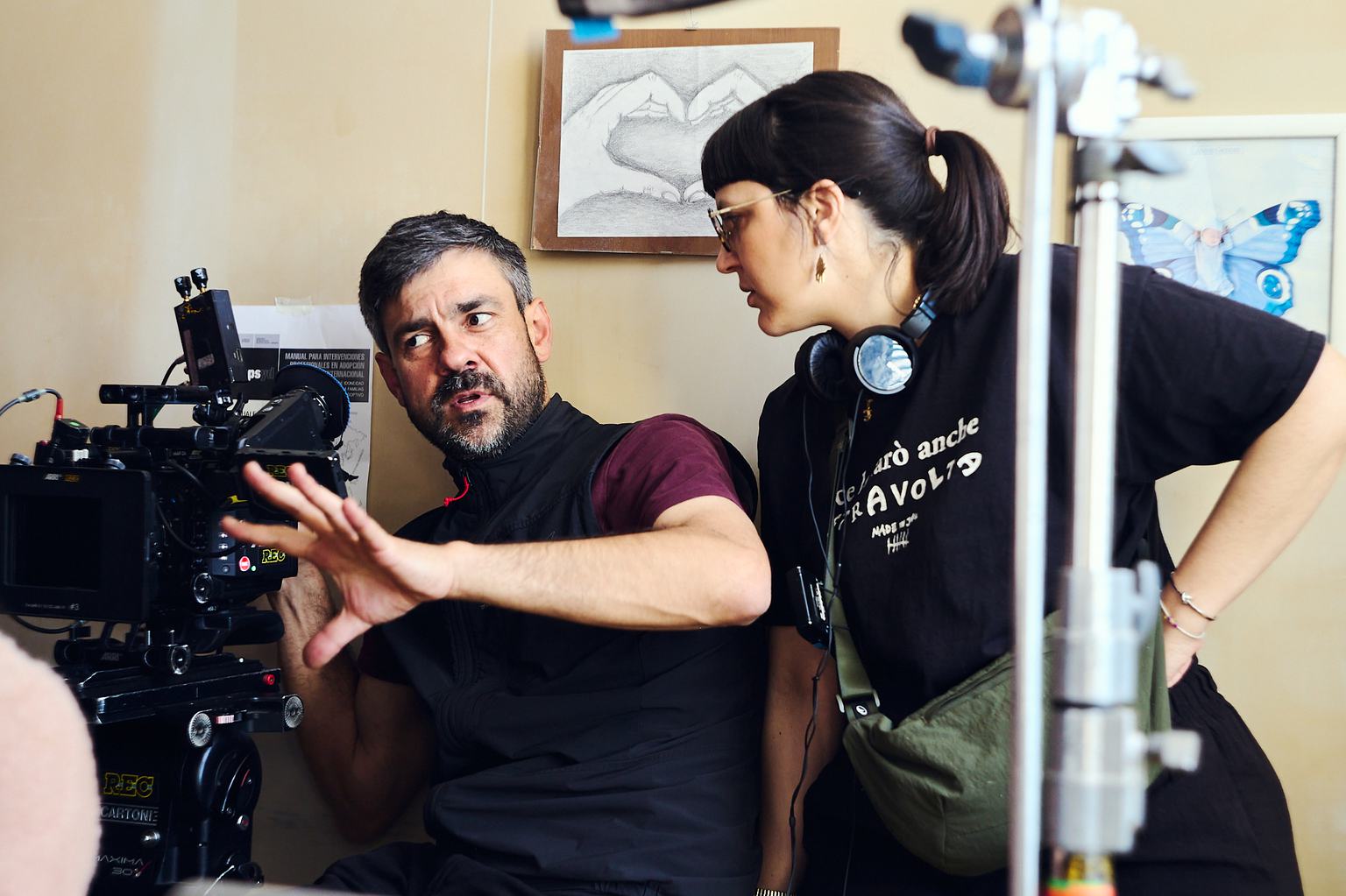
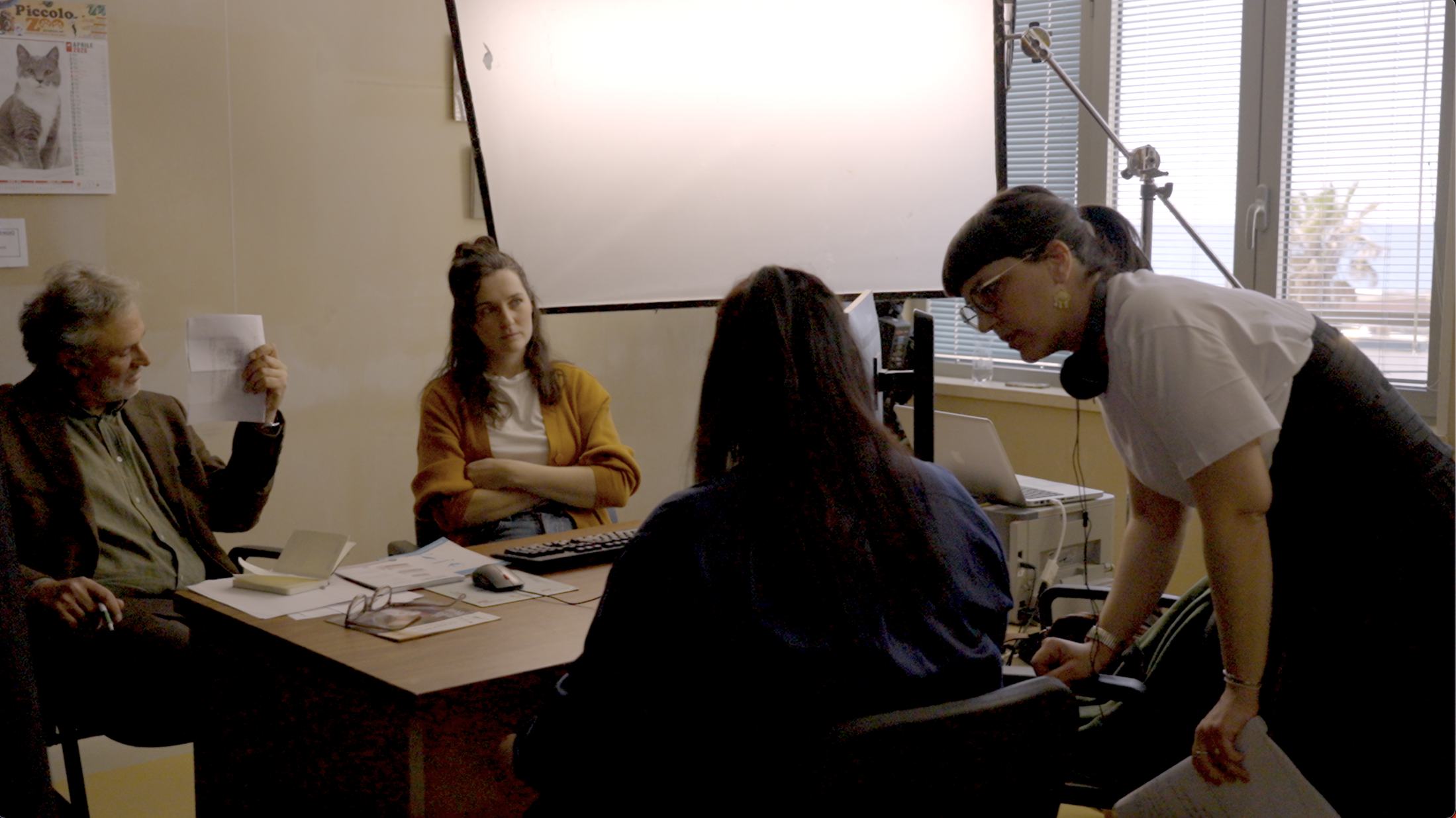
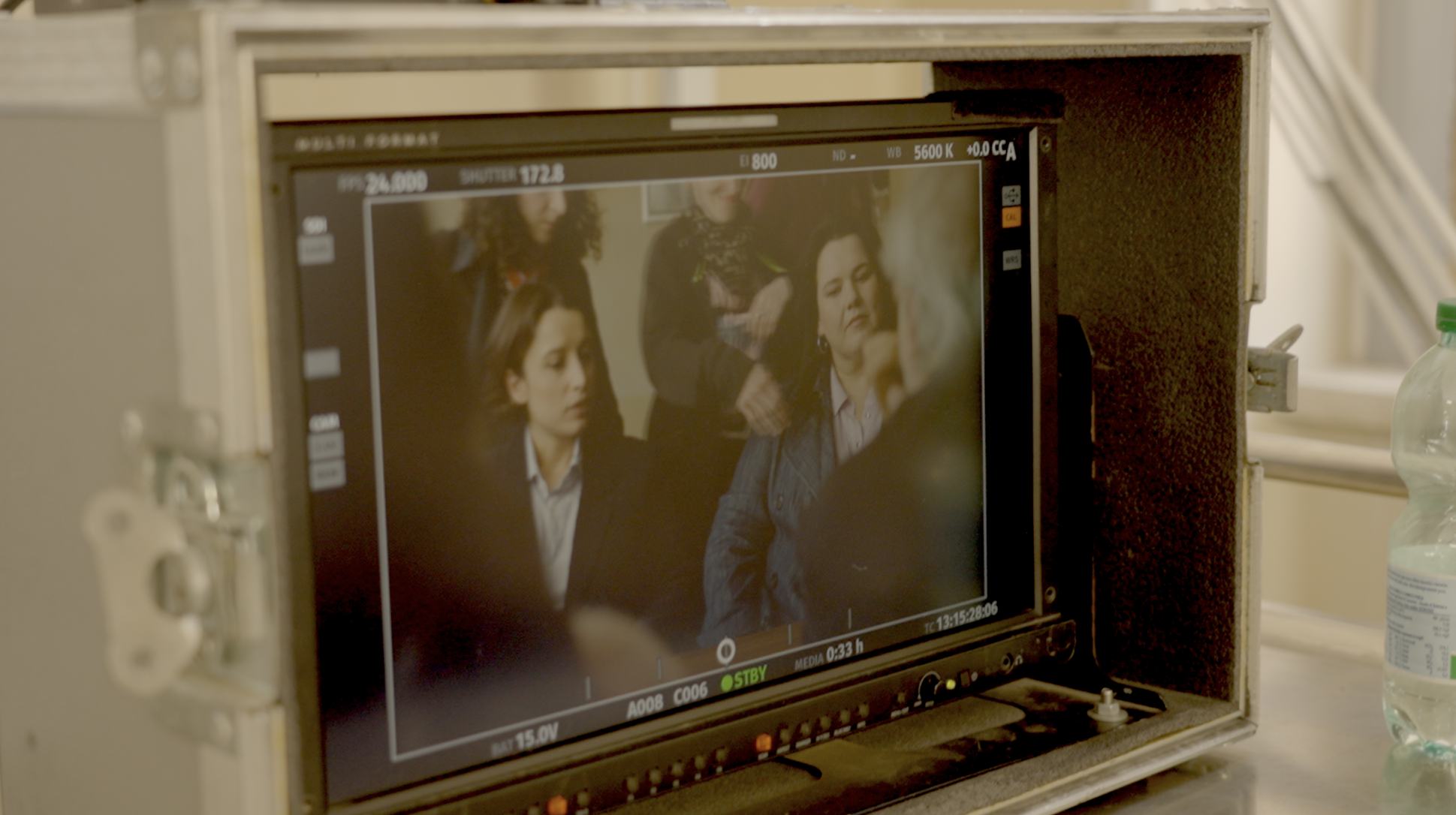
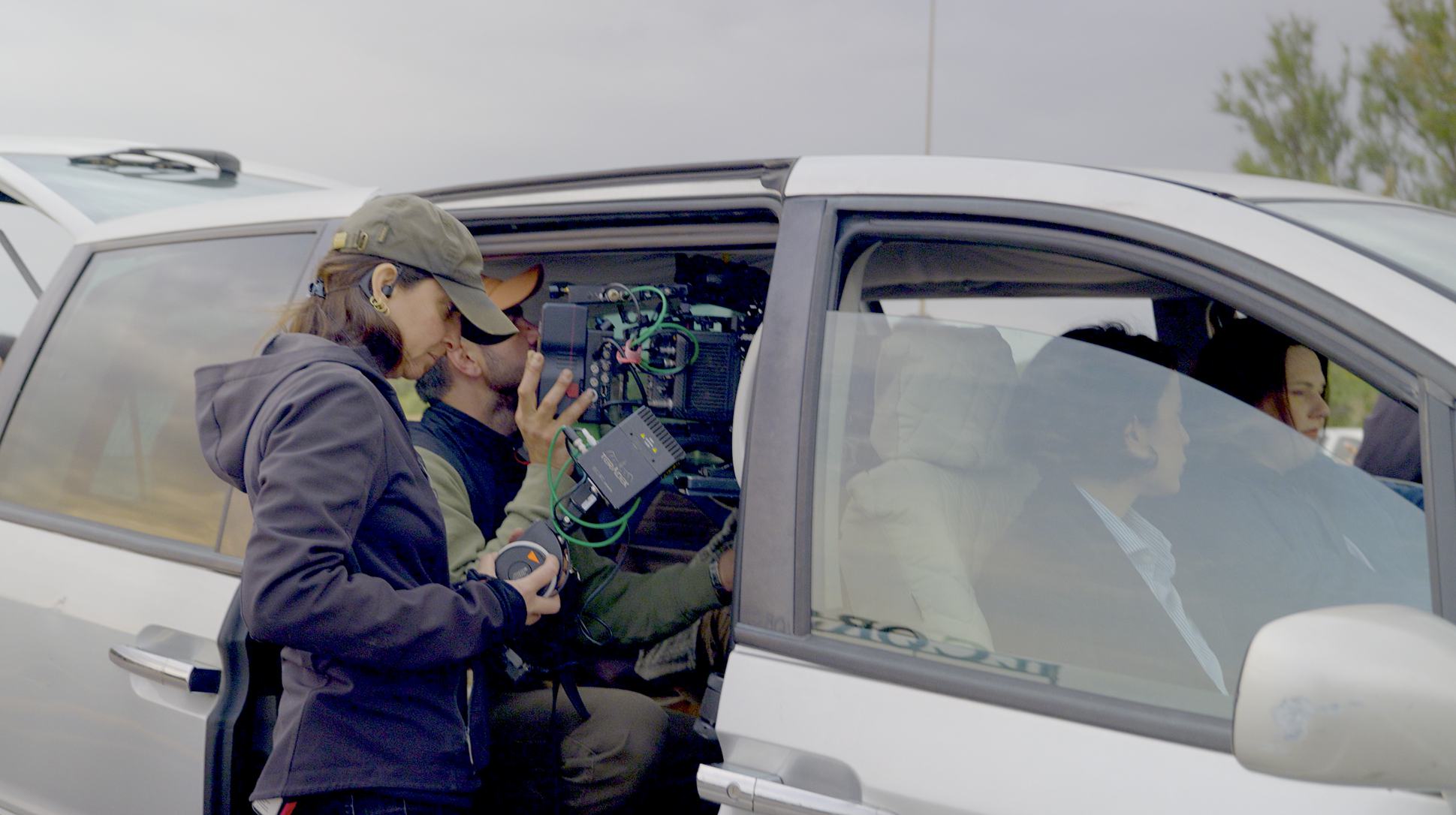
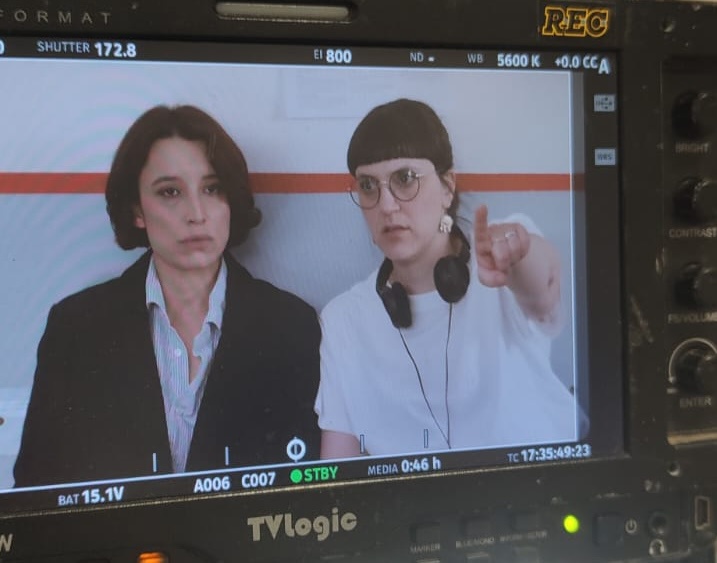
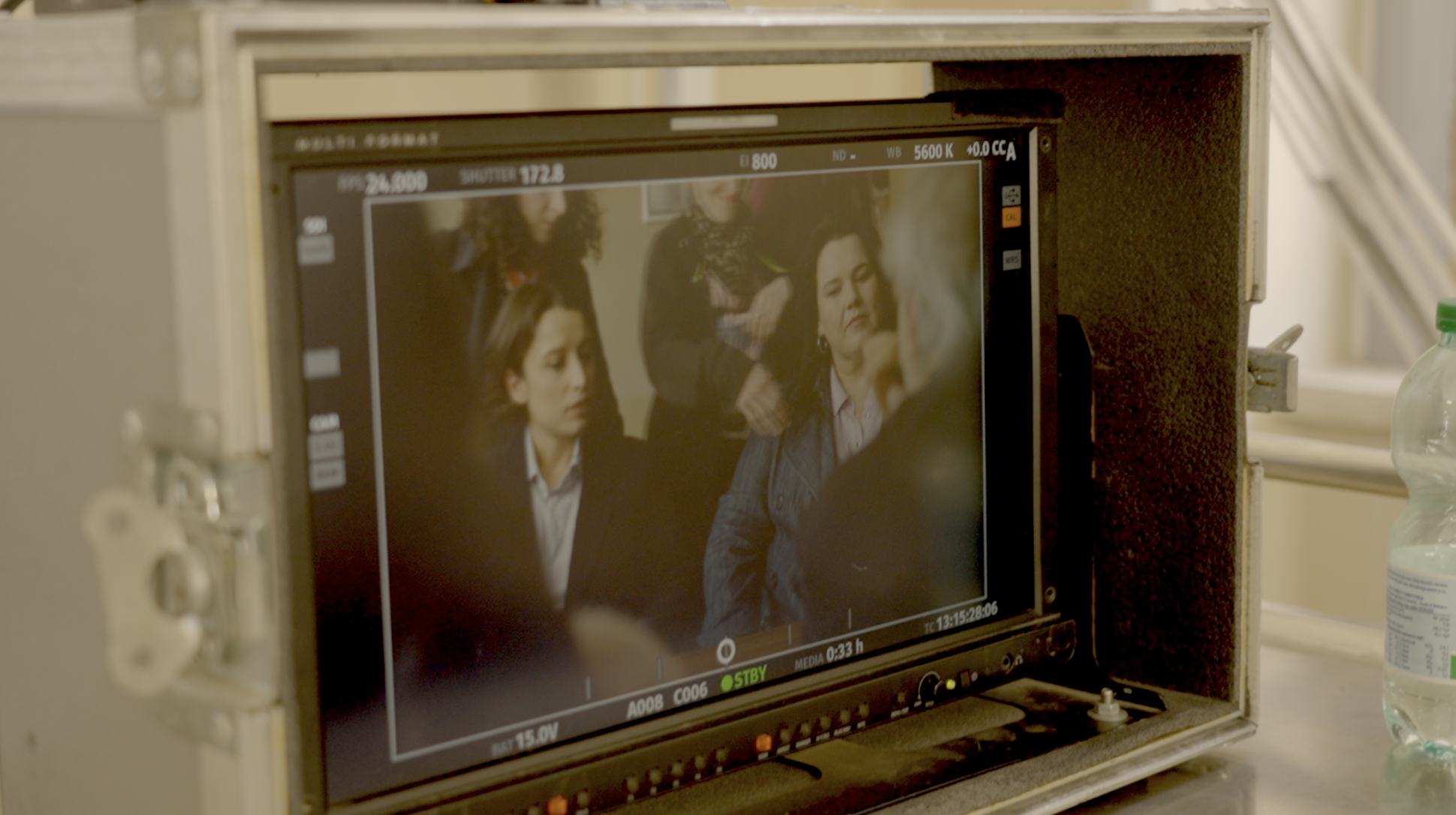
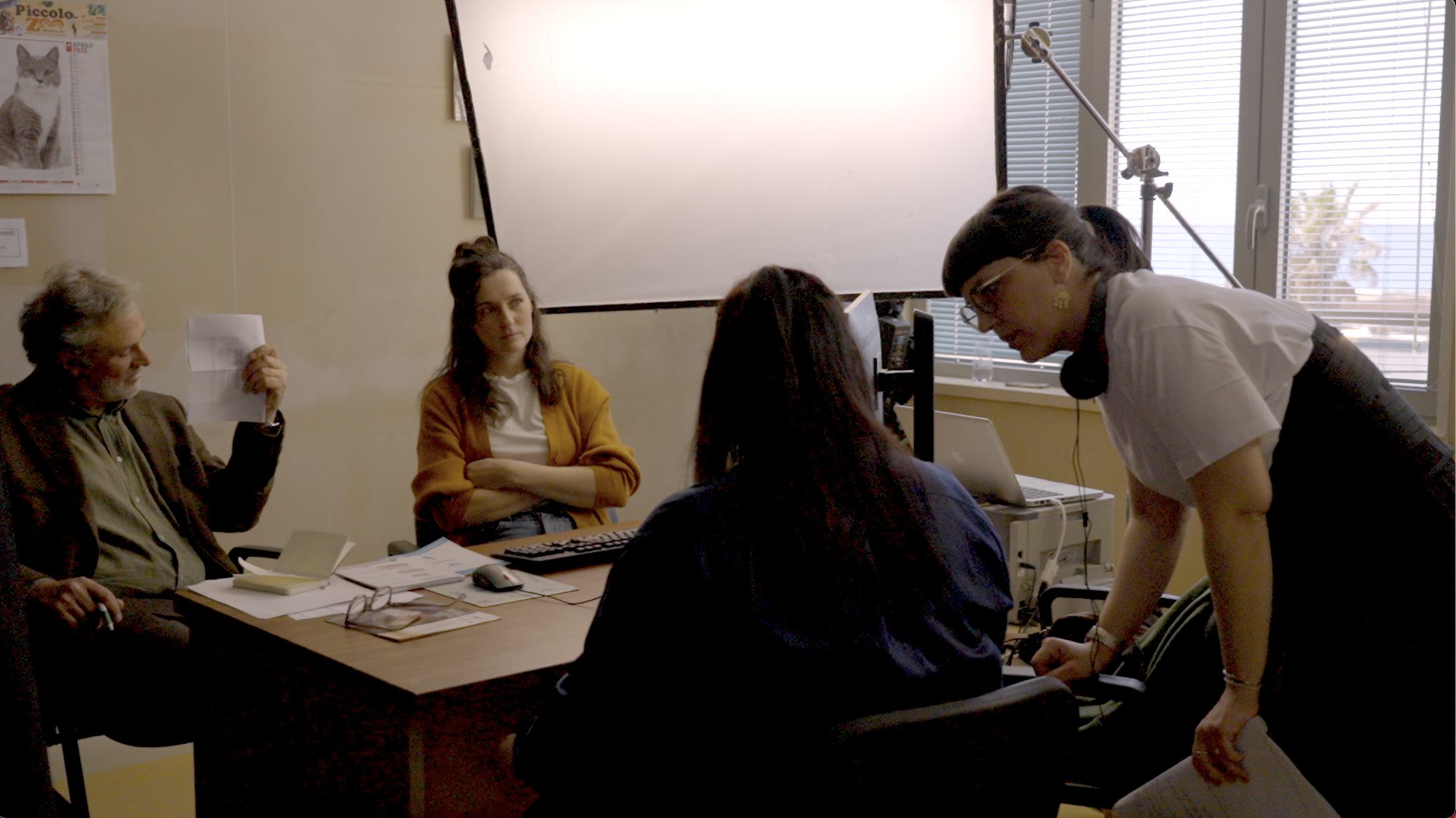
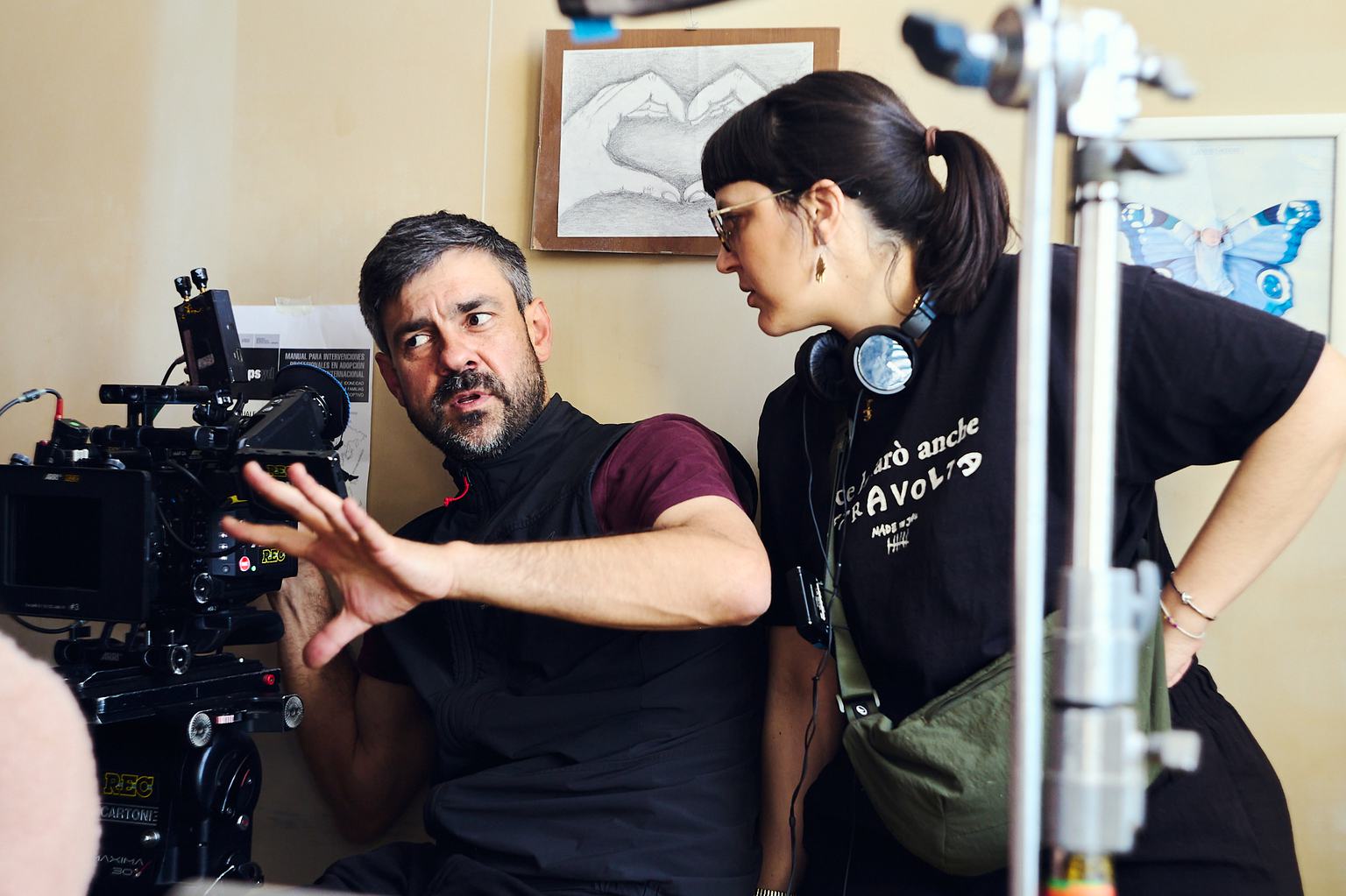
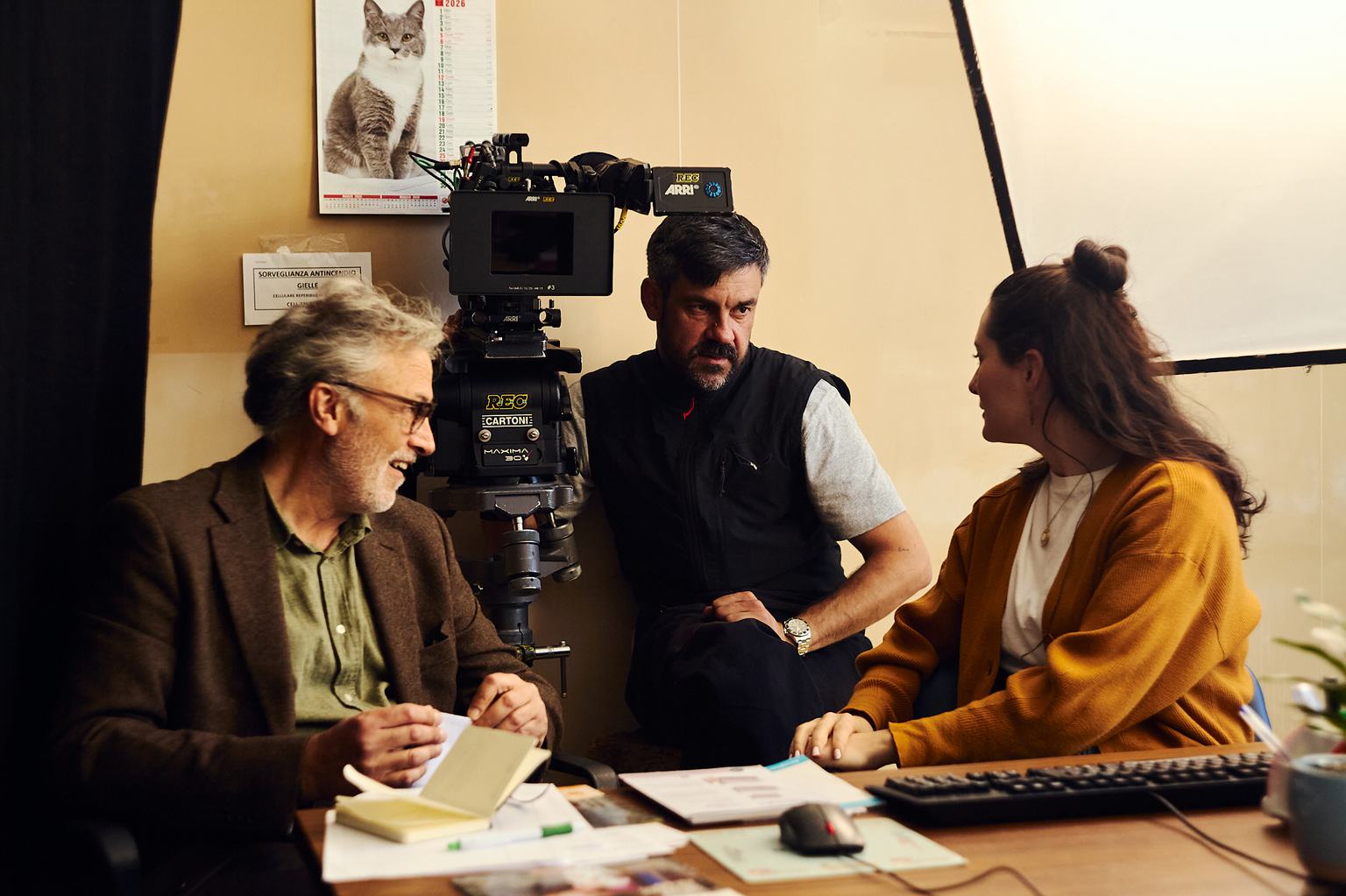
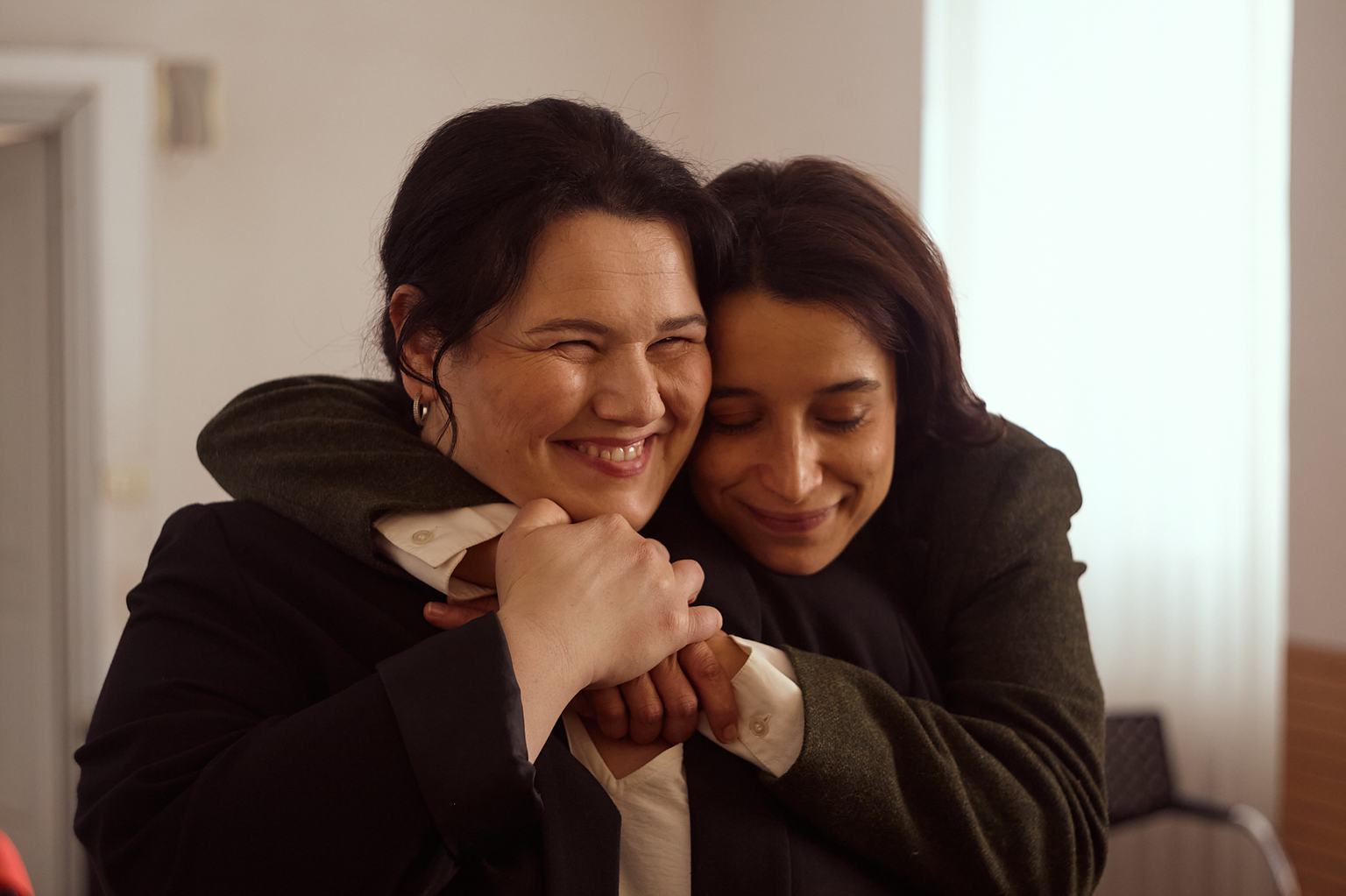
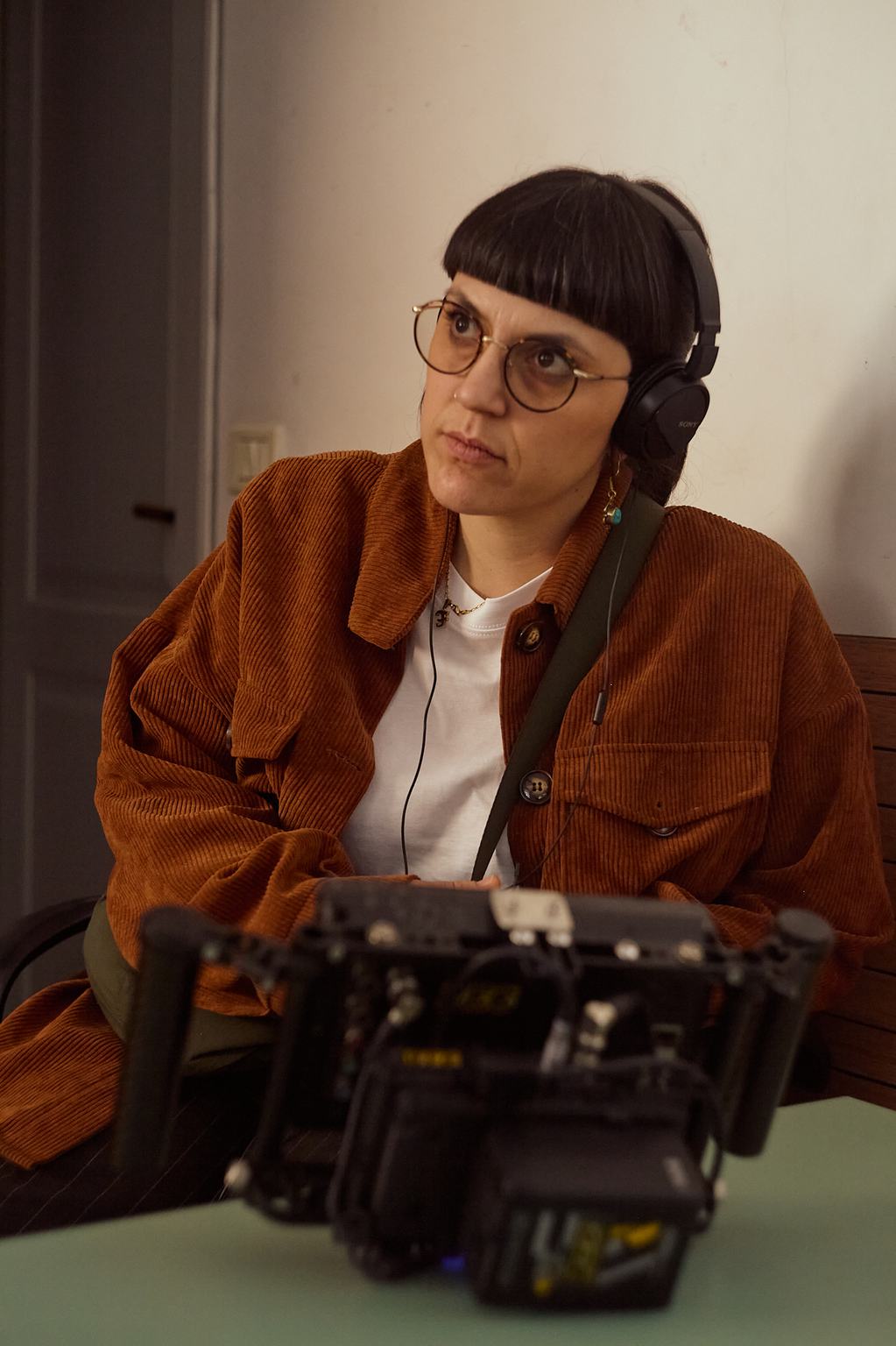
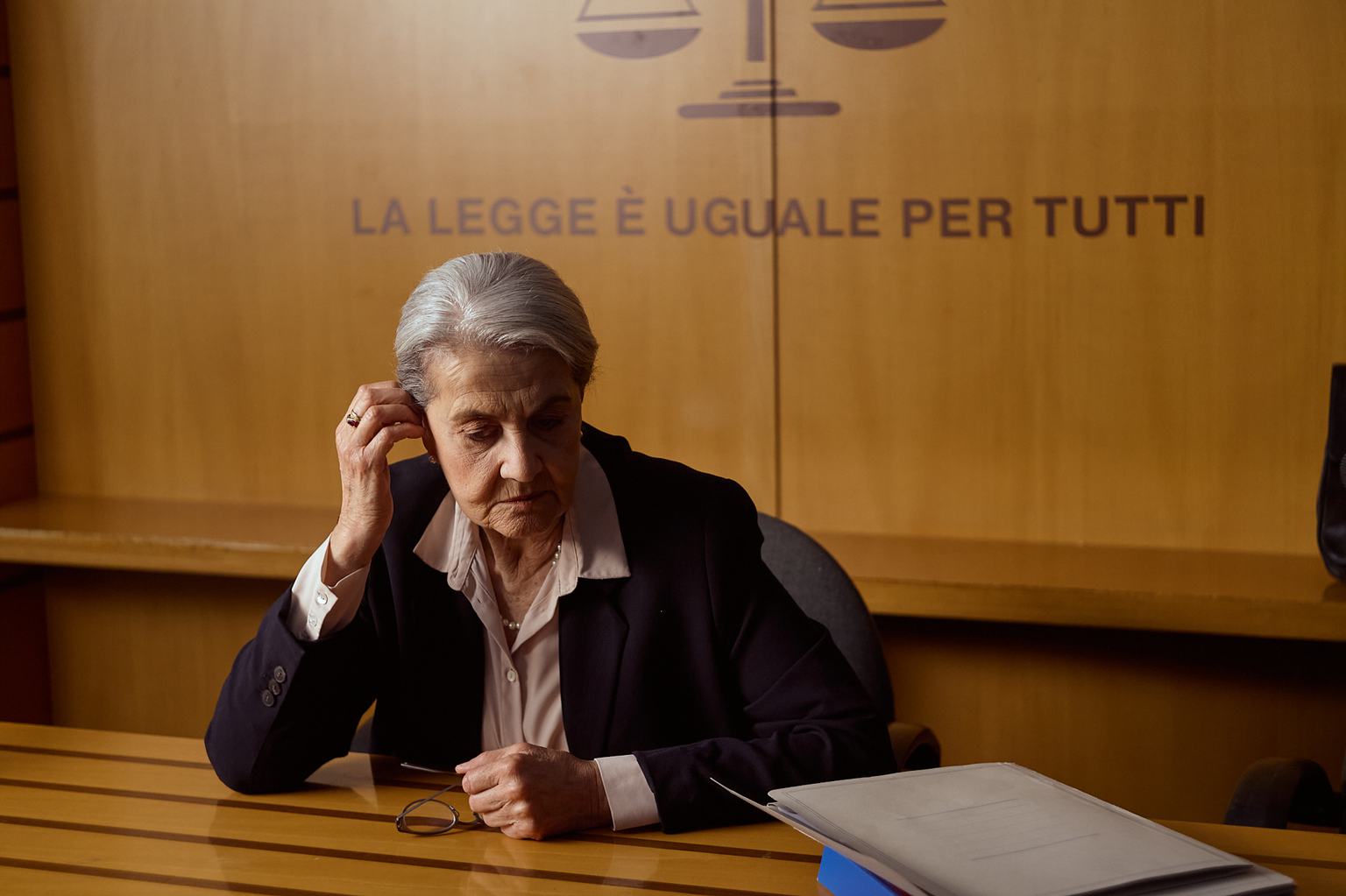
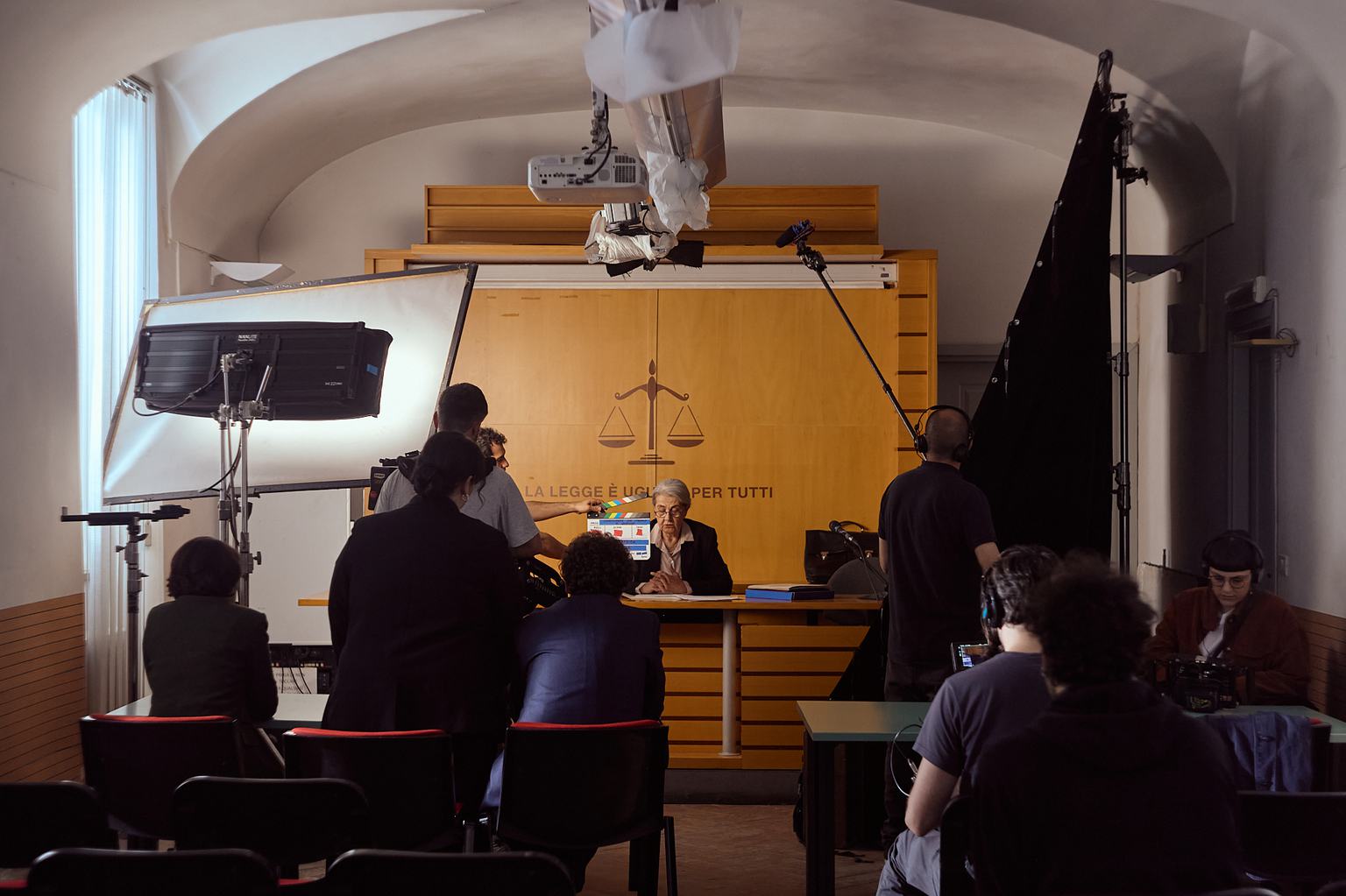
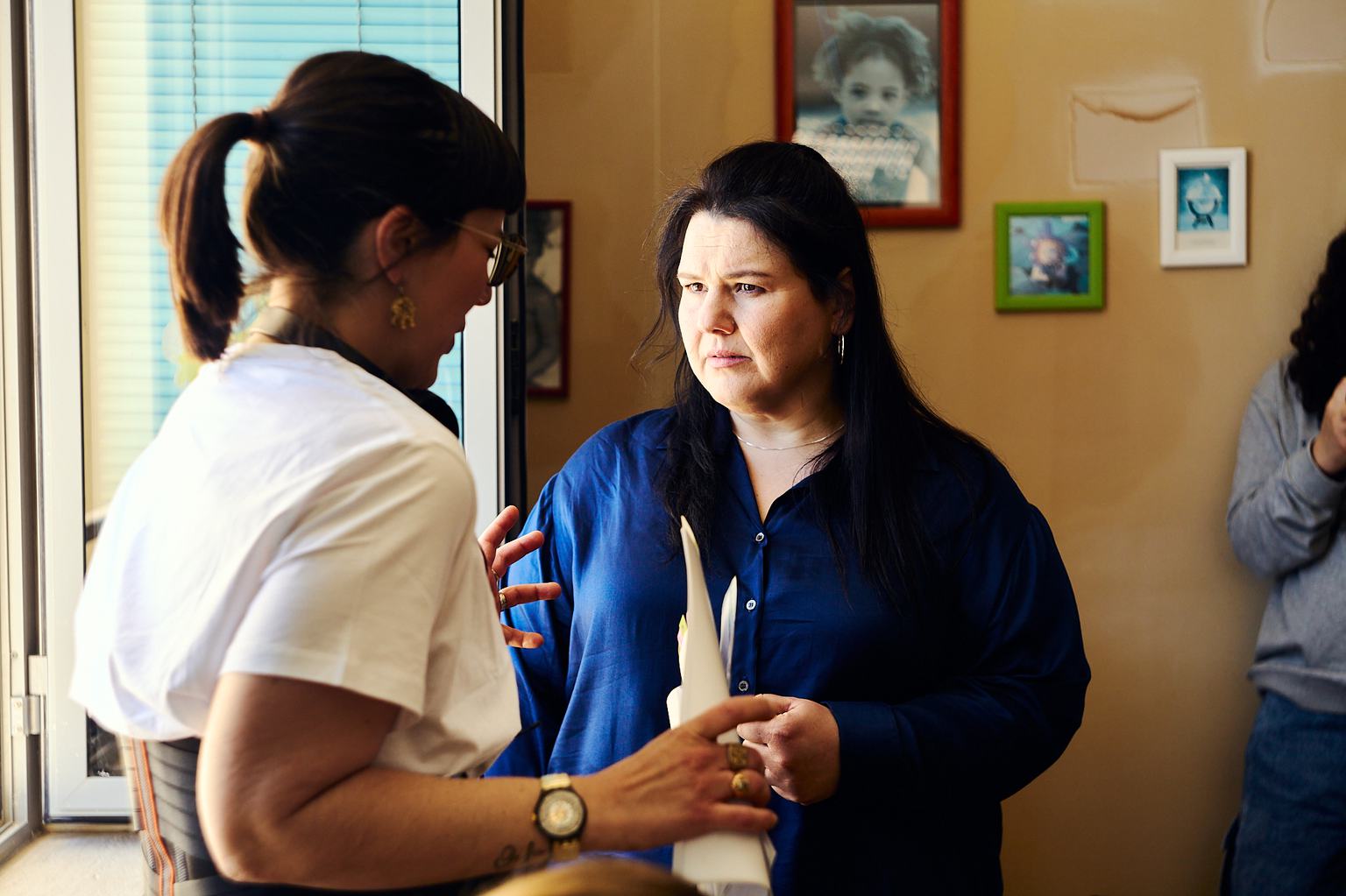
FOTO DI BACKSTAGE DAL SET!
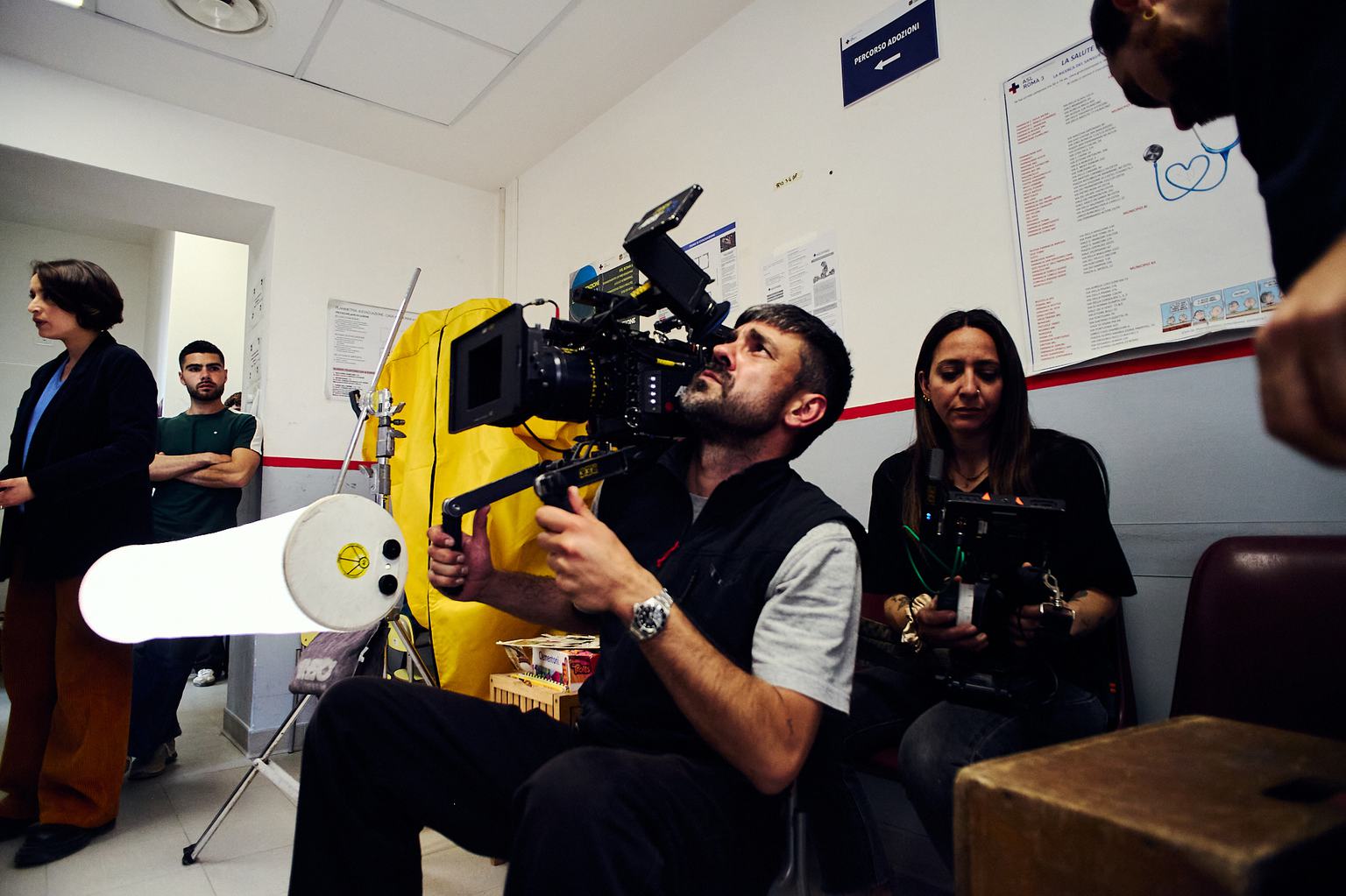
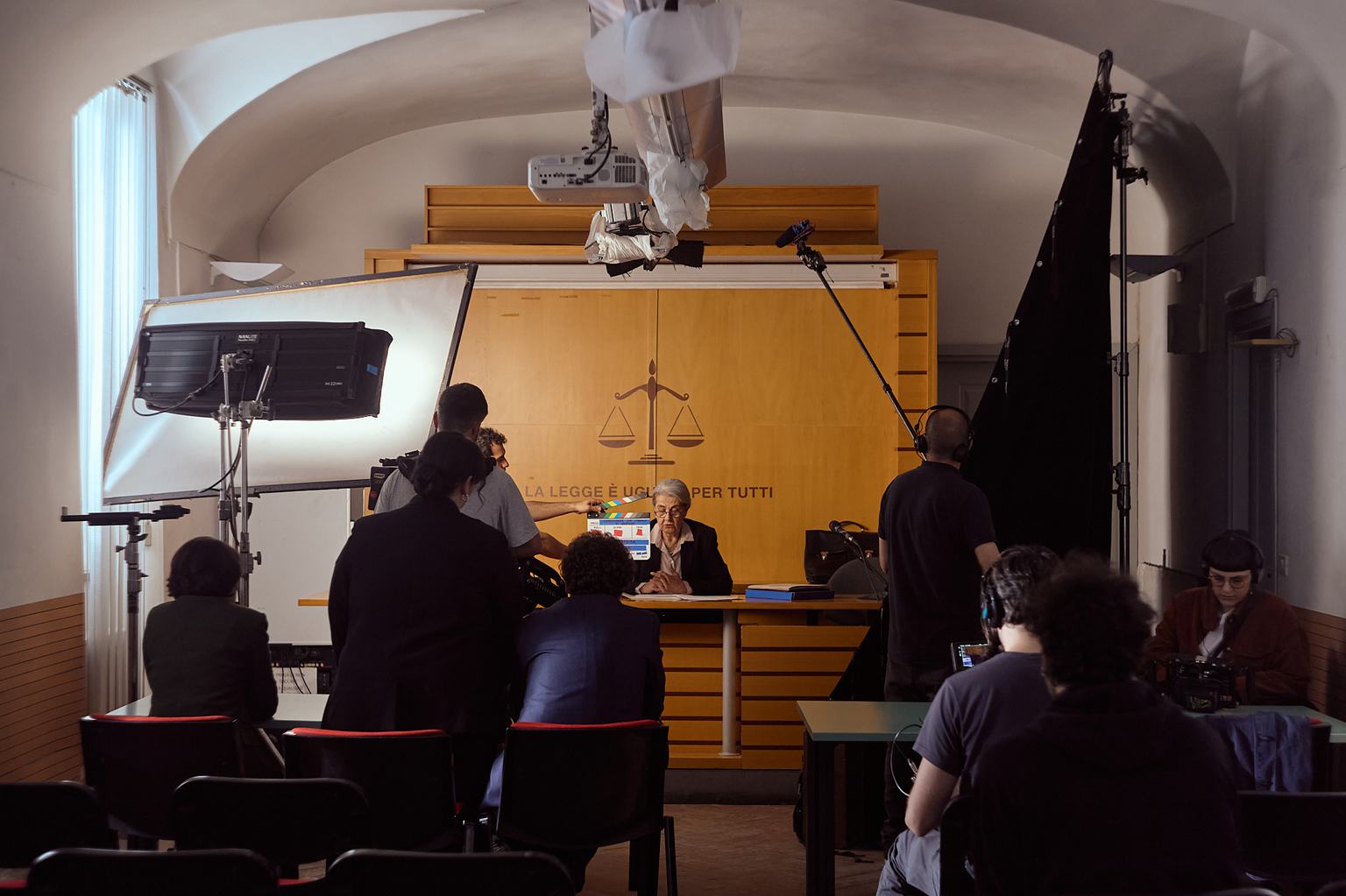
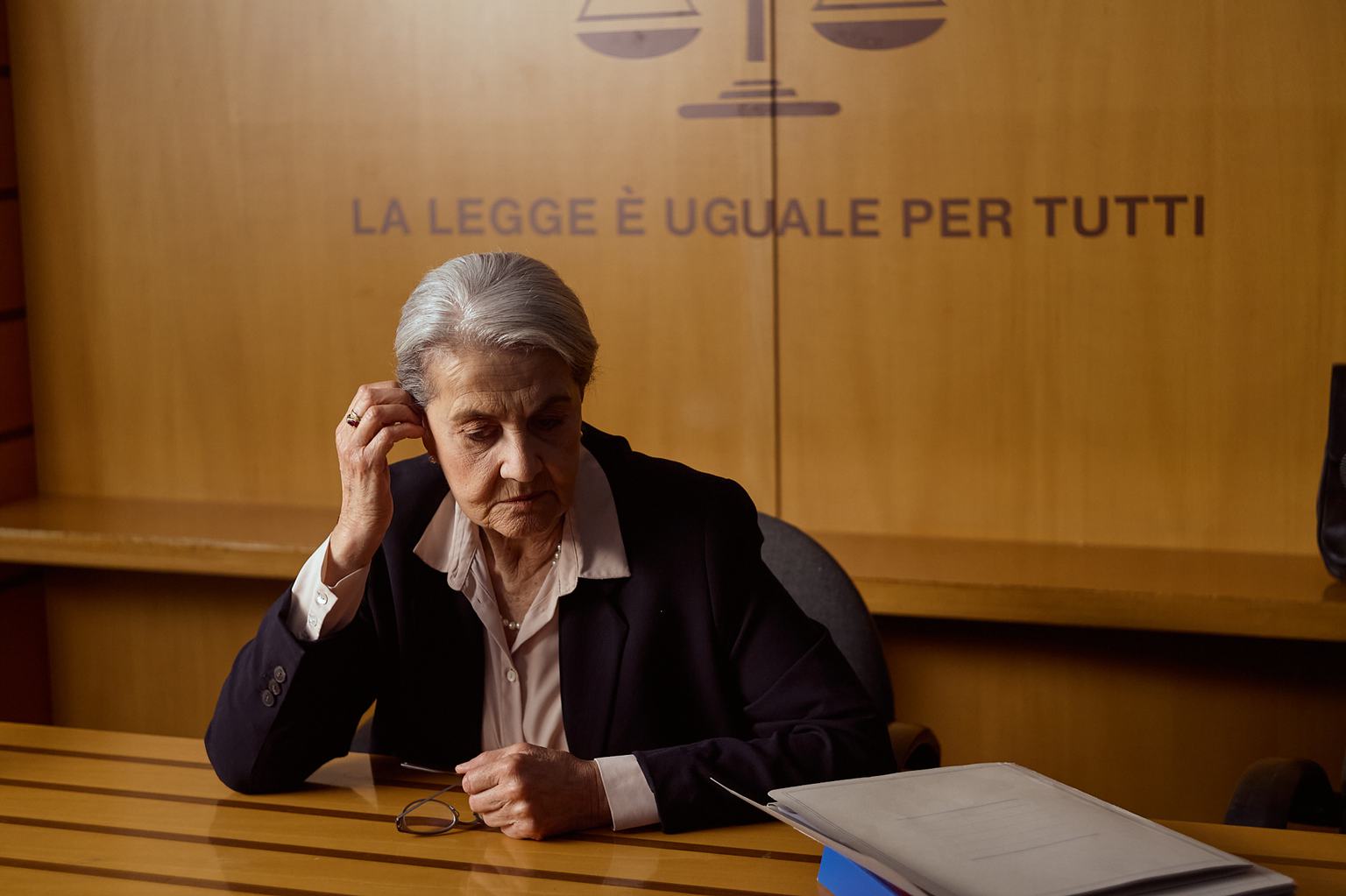
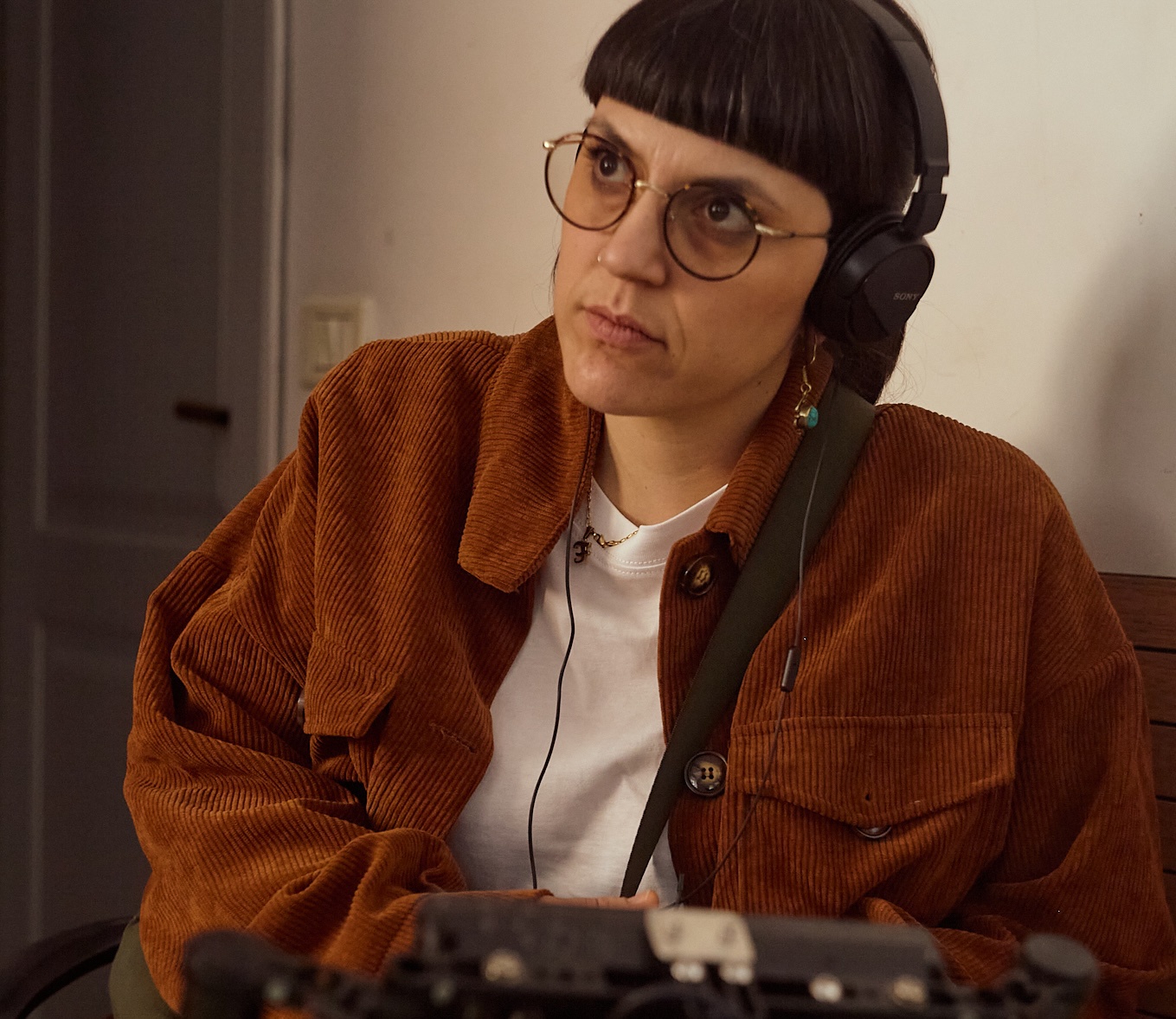
NOTE DI REGIA
La regia di questo film è concepita in totale accordo con la sua tematica e con le motivazioni che hanno portato a pensarlo e scriverlo: intensa, necessaria, senza orpelli.
L’attenzione più importante della regia è per la recitazione. L’importanza che do alla recitazione e alla direzione degli interpreti mi accompagna dai tempi in cui studiavo come attrice, dai tempi della mia tesi di diploma in regia intitolata “Il potere dell’attore” in cui sostenevo che se hai a disposizione “soltanto” un buon interprete, hai in mano un film, ma se hai soltanto una grande macchina da presa, non hai nulla in mano. E arriva fino ad oggi, quando come lavoro principale a fianco alla regia, mi occupo di Casting.
È così che ho conosciuto Rita Abela e Giorgia Spinelli, che saranno Anna e Cécile nel film: ad un provino. Hanno bucato la macchina da presa che tenevo in mano come assistente, e le ho portate nel cuore, riuscendo a fare poi con loro un cortometraggio, La vita magra, che ha unito le nostre strade.
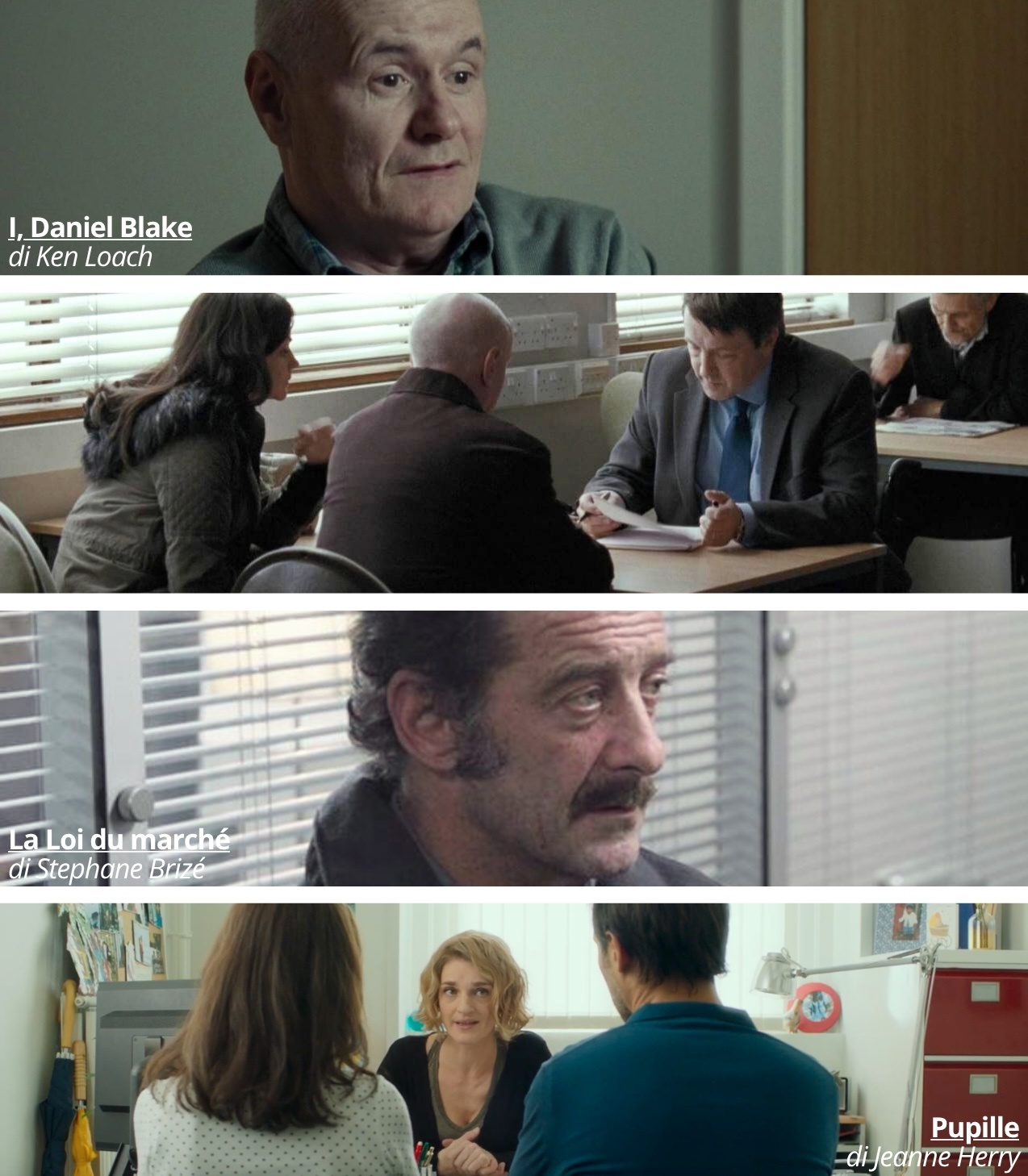
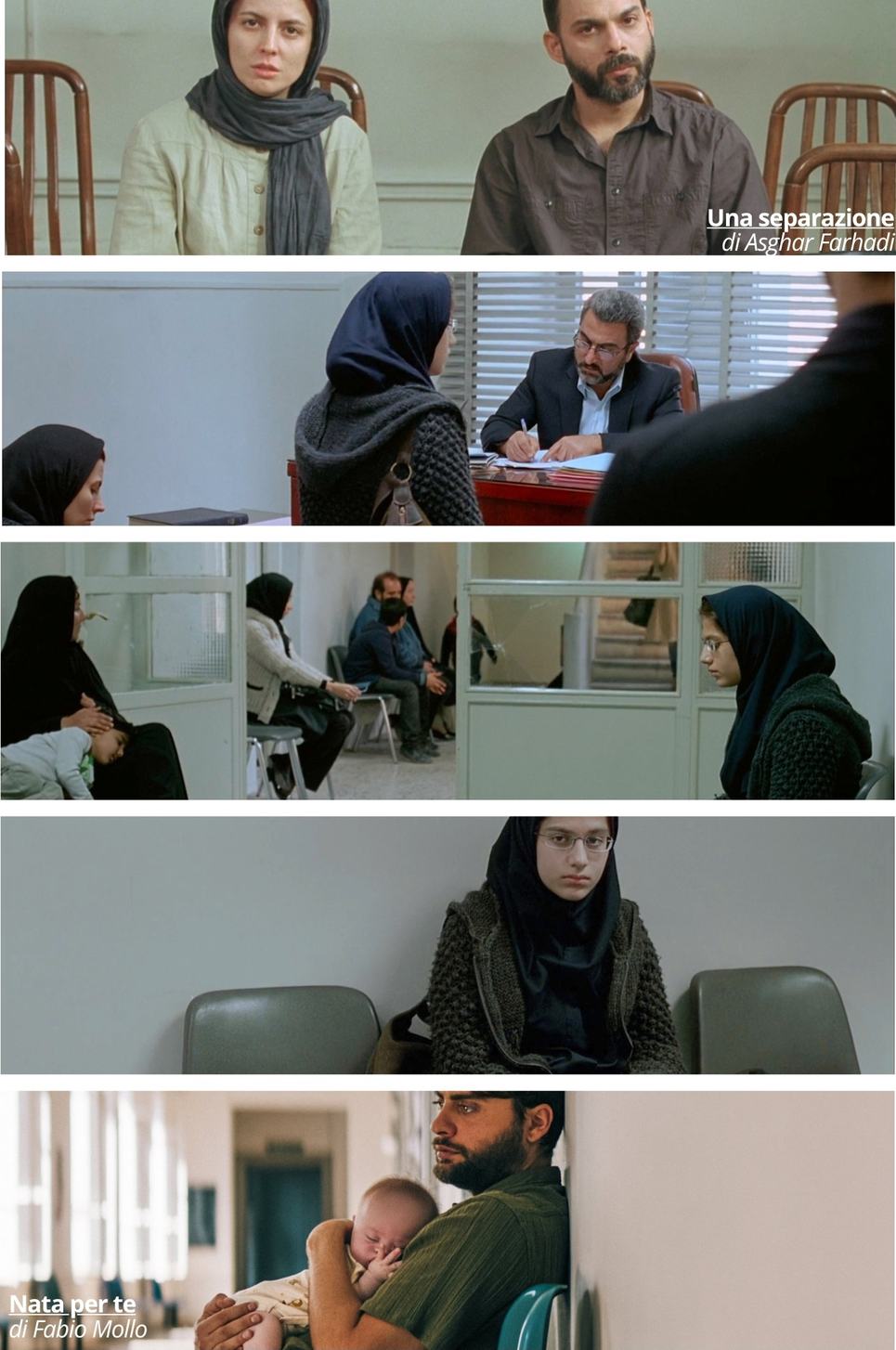
I miei riferimenti sono Ken Loach primo tra tutti, Asghar Farhadi,Andrea Arnold. Maestri di quel cinema che tratta i temi etici, politici, sociali, senza paura di sporcarsi le mani e di dire profonde verità, rifuggendo dai facili moralismi, ma soprattutto senza perdere la poesia e la maestria del cinema.
Gli altri Maestri a cui mi ispiro sono i registi che hanno fatto della recitazione il loro focus principale: John Cassavetes, Sam Mendes e oggi Sean Baker, Celine Song, Chloé Zaho.
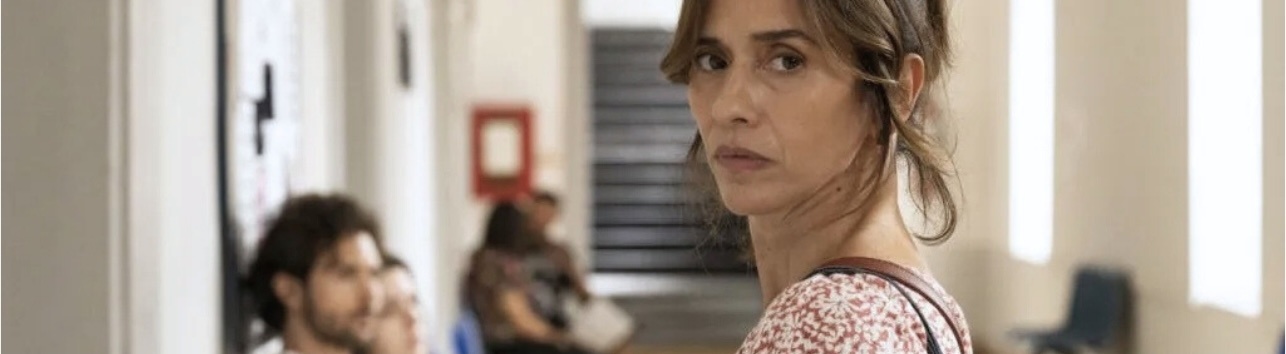
Quella che ho in mente non è una regia invisibile a servizio della recitazione, bensì a sostegno della storia e della recitazione: che abbia come priorità la scelta dell’inquadratura, del cosa e come inquadrare, del contesto scenografico, della restituzione di una verità esterna del contesto e interiore dei personaggi, una fotografia cruda, “sporca”, come la vita.
Per realizzare questo grande obiettivo artistico, non basta la mia direzione: il cinema è un’arte collettiva e dunque io sono direttrice, sì, ma di un’orchestra di talenti e professionisti che portano il loro prezioso contributo in una grande visione condivisa.
MOODBOARD
LE LOCATION
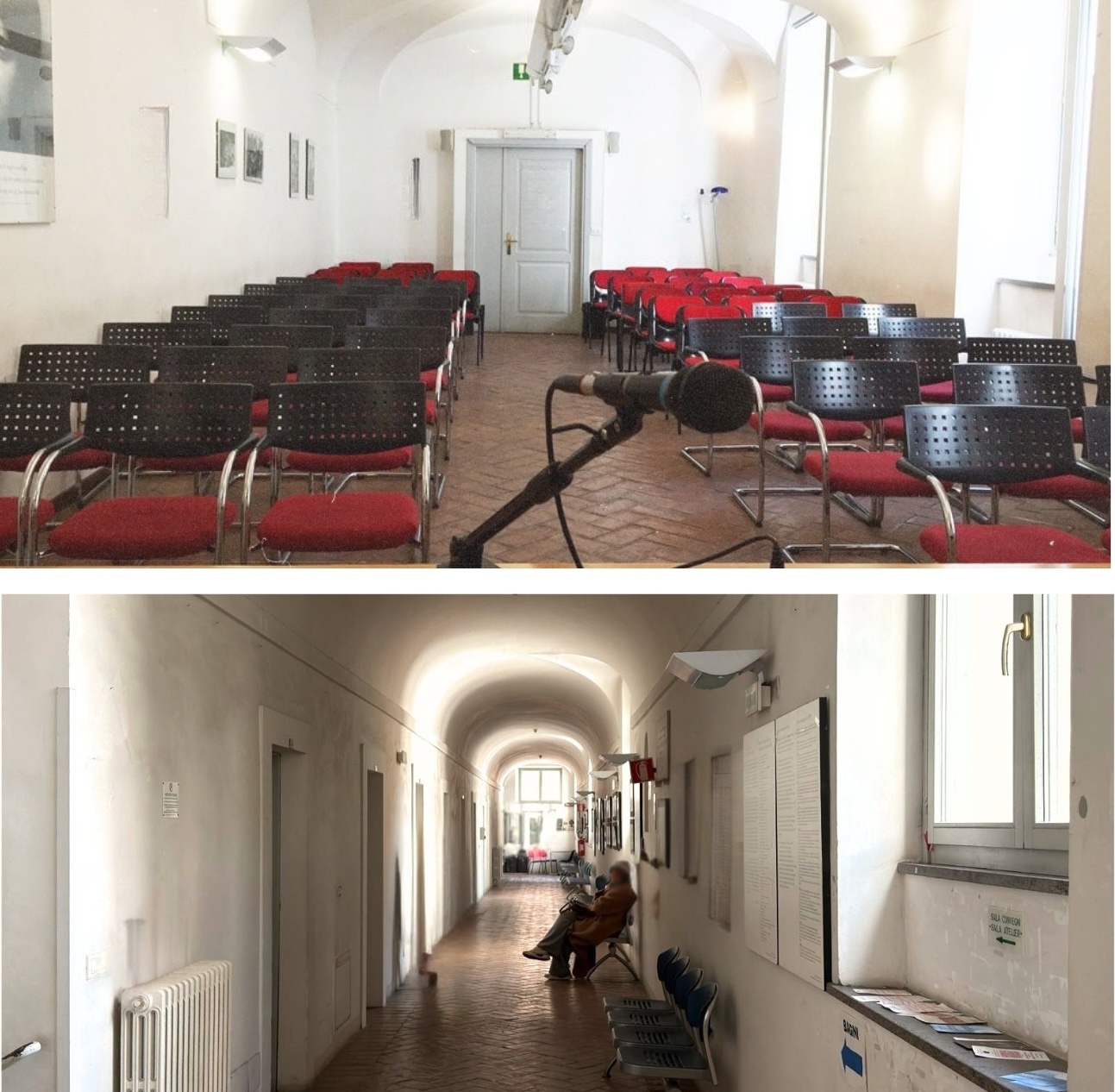
IL CONSULTORIO
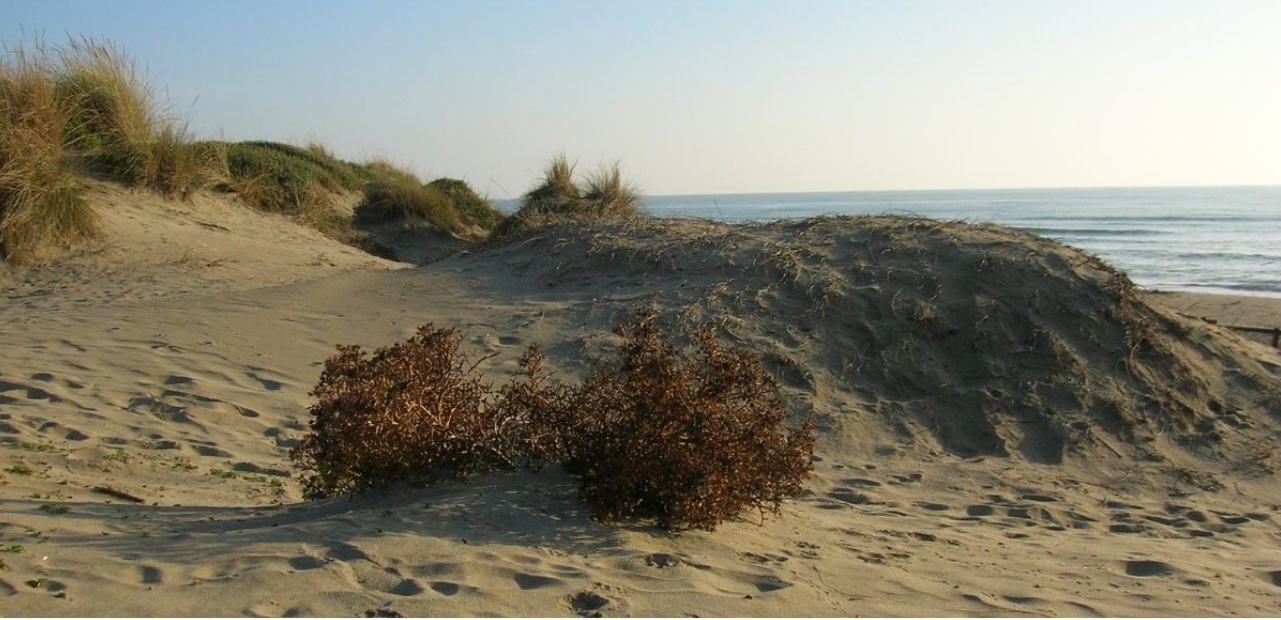
LA RISERVA NATURALE DI CAPOCOTTA
IL TRIBUNALE
*ENGLISH
SYNOPSIS
Little Amelia has two mums, Anna and Cécile, who have been together for 15 years. For the Italian state, however, only Cécile – the ‘biological’ parent, that is, the one who gave birth to her – is her mother. Anna, on the other hand, who wanted her, waited for her and raised her alongside Cécile, is nobody to her.
Anna and Cécile, like many other same-sex parents in Italy, will have to undergo intrusive interviews with a psychologist and a social worker, home visits and inspections, years of waiting for a ruling, and spend a great deal of money on lawyers and judges.
This is their story, told through some of the stages of the case before the Juvenile Court, as they seek recognition of what should be a right from the moment the child was born: to have two mums in law as well, just as she does in reality. But in Italy, those who are homosexual still have to ‘prove’ that they can be what they already are: simply, a parent.
ABOUT US
We are a film crew made up of cinema professionals who have decided to join forces for a project that has both artistic and social and political value, given the themes it addresses. The idea originated with the film’s director and writer, Francesca Giuffrida, but soon drew in the film’s leads, Rita Abela and Giorgia Spinelli, and the courageous production company GARGOYLE FILMS, with the support of associate producer INTERMEZZO FILM. Courageous because making a short film in Italy today means a lot of work and no financial reward; therefore, what drives us all is a great passion and a desire to tell this story.
We managed to shoot the film in early May 2026, and now we need your help to finish it! We filmed at the Ostia Family Planning Clinic, thanks to the cooperation of ASL Roma 3 and the International Women’s Centre in Rome.
The film has the official support of the Famiglie Arcobaleno association.
HOW THE PROJECT CAME ABOUT
We began writing this film over a year ago, working together: director Francesca Giuffrida alongside Angela Anzelmo, who will be the film’s editor. We began by interviewing around 20 rainbow families who told us about the special adoption process for their son or daughter – that is, the legal procedure invoking Article 44 of Law 184 of 1983, which allows for the adoption of a child by relatives or spouses of the parent. This law is not tailored to same-sex families, whom Italian law does not recognise, and so when applied in their context, it creates unpleasant and unfair circumstances. However, since recognition at birth is not permitted, it remains the only viable option.
In May 2025, something incredible happened, just like in the films: as we were finishing writing the short film, the Constitutional Court handed down a ruling that put an end, in part, to the injustice we were writing about. A lawyer, Vincenzo Miri, who for years has been fighting for rainbow families alongside the association Rete Lenford (LGBTI Rights Lawyers), won an appeal brought by two mothers before the Constitutional Court, changing history for all other lesbian mothers, because when the Constitutional Court issues a ruling that differs from current law, that ruling effectively amends the law itself: from that day onwards, the ‘intended’ mother can immediately register her child at the registry office, on an equal footing with her partner, the ‘biological’ mother. Mothers only, however. For fathers, unfortunately, nothing has changed.
The first mothers to have signed birth certificates in Rome following the ruling of May 2025
WHY TELL THIS STORY
As Alessia Crocini (President of Famiglie Arcobaleno) said, we went out and won this victory ourselves. It wasn’t the government that passed a law, recognising years of state discrimination against the children of same-sex couples. We literally rewrote history with this ruling. But this only applies to women, because fathers still have to go through the same ordeal: spending money, having their privacy invaded, spending months or years in limbo without any protection; indeed, since last year, they have even been liable to criminal prosecution for committing the universal offence of surrogacy abroad. A universal offence, on a par with torture, war crimes and genocide.
In short, we have won a battle, but we have not yet won the war.
Above all, with this film we wish to give a voice to all those families who, before the watershed moment of 22 May 2025, had to face this injustice for 20 years.
To those families we interviewed, who shared their stories with us, urging that they be told and made known to as many people as possible. A reality that is often unknown to most people and targeted by all those who dismiss same-sex parenting as ‘a whim’.
If women starting a family today no longer have to go through interviews with social workers and psychologists, home visits, legal fees, lawyers and judges, it is thanks to the struggles of those who have been through it and rolled up their sleeves, like the two mums at the heart of our film. Sometimes simply by existing and being visible, without hiding their family.
What we hope to achieve is to convey to those who watch the film the same emotions we felt when listening to their stories. Because to combat prejudice, we need to understand the stories and the emotions, and look beyond facile phrases and simplistic thinking.
And cinema has precisely this power: the power to convey emotions beyond words.
We hope that through public screenings and streaming, this film will reach many people, including those who think differently, and encourage them to reflect. Because that is the first step towards change.
WHY THE CROWDFUNDING
An important point to note: unlike feature-length films that we see at the cinema or on streaming platforms, in Italy the short film circuit does not generate revenue from the final product. Therefore, all the money we invest in the film will be used exclusively to reimburse the expenses of those who work on it, dedicating their time and expertise, and to cover rental costs and material requirements.
As it is not a profitable venture, it is consequently difficult to find anyone willing to invest money in it, with the exception of funding calls from certain film organisations, such as the one we managed to win: the NUOVO IMAIE grant. Thanks to this win, we have the initial funds to make the film, though this is only half the budget we need to see it through to completion! In the meantime, we need to start shooting in May, but we need another €20,000 to reach our target.
Although short films don’t generate a profit, the care and resources required to make them are proportionally the same, as is the money… and it’s a lot.
What will your contribution be used for?
Specifically, the money raised through crowdfunding will go towards paying for film equipment, set design materials, location hire, and post-production – that is, everything that happens after filming: sound and image editing, and the distribution of the film once it is finished.
A collective production!
By contributing to the film through crowdfunding, you too will become part of this adventure, and it will be as if you were creating a small part of the film yourselves. We like to think that the production of this story, which is about community, is being told through a collective production!
Other mothers recognise their children following the 2025 ruling
THE CAST
RITA ABELA- ANNA
As a child, the theatre was the place where she felt completely at ease, which is why she decided very early on what she wanted to do when she grew up. As well as working for several years as an actress and singer in the Classical Performances at the Greek Theatre in Syracuse, she gained further experience in Italian theatre under the direction of directors such as Fabio Grossi and Livia Gionfrida, and had the opportunity to perform alongside actors of the calibre of Leo Gullotta, Betti Pedrazzi and Filippo Luna, taking various shows on tour around Italy. In front of the camera, she has been directed by Pupi Avati, Davide Marengo and Giovanni La Parola (Il mio corpo vi seppellirà, winner of the 2021 Ortigia Film Festival). She also appears in Saverio Costanzo’s Finalmente l’alba and Pasquale Scimeca’s Giudice T. With the short film “Big” by Daniele Pini (2021, winner of Alice nella Città), in which she plays the lead role, she won Best Actress awards at numerous Italian festivals in 2022. She co-starred with Michela Giraud in “Flaminia”, directed by Giraud herself. Since March 2026, the film “Gli occhi degli altri” by Andrea De Sica has been in cinemas, in which she stars alongside Trinca, Timi and Ferzetti.
GIORGIA SPINELLI- CÈCILE
After graduating from the Centro Sperimentale di Cinematografia in Rome in 2018, she continued her studies at La Sapienza University of Rome, specialising in Performing Arts and Sciences. Giorgia has had the opportunity to work with renowned professionals such as Paolo Mazzarelli, Lino Musella, Filippo Timi and the Fort Apache theatre group led by Valentina Esposito. These encounters have allowed her to hone her skills and broaden her knowledge in the field of theatre. On the big screen, she has appeared in the films ‘Inchiostro contro Piombo’, directed by Piero Messina, Ciro D’Emilio and Stefano Lorenzi, for which the cast received the prestigious StarLight International Cinema Award at the Rome Film Festival in 2022, ‘Una notte da Dottore’ by Guido Chiesa, alongside Frank Matano and Diego Abatantuono, and in ‘Power of Rome’ by Giovanni Troilo. In the world of TV series, we saw her in ‘Lidia Poet’ by Matteo Rovere and Letizia Lamartire on Netflix and in one of the leading roles in ‘Suburra Eterna’, Netflix. She recently starred in Saverio Costanzo’s film “Finalmente l’alba”, alongside William Defoe, Lily James and Joe Keery, and in “Come gocce d’acqua”, directed by Stefano Chiantini and starring Edoardo Pesce. Giorgia will return this year in “Suburra Maxima” as her character Miriana Murtas and in two new theatre projects.
FABRIZIO FERRACANE- THE PSYCHOLOGIST
BETTI PEDRAZZI- THE JUDGE
ELENA FERRANTINI- THE SOCIAL WORKER
THE TROUPE
FRANCESCA GIUFFRIDA- DIRECTOR AND AUTHOR
Born and raised in Turin, after years of theatre work and acting studies, she graduated in 2019 with a degree in Film Directing from the Civica Scuola di Cinema Luchino Visconti in Milan, with the short film Mentre Dormi and a dissertation on ‘the power of the actor in film’.
She immediately moved to Rome to work in the film industry and began as a casting assistant to leading casting directors for productions such as Fandango, Cattleya, Cross Productions, Kino Produzioni, Lucky Red and others.
She is now working on her third project as a casting director, a role that allows her to remain in close contact with actors and acting – the very things that drew her to directing in the first place. At the same time, she continues to work on her own projects as a writer and director: in 2020 she wrote, directed and produced the short film Itaca, shot on an island in Sardinia, and in 2021 she made a short documentary for the Soroptimist Club on Liana Bortolon, a pioneer of journalism and art critic of the 1960s.
Her latest short film, La vita magra, starring Giorgia Spinelli, has won numerous awards, including the Nuovo Imaie for Best Actress for Spinelli, and the Rai Cinema Channel Award, thanks to which the short film is now available on Rai Play.
ILYA SAPEHA- CINEMATOGRAPHER
A graduate of the Centro Sperimentale di Cinematografia, he has worked as a cameraman on films such as Martin Eden, La Chimera, Nina dei lupi, Enea, Gloria!, Immaculate and Il mio posto è qui. As cinematographer, he has worked on the short films La santa che dorme and Majoneze, and the feature films Futura, Animali randagi and Agnus Dei, consistently winning numerous awards for his cinematography. The series Estranei is due for release soon.
ANGELA ANZELMO- EDITOR
30 years old, born and raised in the province of Salerno, she moved to Milan at the age of 19 to study film editing at the Visconti Film School in Milan. Immediately after graduating in 2017, she moved to Rome, where she began working as an assistant editor. In recent years, she has worked as an assistant editor on major projects, from Paolo Sorrentino’s The Hand of God to Luca Guadagnino’s films, alongside editor Marco Costa: Challengers, Queer, After the Hunt and Artificial. She has always collaborated as an editor with Francesca Giuffrida.
ELENA GUARDIANI- COSTUME DESIGNER
Elena Guardiani grew up in Pescara and graduated with a degree in Literature from the University of Bologna. After completing her undergraduate degree, she studied costume design at the Centro Sperimentale di Cinematografia in Rome. Since 2020, she has been working on theatre and film productions in various roles, whilst also devoting herself to developing her own personal projects and conducting in-depth research into the fields that interest her most, particularly the role of costume in cinematic storytelling and the ways in which clothing has always shaped the way we inhabit the world.
MYRYAM SANSONE- ART DIRECTOR
She graduated in Set Design from the Academy of Fine Arts in Rome in 2015 with a dissertation on the use of a former industrial building for Sarah Kane’s play Purified, in which he explored the connection between setting and narrative – a theme that would become a recurring thread throughout his career. Later she attended the Centro Sperimentale in Rome, art department, where she studied under the guidance of Francesco Frigeri. It was here that she began her journey in cinema, working alongside set designer Dimitri Capuani on Matteo Garrone’s ‘Pinocchio’, thus marking the start of her professional career. Over the years, Myriam has collaborated with highly experienced production designers such as Alessandro Vannucci, Roberto De Angelis and Fabrizio D'Apino, continually expanding her artistic repertoire. In 2023, she made her debut as a set decorator on Diciannove, a film by Giovanni Tortorici produced by Luca Guadagnino, marking a new phase in her professional career.
FLAVIO MORO- SOUND RECORDIST
He was born in Rome and has always been passionate about music and the world of sound in general. He began his career as an assistant in a music recording studio, but his interest soon turned to the world of film and audiovisual media, drawn by its ability to blend multiple art forms into a single expressive vision. In cinema, sound takes on a three-dimensional dimension, integrating deeply with the images and helping to define the narrative and emotional identity of a work. He began by working on the sets of national and international projects as a boom operator and sound engineer, but at the same time continued to study and develop his expertise in the world of audio post-production. In 2021, he co-founded Sound Hub, an audio post-production studio for film and television, where he specialises as a Sound Effects Editor and Sound Designer. In post-production, he has found the perfect synthesis between two complementary worlds: the art of live audio recording and sound and musical experimentation.
SIMONE USAI- SOUND DESIGNER
Simone Usai, a freelance sound engineer and sound designer for film, holds a diploma in Sound Engineering and Mixing from the Centro Sperimentale di Cinematografia. He has handled the mixing for numerous Italian and international projects, including films, series and documentaries. He has worked on the sound for ‘Mektoub, my love - canto due’, ‘M - il figlio del secolo’ and ‘Aichä’, amongst others. He collaborates with many leading studios in the post-production sector.
MARCO STEPHEN LABRUNA - FOLEY ARTIST
Born in the United States in 1989, he lives in Rome, where he works as a foley artist, specialising in creating cinema sound effects for over ten years. A graduate in Sound Design and a keen field recorder, he explores the material dimension of sound in audiovisual media, combining a technical approach with a narrative sensibility.
ENRICO ACCIANI - AIUTO REGIA
A director, screenwriter and musician from Bari. He made *Blasè*, his first short film, entirely in London in 2014; it was selected for the SFC section at the 2015 Cannes Film Festival. In 2020, he made his first feature film, Respirare Stanca, with the support of the Apulia Film Commission: the film was distributed by Draka Distribution and released on Amazon Prime Video in February 2022. In 2023, he co-wrote the film Stolen Moments with Stefano Landini, which had its international premiere at Bif&st in 2024. In July 2024, he wrote and directed Sette Settimane, presented at the Venice Film Festival, the first stop on a long festival tour. In December 2024, his first theatrical production, the comedy Imparami ad amare, premiered at the Cometa Off theatre in Testaccio. In 2025, after winning the Apulia Film Commission’s competition, he shoots the short film Splendor, which tells the story of a single-screen cinema closing down. Since 2015, he has been actively working in the directing department of various production companies such as IBC, Eagle Pictures, BibiFilm, Picomedia, Dinamo Film, Cattleya and many others on the production of TV series and films for Rai, Netflix and Prime.
EDUARDO FESTA- PRODUCER
Born in Bologna, he is the CEO of the production company Gargoyle Films, founded in Milan in 2022.
SIMONA VERDE- PRODUCTION COORDINATOR
she is a film producer and photographer. Having trained in Naples and Paris, she has carved out a career for herself at the intersection of cinema and photography. She works as an executive producer for the Milan-based independent production company Gargoyle Films and is a member of the GRIN association.
ODOARDO MAGGIONI- PRODUCTION MANAGER
Odoardo Maggioni (Milan, 1994) is a director and producer. A graduate of DAMS and CITEM in Bologna, he has a background in theatre. In the audiovisual sector, he works as an executive producer and production manager for films, adverts and international campaigns. In 2022, he founded Tutti Frutti ETS and directed Short Out Festival, an international short film festival. In 2026, he founded Macedonia Srl, a new business venture in the audiovisual and cultural sector.
LILIA KICJA -PRODUCTION ASSISTANT
Lilia Kicja grew up surrounded by cameras and film sets. Having graduated in photography from the IED in Milan, she has always had a deep passion for cinema. Today, she is taking her first steps into the world of film production, thrilled to finally be part of it.
BACKSTAGE PHOTOS FROM THE SET!
DIRECTOR'S NOTES
The direction of this film is conceived in complete harmony with its theme and the motivations that led to its conception and writing: intense, essential, and unadorned.
The director’s primary focus is on the acting. The importance I attach to acting and the direction of performers has been with me since my days as a student actress, since my final dissertation in directing entitled ‘The Power of the Actor’, in which I argued that if you have ‘only’ a good performer at your disposal, you have a film in your hands, but if you have only a great camera, you have nothing. And this continues to this day, as my main job alongside directing is working in the Casting process.
That’s how I met Rita Abela and Giorgia Spinelli, who will play Anna and Cécile in the film: at an audition. They stole the show when I was holding the camera as an assistant, and I took them to my heart, eventually making a short film with them, La vita magra, which brought us together.
My cinematic influences are, first and foremost, Ken Loach, Asghar Farhadi and Andrea Arnold.
Masters of a cinema that tackles ethical, political and social issues without fear of getting their hands dirty and to speak profound truths, steering clear of facile moralising, but above all without losing sight of the poetry and artistry of cinema.
The other masters who inspire me are directors who have made acting their primary focus: JohnCassavetes, Sam Mendes and, today, Sean Baker, Celine Song and Chloé Zaho.
What I have in mind is not an invisible directorial style at the service of acting, but rather a style that supports the story and the acting: one that prioritises the choice of shot, what and how to frame, the set design, and the rendering of an external truth of the context and an internal truth of the characters – a raw, ‘gritty’ cinematography, just like life.
To achieve this great artistic goal, however, my direction alone is not enough: cinema is a collective art, and so I am the director, yes, but of an orchestra of talents and professionals who bring their valuable contribution to a great shared vision.
MOODBOARD
LOCATIONS
THE FAMILY CLINIC
THE SEA
THE COURT
Gallery
Questo progetto ha segnalato obiettivi di sviluppo sostenibile
Gli obiettivi di sviluppo sostenibile (SDGs) costituiscono una serie di 17 obiettivi concordati dall'Organizzazione delle Nazioni Unite.
5. Uguaglianza di genere
Parità di genere: raggiungere la parità di genere attraverso l'emancipazione delle donne e delle ragazze.
16. Pace, giustizia e istituzioni forti
Pace e giustizia: promuovere lo sviluppo sostenibile.
Commenti (26)