Una campagna di Acusmatiq - Museo del Synth Marchigiano
ContattiRecupera la tua password
Inserisci il tuo indirizzo email: ti invieremo una nuova password, che potrai cambiare dopo il primo accesso.
Password inviata
Controlla la tua casella email: ti abbiamo inviato un messaggio con la tua nuova password.
Potrai modificarla una volta effettuato il login.
Electric Hills
- Raccolti € 9.141,00
- Obiettivo € 40.000,00
- Sostenitori 107
- Scadenza 38 giorni rimanenti
- Modalità Raccogli tutto Informazioni
Raccogli tutto
Il tuo contributo servirà a sostenere un progetto ambizioso. Scegli la ricompensa o la somma con cui vuoi sostenerlo e seleziona il metodo di pagamento che preferisci tra quelli disponibili. Ti ricordiamo che il progettista è il responsabile della campagna e dell'adempimento delle promesse fatte ai sostenitori; sarà sua premura informarti circa come verranno gestiti i fondi raccolti, anche se l'obiettivo non sarà stato completamente raggiunto. Le ricompense promesse sono comunque garantite dall’autore.
- Categoria Documentari & inchieste
Il Progetto
ELECTRIC HILLS
(English version below)
1. Apertura
Electric Hills è un documentario che racconta una storia sorprendente e quasi dimenticata: come una piccola regione italiana, le Marche, abbia contribuito a cambiare il linguaggio della musica contemporanea.
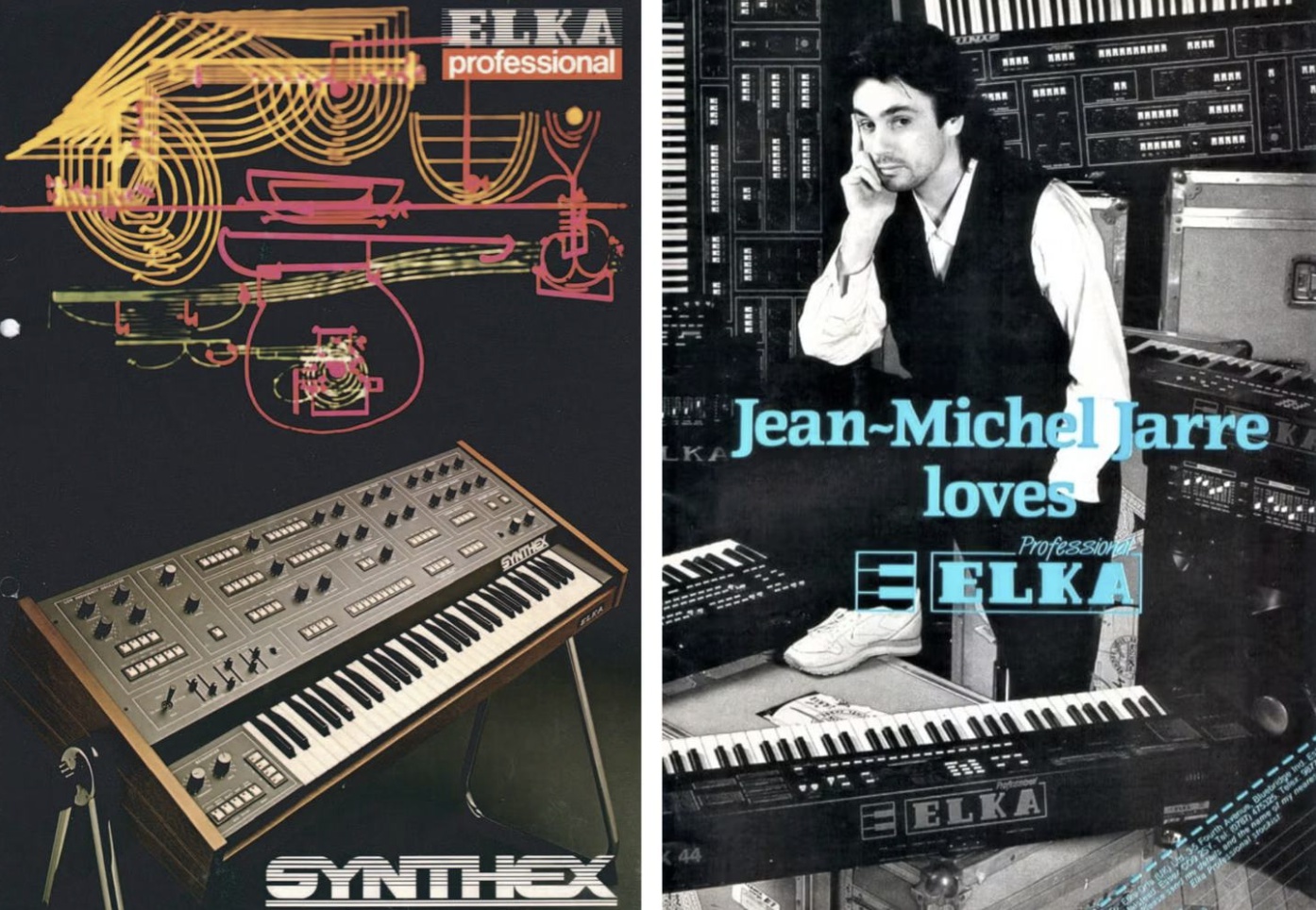
Lontano dalle capitali della cultura, tra colline, campagne e botteghe, la sapienza artigiana ha incontrato l'elettronica. Ne sono nati laboratori visionari, aziende e strumenti che hanno suonato sui palchi e negli studi di tutto il mondo: dai Pink Floyd a Jean-Michel Jarre, dai Kraftwerk ai Tangerine Dream fino ai compositori di Stranger Things.
Questa è la storia di un'Italia che ha silenziosamente costruito i suoni del futuro.
Il film è girato. Per finirlo manca l'ultimo passo, e vogliamo farlo con voi.
2. Cosa racconta il film
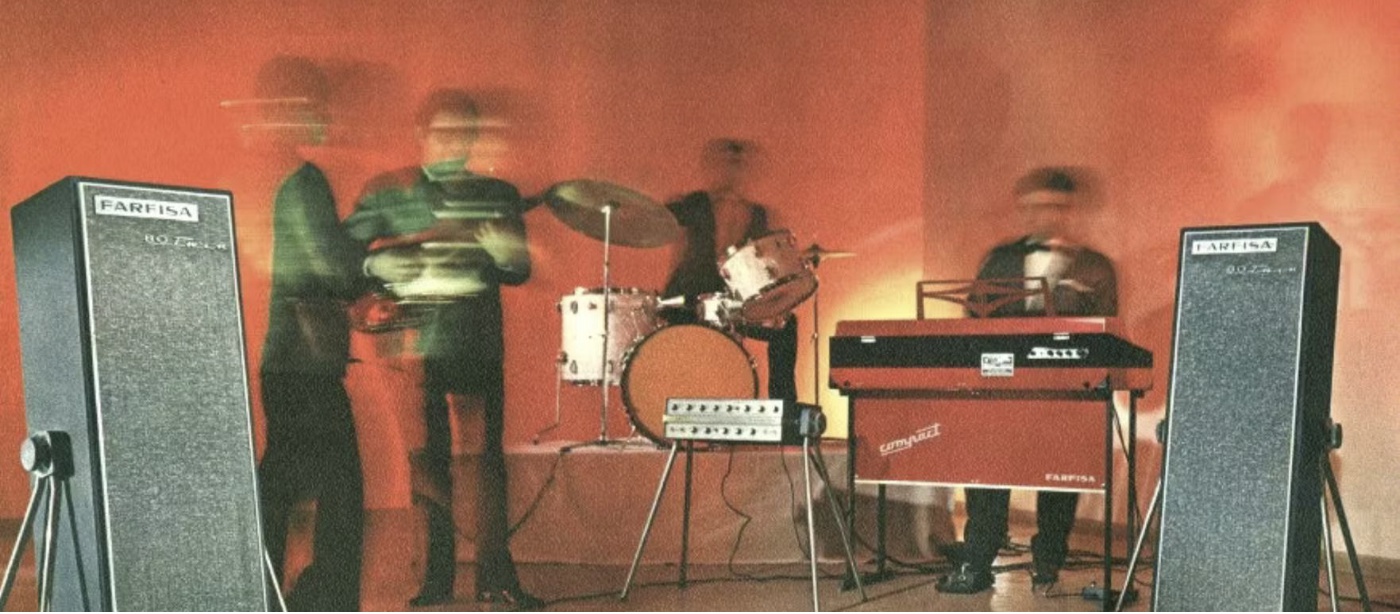
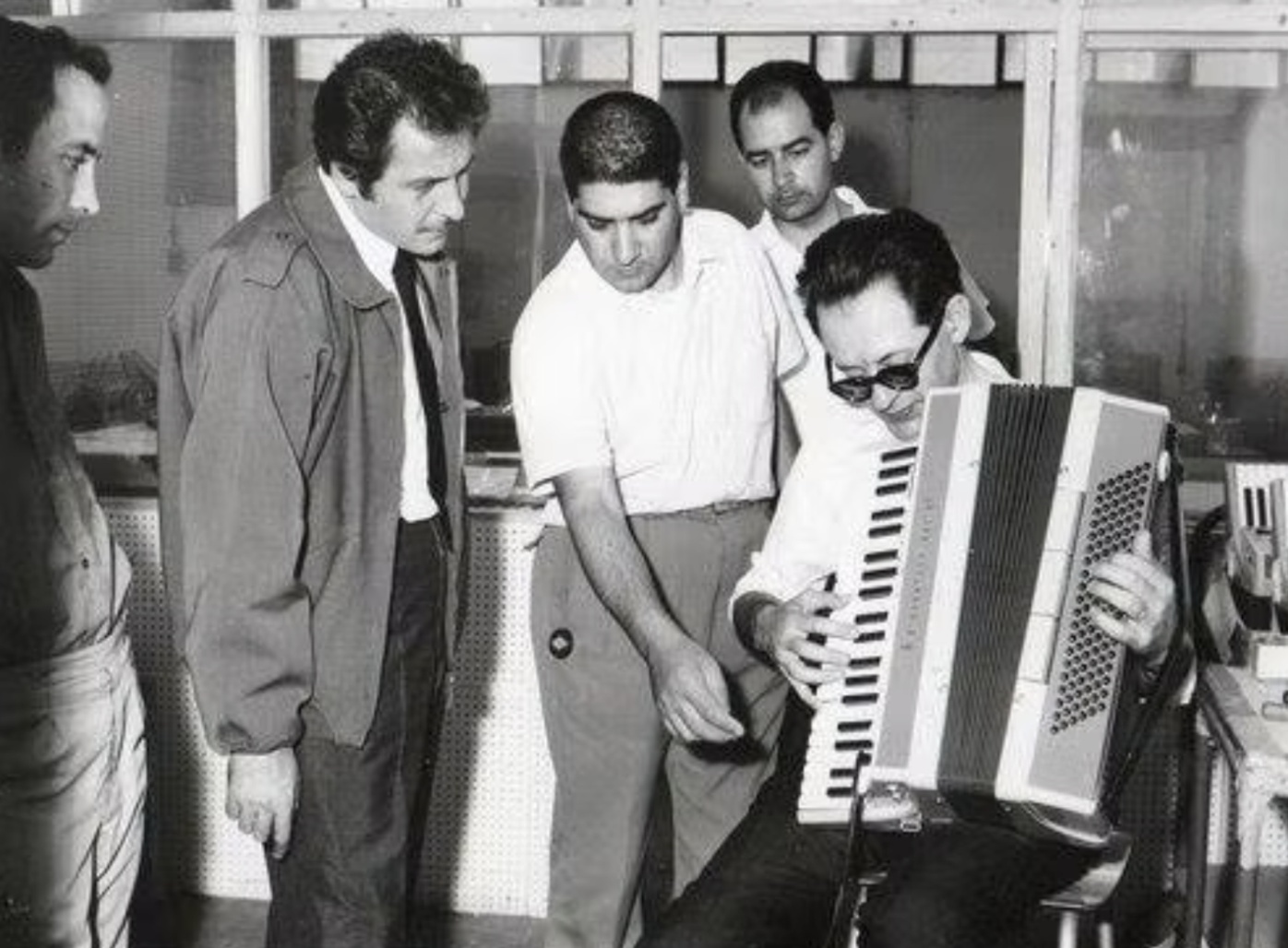
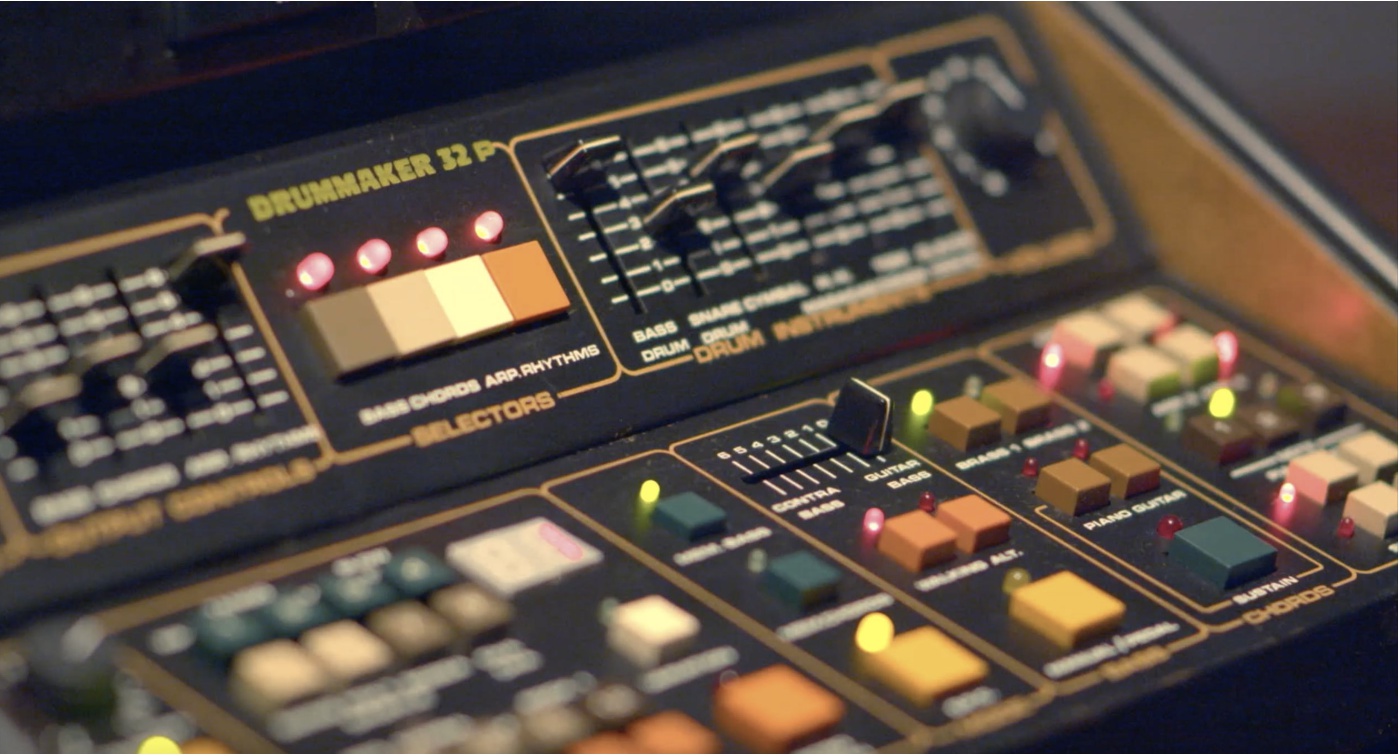
Dalle fisarmoniche di Castelfidardo agli organi elettrici degli anni Sessanta, dai primi sintetizzatori italiani alle drum machine che hanno anticipato il Giappone: le Marche sono state un'avanguardia tecnologica inaspettata, dove artigiani, tecnici, musicisti e inventori hanno immaginato e costruito suoni mai sentiti prima.
Electric Hills racconta per la prima volta l'epopea di questo distretto: un'industria che, mentre le regole della musica e della società cambiavano, si è reinventata e ha creato qualcosa di inatteso. Interviste inedite, materiali d'archivio, strumenti dimenticati e le voci dei musicisti che con quegli strumenti hanno fatto la storia ricostruiscono l'eredità di un'Italia che ha influenzato la musica di tutto il mondo. È una storia di visione, coraggio e immaginazione viva ancora oggi nel distretto musicale attuale, che tra nuove tecnologie e creatività continua a produrre ed innovare ispirato da una tradizione così importante.
3. Un ultimo passo insieme
Grazie al sostegno già ricevuto abbiamo coperto lo sviluppo, la pre-produzione e le riprese.
Abbiamo raccolto testimonianze, immagini e suoni che raccontano un'eccellenza italiana ancora troppo poco conosciuta.
Ora manca la post-produzione: la fase in cui tutto questo materiale diventa un film, pronto per i festival e la distribuzione.
Per completarla servono 40.000 euro, così ripartiti:
- Montaggio — 10.000 €
- Diritti sulle immagini e i materiali d'archivio — 10.000 €
- Colonna sonora originale e diritti musicali — 6.000 €
- Sound design e mix — 5.000 €
- Color grading, master, sottotitoli e versioni per i festival — 5.000 €
- Ricompense, spedizioni e commissioni della piattaforma — 4.000 €
La campagna è in modalità "raccogli tutto": ogni contributo va direttamente alla post-produzione. Se non raggiungeremo l'intera cifra il film si farà lo stesso, forse con tempi più lunghi e meno materiali d'archivio, che sono preziosi ma molto costosi.
I fondi sono raccolti dal Museo del Synth Marchigiano, promotore della campagna, e destinati alla produzione del film, realizzata da The Blink Fish.
Sostenere Electric Hills non è solo un contributo economico: è una scelta culturale. Significa credere in una storia di innovazione, talento e visione e permettere che venga finalmente riconosciuta.
Siamo vicini al traguardo. Con voi possiamo raggiungerlo.
4. Chi c'è nel film
Nel film, tra gli altri:
- Jean-Michel Jarre — pioniere della musica elettronica mondiale
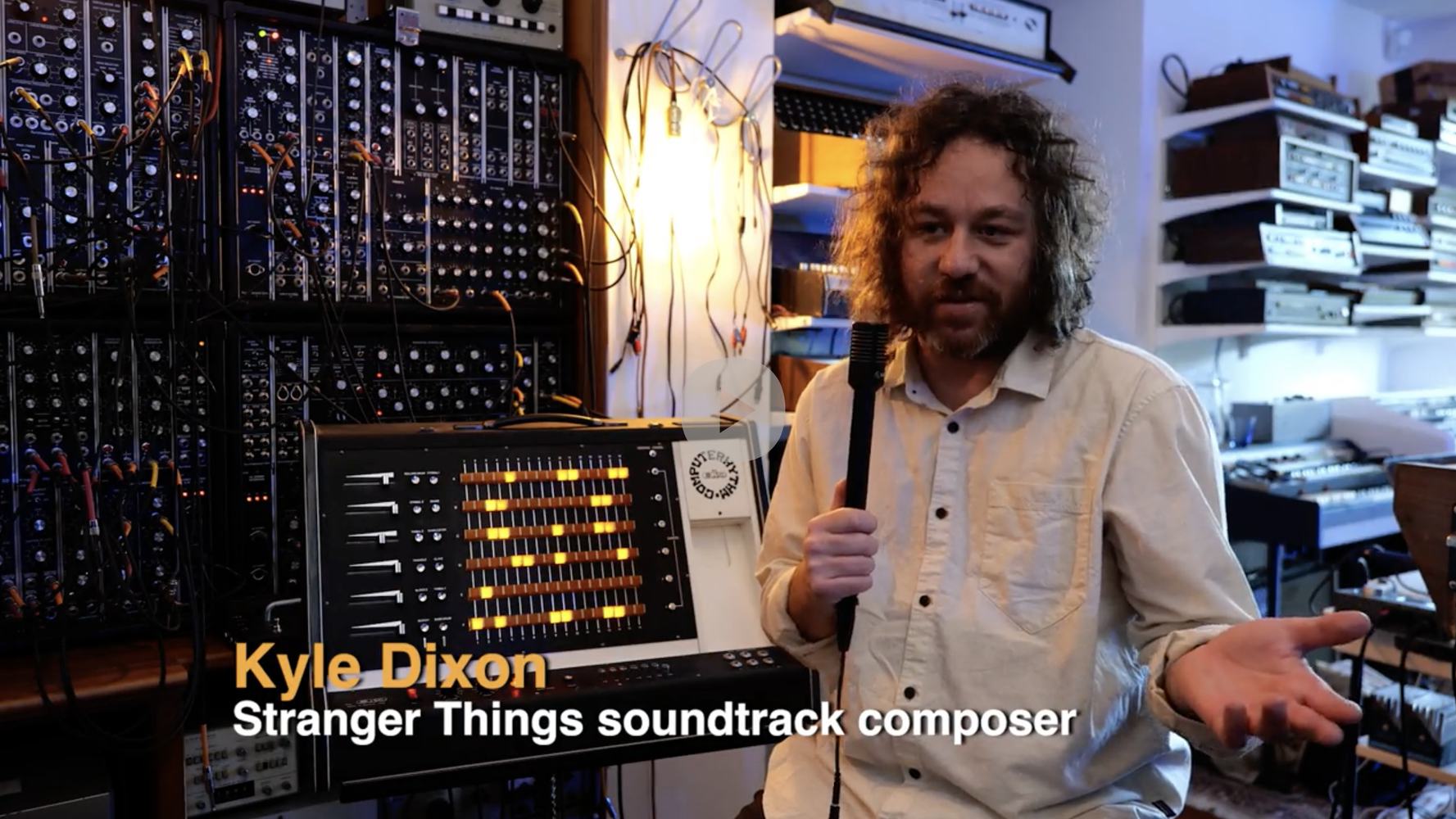
- Kyle Dixon e Michael Stein — autori della colonna sonora di Stranger Things
- Boosta — Subsonica
- Claudio Simonetti — Goblin
- Tommaso Colliva, Massimo Martellotta, Enrico Gabrielli — Calibro 35
- Sam Battle — Look Mum No Computer
- Martin Schmidt e Andrew Daniel — Matmos
- Fabrice Quagliotti — Rockets
insieme a inventori, progettisti, tecnici e testimoni diretti, italiani e internazionali, che hanno vissuto o sono stati influenzati da questa rivoluzione sonora.
Dixon, Stein e Boosta hanno visitato il Museo del Synth Marchigiano, dove hanno suonato e registrato con gli strumenti della collezione. Come loro, negli anni, sono arrivati sulle colline marchigiane molti protagonisti della scena elettronica contemporanea e sperimentale. Non visite di cortesia, ma sessioni di studio, confronto e creazione, in cui strumenti nati tra le colline tornano a suonare nelle mani di chi continua a ridefinire il linguaggio musicale.
5. Le origini: il Museo del Synth Marchigiano
Electric Hills nasce da un luogo reale, prima ancora che da un'idea cinematografica: il Museo del Synth Marchigiano.
Il Museo prende forma dalla passione di un gruppo di amici, musicisti e collezionisti che negli anni hanno ritrovato, salvato, riparato e fatto rivivere strumenti elettronici rarissimi, nati nelle Marche: sintetizzatori, organi e drum machine che hanno attraversato decenni di musica pop, rock ed elettronica, sui palchi e negli studi di artisti internazionali.
Il Museo nasce per colmare quella che i suoi fondatori chiamano "una grande assenza rispetto a una grande presenza": da un lato la mancanza di memoria su un capitolo fondamentale dell'industria culturale marchigiana; dall'altro la continua riapparizione, spesso inaspettata, di strumenti italiani in dischi, video e fotografie dei protagonisti della musica mondiale.
Nel tempo la collezione ha attirato musicisti, compositori e ricercatori da tutto il mondo, e da questi incontri è nata l'esigenza di raccontare questa storia in modo organico e condivisibile. Electric Hills è il naturale proseguimento di quel lavoro.
6. Cosa rende speciale questo progetto
Provincia come avanguardia
Il film ribalta la narrazione centro/periferia: qui la provincia non è ritardo, è visione. Tra campi di grano e officine familiari nasce una Silicon Valley musicale ante litteram. È un racconto che non appartiene solo alle Marche, ma a chiunque abbia ascoltato musica elettronica, pop e rock negli ultimi sessant'anni.
Un linguaggio visivo contemporaneo
Paesaggi rurali e immaginario futuristico, riprese evocative, materiali d'archivio e interviste, con un montaggio ispirato al videoclip e alla cultura pop di oggi. Un'estetica che parla agli appassionati di musica e a un pubblico giovane e internazionale.
Non nostalgia, ma futuro
Electric Hills non guarda al passato con rimpianto: racconta un'eredità viva, che continua a influenzare la musica, il design e la tecnologia di oggi.
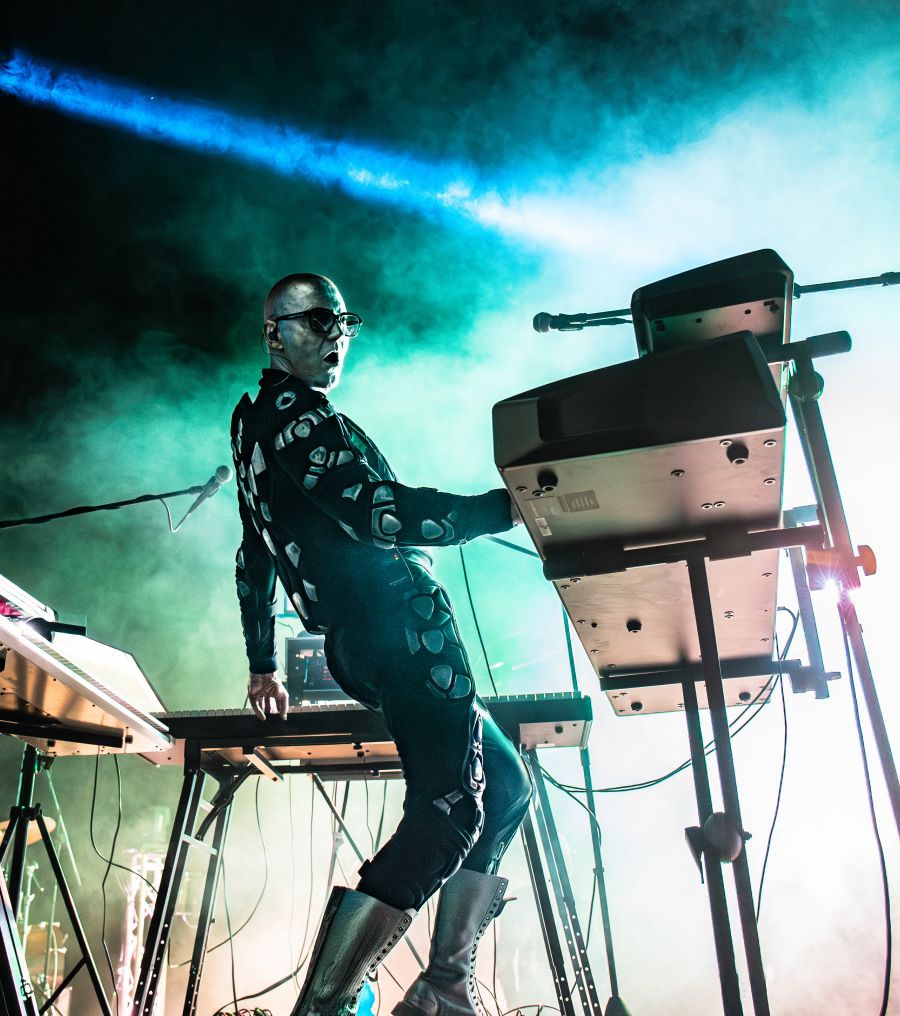
*Fabrice Quagliotti, tastierista e leader dei Rockets.
7. Chi siamo
La campagna è promossa dal Museo del Synth Marchigiano.
Il film è prodotto da The Blink Fish, casa di produzione indipendente con una forte attenzione all'impatto visivo e narrativo.
La scrittura è di Paolo Bragaglia, compositore e performer con la collaborazione di Leonardo Gabrielli, docente e progettista e di tutto lo staff del Museo del Synth Marchigiano, che da anni lavora alla riscoperta di questo patrimonio.
La regia è di Marco Bragaglia, regista e artista visivo con oltre trent'anni di esperienza tra cinema e arti visive, da sempre interessato ai luoghi in cui memoria e immaginazione si incontrano.
E molti altri collaboratori che hanno reso possibile il film.
8. Chiusura
Entrate a far parte di Electric Hills: scegliete la ricompensa che preferite tra quelle in pagina, condividete la campagna con chi ama la musica. Ogni condivisione conta quanto un contributo.
Basta un minuto, con carta, PayPal o bonifico.
Grazie!
Note Tecniche
*i reward verranno attribuiti a fine campagna, e le spese di trasferta vitto e alloggio collegate agli inviti per le proiezioni e le visite saranno a carico dei sostenitori
*Il conto PayPal dell’associazione è stato attivato per motivi amministrativi a nome della nostra segretaria, Federica Curzi. Pertanto, durante la transazione o sulla ricevuta di pagamento, il suo nominativo potrebbe apparire come referente o intestatario del conto, fermo restando che i fondi saranno interamente e direttamente accreditati all'associazione.
ELECTRIC HILLS
1. Opening
Electric Hills is a documentary that tells a surprising and almost forgotten story: how a small Italian region, Marche, helped change the language of contemporary music.
Far from the cultural capitals, among hills, countryside and workshops, artisan craftsmanship met electronics. The result was visionary laboratories, companies and instruments that have played on stages and in studios all over the world: from Pink Floyd to Jean-Michel Jarre, from Kraftwerk to Tangerine Dream, all the way to the composers of Stranger Things.
This is the story of an Italy that quietly built the sounds of the future.
The film has been shot. One last step remains to finish it, and we want to take it with you.
2. What the film is about
From the accordions of Castelfidardo to the electric organs of the 1960s, from the first Italian synthesizers to the drum machines that anticipated Japan: The Marche region was an unexpected technological avant-garde, where craftsmen, technicians, musicians and inventors imagined and built sounds never heard before.
Electric Hills tells the epic of this district for the first time: an industry that reinvented itself as the rules of music and society changed and created something unexpected. Previously unseen interviews, archive materials, forgotten instruments and the voices of the musicians who made history with those instruments reconstruct the legacy of an Italy that has influenced music all over the world. It is a story of vision, courage and imagination, still alive today in the current musical district, which, amid new technologies and creativity, continues to produce and innovate, inspired by such an important tradition.
3. One last step together
Thanks to the support we have already received, we have covered development, pre-production and filming. We have gathered testimonies, images and sounds that tell the story of an Italian excellence that is still far too little known.
What remains is post-production: the phase in which all this material becomes a film, ready for festivals and distribution.
Completing it requires €40,000, broken down as follows:
- Editing: €10,000
- Rights to images and archive materials: €10,000
- Original soundtrack and music rights: €6,000
- Sound design and mix: €5,000
- Color grading, master, subtitles and festival versions: €5,000
- Rewards, shipping and platform fees: €4,000
The campaign runs in "keep what you raise" mode: every contribution goes directly to post-production. If we don't reach the full amount, the film will still be made, perhaps with a longer timeline and less archive material, which is precious but very expensive.
The funds are collected by the Museo del Synth Marchigiano, the campaign promoter, and are intended for the production of the film, carried out by The Blink Fish.
Supporting Electric Hills is not just a financial contribution: it is a cultural choice. It means believing in a story of innovation, talent and vision, and allowing it to finally be recognized.
We are close to the finish line. With you, we can reach it.
4. Who is in the film
In the film, among others:
- Jean-Michel Jarre: pioneer of world electronic music
- Kyle Dixon and Michael Stein: composers of the Stranger Things soundtrack
- Boosta: Subsonica
- Claudio Simonetti: Goblin
- Tommaso Colliva, Massimo Martellotta, Enrico Gabrielli: Calibro 35
- Sam Battle: Look Mum No Computer
- Martin Schmidt and Andrew Daniel: Matmos
- Fabrice Quagliotti: Rockets
together with inventors, designers, technicians and firsthand witnesses, Italian and international, who lived through or were influenced by this sonic revolution.
Dixon, Stein and Boosta visited the Museo del Synth Marchigiano, where they played and recorded with the instruments in the collection. Like them, many figures from the contemporary and experimental electronic scene have made their way to the Marche hills over the years. These were not courtesy visits, but sessions of studio work, exchange and creation, in which instruments born among these hills play again in the hands of those who continue to redefine the language of music.
5. The origins: the Museo del Synth Marchigiano
Electric Hills was born from a real place, before it was a cinematic idea: the Museo del Synth Marchigiano.
The Museum grew out of the passion of a group of friends, musicians and collectors who, over the years, have found, saved, repaired and brought back to life extremely rare electronic instruments made in Marche: synthesizers, organs and drum machines that have run through decades of pop, rock and electronic music, on stages and in the studios of international artists.
The Museum was created to fill what its founders call "a great absence set against a great presence": on one side, the lack of memory of a fundamental chapter of the cultural industry of Le Marche; on the other, the continual, often unexpected reappearance of Italian instruments in records, videos and photographs of the world's music figures.
Over time, the collection has attracted musicians, composers and researchers from all over the world, and from these encounters came the need to tell this story in an organic, shareable way. Electric Hills is the natural continuation of that work.
6. What makes this project special
The provinces as avant-garde
The film overturns the centre/periphery narrative: here the provinces are not backwardness, they are vision. Among wheat fields and family workshops, a musical Silicon Valley avant la lettre was born. It is a story that doesn't belong only to Marche, but to anyone who has listened to electronic, pop and rock music in the last sixty years.
A contemporary visual language
Rural landscapes and futuristic imagery, evocative shots, archive materials and interviews, with an edit inspired by music videos and today's pop culture. An aesthetic that speaks to music lovers and to a young, international audience.
Not nostalgia, but the future
Electric Hills does not look at the past with regret: it tells of a living legacy that continues to influence music, design and technology today.
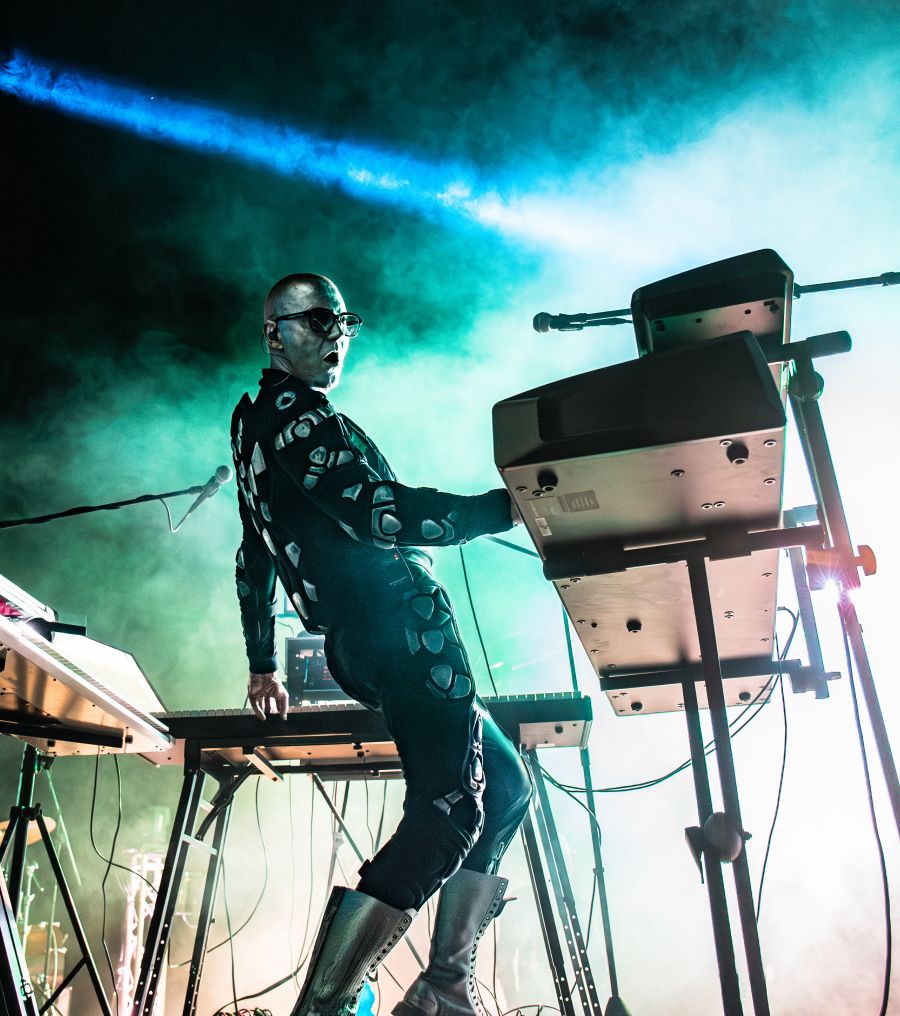
Fabrice Quagliotti, keyboardist and leader of the French space-rock band Rockets
7. Who we are
The campaign is promoted by the Museo del Synth Marchigiano.
The film is produced by The Blink Fish, an independent production company with a strong focus on visual and narrative impact.
The writing is by Paolo Bragaglia, composer and performer, with the collaboration of Leonardo Gabrielli, lecturer and designer, and the whole staff of the Museo del Synth Marchigiano, who have been working for years on the rediscovery of this heritage.
The direction is by Marco Bragaglia, director and visual artist with over thirty years of experience in cinema and visual arts, always drawn to places where memory and imagination meet.
And many other collaborators who made the film possible.
8. Closing
Become part of Electric Hills: choose the reward you like best among those on the page and share the campaign with anyone who loves music. Every share counts as much as a contribution.
It takes just a minute, by card, PayPal or bank transfer.
Thank you!
Technical Notes
*Rewards will be distributed at the end of the campaign, and travel, food, and lodging expenses related to invitations for screenings and visits will be borne by the backers
*The association’s PayPal account was activated for administrative reasons under the name of our secretary, Federica Curzi. Therefore, her name may appear as the account holder or contact person during the transaction or on the payment receipt; it remains understood that all funds will be fully and directly credited to the association.
Commenti (31)